
Last updated November 4, 2026
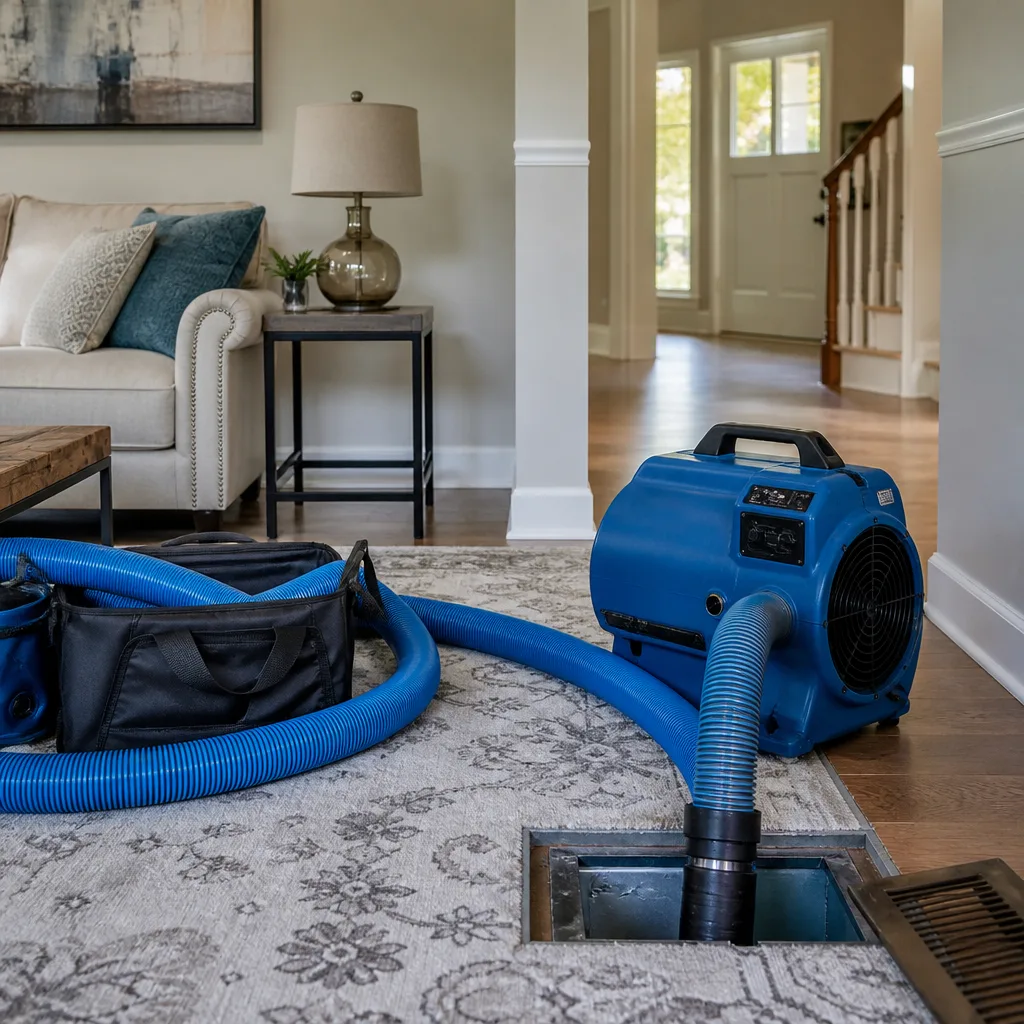 Whole-home duct cleaning
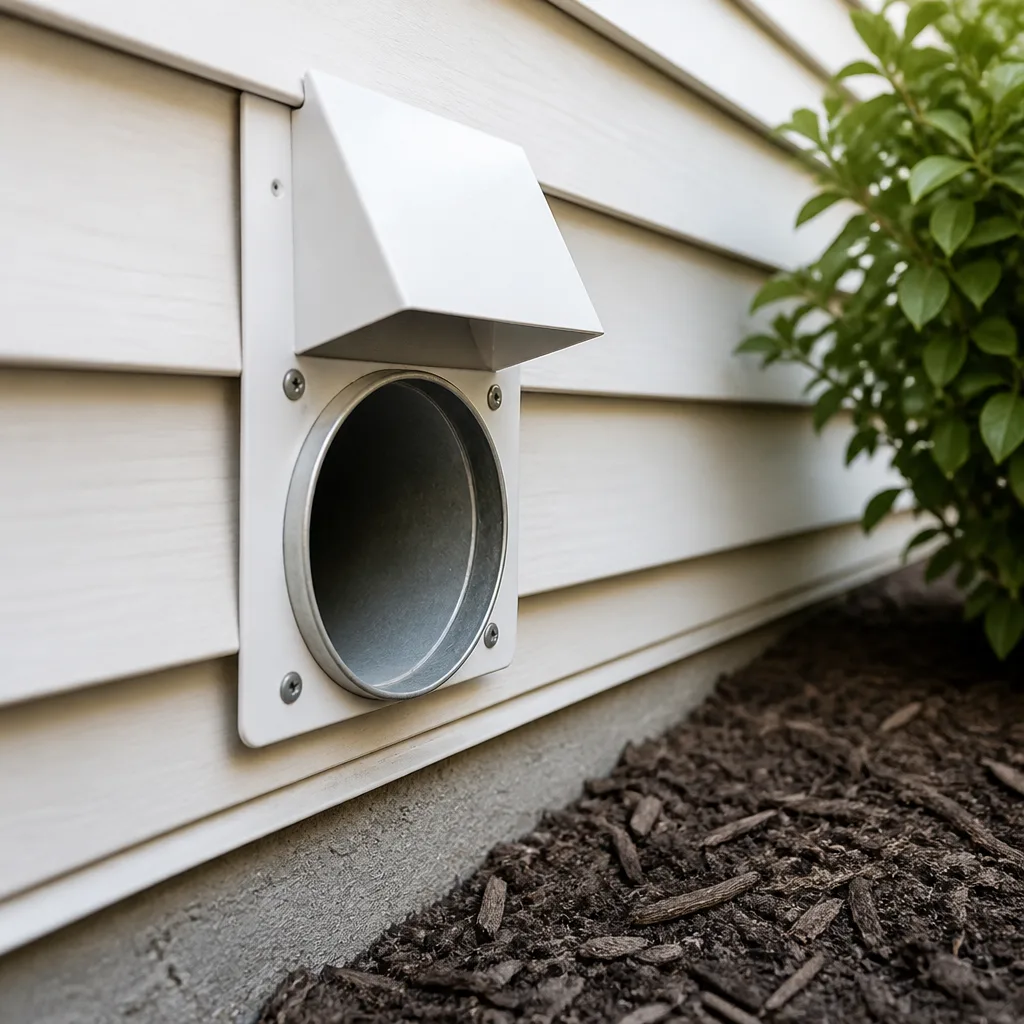 Dryer vent cleaning
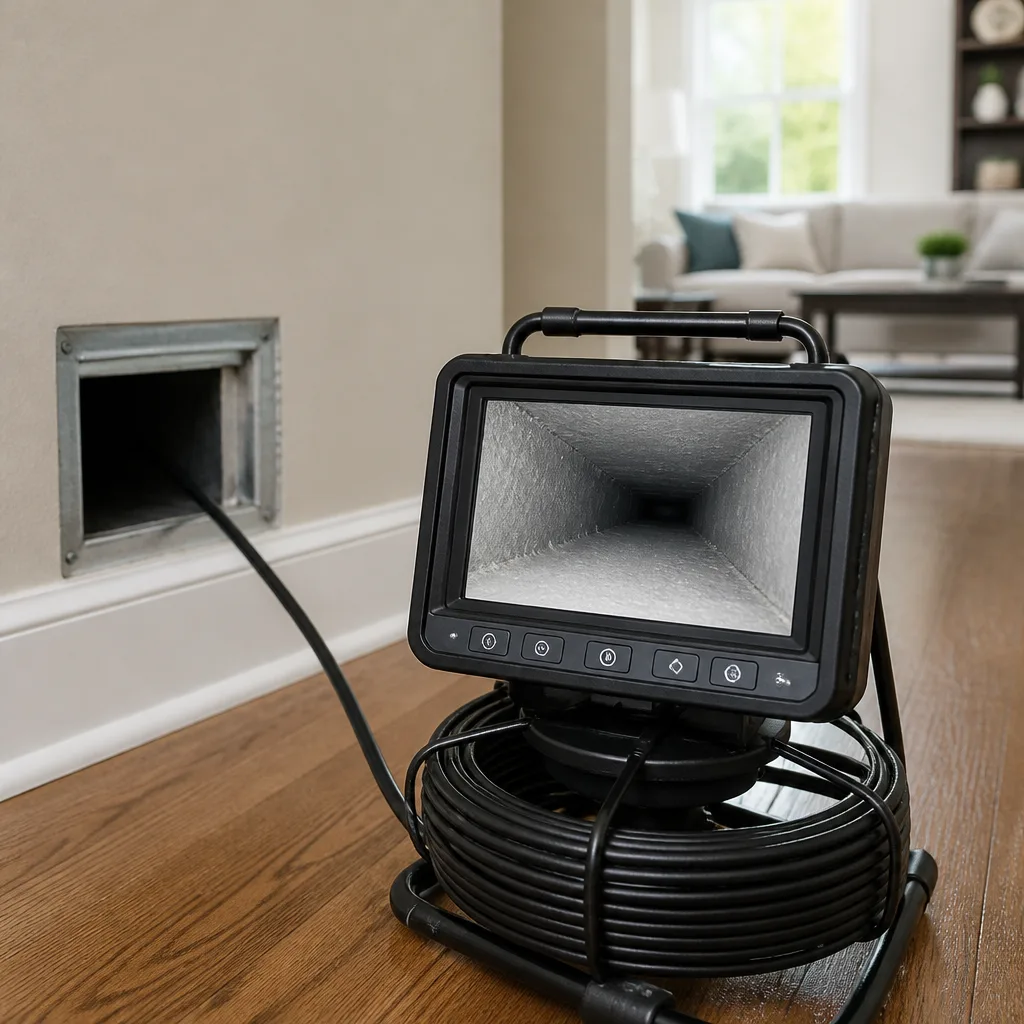 Camera inspection
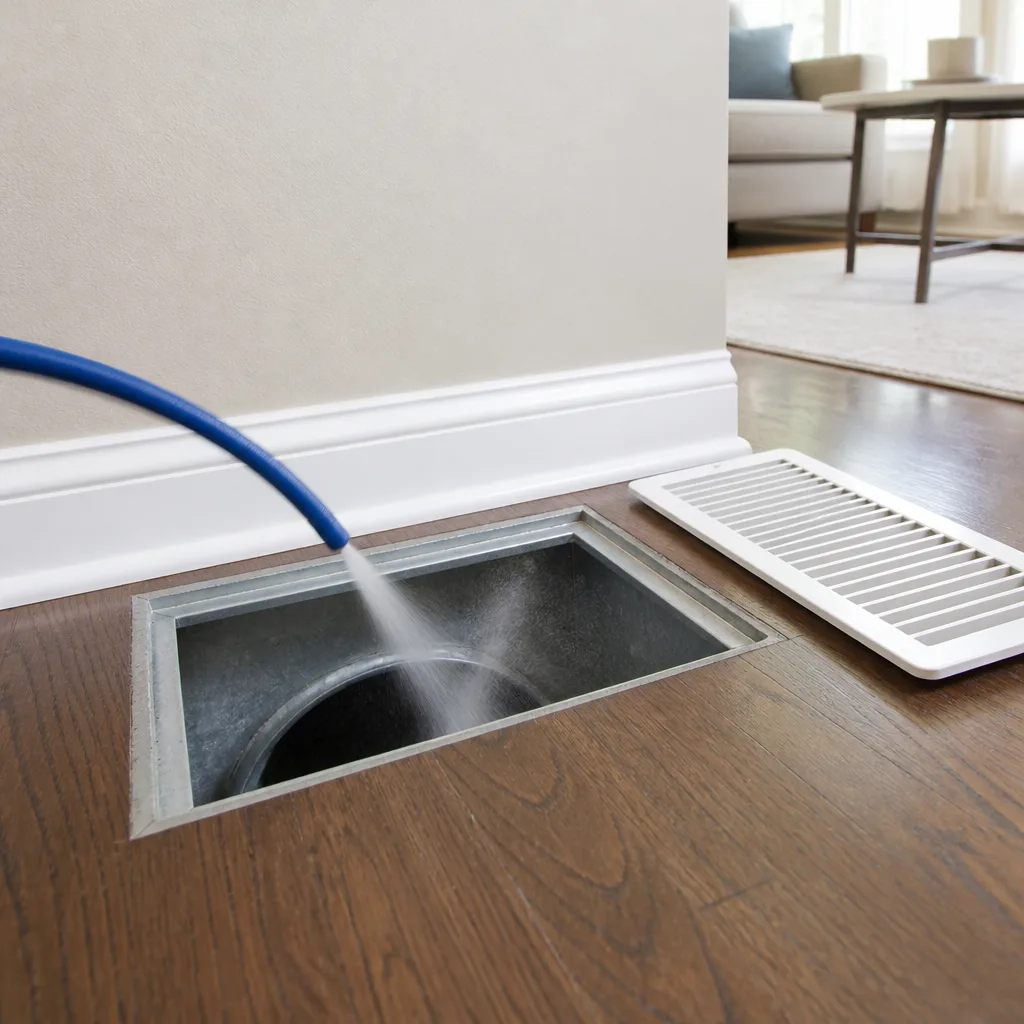 Sanitizing & deodorizing
Whole-system duct and dryer vent check with before-and-after photos - you see exactly what came out of your vents
That "$99 whole-house special" is a bait ad - the real number appears once they are in your hallway, or the "clean" is a shop-vac at the register. We photograph the inside of your ducts before and after instead.
Air Duct Cleaning Permits, Codes & Inspections in North San Jose, CA: What You Need to Know
Most homeowners in North San Jose assume that because air duct cleaning doesn’t require a permit, everything connected to it is equally unregulated. That assumption has cost people real money. A cleaning company that cuts into your ductwork to add an access panel, seals disconnected joints, or applies an antimicrobial coating has crossed from routine maintenance into regulated work. And most homeowners don’t know it until a home inspector flags it during escrow. This guide explains exactly where the line sits under California mechanical code, what Santa Clara County and San Jose actually enforce, and the paperwork you should keep if anyone does more than clean your ducts.
Styles & brands we work with
- Whole-home duct cleaning
- Dryer vent cleaning
- Camera inspection
- Sanitizing & deodorizing
Quick Answer
Air duct cleaning itself does not require a permit anywhere in North San Jose or Santa Clara County, because California classifies it as maintenance, not construction. However, duct repair, modification, replacement, or the application of EPA-registered antimicrobial coatings can trigger permit requirements under the California Mechanical Code. The safest approach: ask any contractor to state in writing whether their scope is maintenance or alteration before work begins.
Table of Contents
- The Legal Line: Cleaning vs. Alteration Under California Code
- When a Permit Is Actually Required in North San Jose
- Antimicrobial Coatings and Encapsulation: The EPA Angle
- Condos, Townhomes, and HOA Jurisdiction in North San Jose
- What Unpermitted Duct Work Means When You Sell
- The Documentation You Should Request and Keep
- What a Duct Inspection Actually Involves
- Common Mistakes to Avoid
- When to Call a Professional
- Frequently Asked Questions
- The Bottom Line
The Legal Line: Cleaning vs. Alteration Under California Code
The California Mechanical Code draws a distinction that matters more than most people realize. Cleaning and maintenance work, meaning the removal of accumulated dust, debris, and microbial growth from the interior surfaces of existing ductwork, falls outside the permit requirement. You can clean ducts all day in North San Jose without pulling a permit, and that’s how it should be. It’s a service, not a construction project.
Alteration is different. The code treats any change to the physical configuration of a duct system as regulated work. Cutting a new access panel into a trunk line is an alteration. Replacing a section of damaged flex duct is an alteration. Adding a return air drop to improve airflow in a North San Jose master bedroom is an alteration. Once you modify the system rather than maintain it, the code’s permit triggers activate.
Repair occupies a middle ground that confuses even some contractors. Minor repairs, like sealing a small leak with mastic or reattaching a loose register boot, typically do not require a permit. But larger repairs that involve replacing substantial sections of duct, relocating runs, or changing the system’s design do. The practical test most San Jose building officials apply: does the work change what the system is, or does it restore what it already was?
In our experience, this is where reputable companies separate themselves. At Elmwood Air Duct Cleaning, the first question we ask when we find damaged ductwork during a cleaning is whether repairing it crosses the permit threshold. When it does, we say so plainly. A company that tells you permits are never needed for anything duct-related is either inexperienced or avoiding the cost of compliance, and neither is a position you want working inside your home’s air distribution system.
When a Permit Is Actually Required in North San Jose
Let’s be specific, because general answers don’t help when you’re standing in front of a contractor who’s telling you a permit “probably isn’t needed.” Here are the scenarios in North San Jose where a permit is generally required for duct work:
- Duct replacement: Replacing an entire duct run, whether rigid sheet metal or flex, is an alteration. The City of San Jose building department treats this as mechanical work subject to permit and inspection.
- System redesign: Adding new supply or return runs, resizing existing ducts, or relocating registers to serve a remodeled room changes the system’s design. Permits are required.
- New access panels cut into existing ductwork: While access panels are often necessary for thorough cleaning and inspection, cutting one into a trunk line is a physical modification. Some contractors proceed without a permit, but a strict reading of the code says it’s regulated work.
- Duct sealing projects that involve replacing flex: Reconnecting a separated flex run is a repair. Replacing a crushed or torn section of flex is closer to replacement. If the work involves new materials rather than reattaching what’s there, assume a permit may apply.
- Any work touching the furnace or air handler cabinet: Anything that modifies the connection between the duct system and the mechanical equipment, such as adding a filter housing or changing the plenum, typically falls under mechanical permit requirements.
North San Jose is mostly newer construction compared to older parts of San Jose, which means a lot of the duct systems here were installed under active permits within the last 20 to 30 years. That’s good news for homeowners, because the original permit records are often available through the City of San Jose’s online permit portal. If you’re unsure whether work on your home crosses the line, the building department can tell you based on your address and the scope of work described.
A note on Santa Clara County jurisdiction: most of North San Jose falls under the City of San Jose’s building department, not the county’s. That matters because they’re different agencies with different processes. If you live in an unincorporated pocket, which is rare but not unheard of in this part of the county, you’d go through Santa Clara County instead. Your contractor should know which jurisdiction applies before work starts.
Antimicrobial Coatings and Encapsulation: The EPA Angle
Here’s where North San Jose homeowners get caught off guard more than anywhere else. Your ducts get cleaned. The technician finds evidence of past microbial growth, which is not uncommon in a climate like ours where ducts run through unconditioned attics that get warm and can hold moisture. The technician offers an antimicrobial treatment. Sounds responsible, right?
Not necessarily. Under federal law, any product applied to the interior of ductwork for the purpose of killing or inhibiting mold, bacteria, or other microorganisms must be registered with the U.S. Environmental Protection Agency specifically for that use. Not every EPA-registered antimicrobial is approved for HVAC system interiors. Applying a product that is registered for hard surfaces, like bathroom tile, to the inside of your ducts is a pesticide misuse violation under the Federal Insecticide, Fungicide, and Rodenticide Act.
Even when a properly registered product is used, California adds its own layer. The state’s Department of Pesticide Regulation requires that the company applying the product hold an appropriate license category. Ask for the product’s EPA registration number and the company’s California license status before agreeing to any coating, encapsulation, or antimicrobial application. A legitimate company will provide both without hesitation.
Encapsulation, meaning the application of a sealant or coating designed to trap contaminants against the duct surface rather than remove them, sits in the same regulatory space and adds a mechanical question: does the coating change the duct’s dimensions or interior surface characteristics enough that the local building official would consider it an alteration? There’s no universal answer for North San Jose, but if the coating product isn’t specifically intended and labeled for duct interiors, the answer is likely yes. When in doubt, ask the City of San Jose building department to review the proposed product data sheet before application.
Condos, Townhomes, and HOA Jurisdiction in North San Jose
North San Jose has a high concentration of condominiums and townhomes, and these properties add a layer of rules that single-family homeowners never think about. In a condo building, the ductwork serving your unit may be classified as common area property rather than unit property, depending on how the condominium plan is written. If the ducts are common area, the HOA, not you, is responsible for their maintenance and modification. A homeowner who authorizes duct work in a common area system without HOA approval can find themselves in a dispute with the association.
Even in townhomes where you own the ductwork inside your walls, most homeowners associations require architectural or modification approval for any work that touches mechanical systems. The HOA won’t issue a building permit, but their approval is a separate requirement that runs parallel to any City of San Jose permit. Skipping it violates your CC&Rs regardless of whether the city required a permit.
Property management rules in North San Jose rental properties work differently again. In a leased single-family home, the landlord holds the responsibility for maintaining the duct system in habitable condition, which under California law includes proper ventilation. Tenants should route any request for duct work through the property manager. In commercial buildings, which make up a substantial share of North San Jose’s real estate stock, the rules are closer to multi-family: building engineering or property management must coordinate access before any duct cleaning or modification inside shared plenums, risers, or roof-mounted equipment.
The practical takeaway: before any duct work beyond basic cleaning, check your governing documents. The North San Jose property mix means this question comes up constantly, and the answer is different on almost every block.
What Unpermitted Duct Work Means When You Sell
North San Jose’s housing market moves fast. Homes in the Berryessa, Alviso, and Rincon districts regularly see multiple offers within days. That speed creates pressure, and pressure creates shortcuts. Some homeowners defer permits to get a project done before listing. Then the buyer’s home inspector finds evidence of duct modification and asks for the permit records.
At that point, the seller has a problem. Unpermitted mechanical work is a material fact that must be disclosed on California’s Real Estate Transfer Disclosure Statement. Failing to disclose it exposes the seller to liability. Disclosing it gives the buyer leverage to demand a price reduction or a repair credit. In a hot market, a deal can survive those demands. In a cooling one, the buyer walks, and the house goes back on the market with a disclosure that now reads as a red flag to every future buyer.
The mechanics of it: a typical North San Jose escrow is 30 to 45 days. If a permit issue surfaces in week three, the seller must either pull a retroactive permit, which requires opening walls or ceilings for inspection and could take longer than the escrow period, or negotiate a credit. Retroactive permits are not guaranteed, and they’re not cheap. The City of San Jose charges penalty fees for work done without a permit, and the inspector will want to see the actual work, not just documentation of it.
The cheaper path is before the work happens. If your duct work crosses into alteration territory, get the permit first. The fee is a rounding error compared to the cost of fixing an escrow problem, and it protects the eventual sale price of what is likely your largest asset.
The Documentation You Should Request and Keep
For basic air duct cleaning, you should still receive documentation, though it doesn’t need to satisfy a building inspector. For anything beyond cleaning, the paper trail becomes part of your home’s permanent record. Here’s what to request and retain:
- Service report with before-and-after photos: Every professional air duct cleaning in North San Jose should produce visual evidence of what was in the ducts and what they looked like when the crew finished. These photos document the condition of the system at the time of service, which is useful if questions arise later.
- Written scope-of-work statement: Ask the contractor to state in writing whether the work performed is classified as maintenance or alteration. If they say maintenance, ask for the basis. This single document protects you in a future escrow if the question comes up.
- Product data sheets and EPA registration numbers: If any antimicrobial, encapsulant, or sealant is applied, retain the manufacturer’s data sheet and the product’s EPA registration number. These documents prove the product was legal for use in duct interiors.
- California contractor license verification: Any company doing mechanical work in Santa Clara County must hold an active license with the Contractors State License Board. Keep a copy of the license number and verify it’s active at the time of service.
- Technician certification records: If the company claims certifications, ask for the certificate numbers and verify them with the issuing organization. In the duct cleaning industry, certification bodies include NADCA, the National Air Duct Cleaners Association. Not every qualified company holds certification, but if a company claims it, verify it.
- Permit records, if applicable: If a permit was pulled for duct work, keep the permit number and final inspection sign-off. These documents transfer to the new owner and prevent escrow disputes years after the work was done.
We’ll be direct: any company that resists providing this documentation is telling you something about how they operate. The paperwork takes minutes to produce. A professional in North San Jose who does regulated work knows these documents exist and will hand them over without an argument.
What a Duct Inspection Actually Involves
If your duct work does require a permit in North San Jose, the City of San Jose building inspector will need to see the work before it’s covered by insulation or drywall. This is the moment many homeowners realize why permitting matters: the inspector verifies that the work meets California Mechanical Code requirements for materials, support, sealing, and clearances.
A typical inspection involves looking at the duct connections, checking that all joints are sealed with approved mastic or tape designed for HVAC use, verifying that the duct is properly supported and not kinked or compressed, and confirming that the system’s airflow design wasn’t compromised by the modification. The inspector may also check the connections at the plenum and registers.
For a cleaning-only job, no city inspection occurs. But the cleaning itself should include a visual inspection of the accessible duct interior. Professional equipment makes this possible. We run Rotobrush rotary-brush systems and Nikro HEPA filtration units that let us see and document what’s inside the ducts, and that documentation becomes your record of system condition at the time of service. If compromised ductwork is found, we recommend air duct repair and can tell you whether the specific repair crosses the permit threshold in San Jose.
Common Mistakes to Avoid
- Assuming “no permit needed for cleaning” means “no permit needed for anything duct-related.” Cleaning is maintenance. Cutting access panels, replacing runs, and redesigning airflow are alterations. Two different categories with two different rule sets in San Jose.
- Taking a contractor’s word that permits aren’t needed without verifying. The contractor isn’t the one who will own the liability if work is later flagged. Call the City of San Jose building department and describe the scope. They’ll tell you.
- Letting a technician apply an antimicrobial product without checking the EPA label. Not every registered product is approved for duct interiors. Using the wrong one is a federal violation and a health concern inside your home’s air stream.
- Skipping HOA approval in a North San Jose condo or townhome. Even if the city doesn’t need a permit, your CC&Rs may require association approval for mechanical work. Skipping it creates a separate legal problem.
- Not keeping documentation after the work is done. Photos, scope statements, product data sheets, and license numbers cost nothing to store and can save a sale years later.
- Choosing the cheapest bid and accepting a vague scope. A low price often means a vague scope, and a vague scope means you won’t know whether regulated work was performed until someone else asks.
- Confusing cleaning with mold remediation. If your ducts have active mold growth, cleaning alone won’t solve the underlying moisture problem. Mold remediation may require separate licensing and a different scope of work entirely.
When to Call a Professional
If your ducts haven’t been cleaned in years, you notice dust accumulating quickly after cleaning, or you can see visible debris at the registers, a professional cleaning is the right first step. If the technician finds separated flex runs, torn duct material, or evidence of past moisture or microbial growth, get a written assessment of the condition before anyone makes repairs. In North San Jose’s mild climate, ducts in unconditioned attics run warm, and moisture from cooking and bathing can condense inside poorly insulated runs, creating conditions for growth the average homeowner never sees.
If you’re selling a home in North San Jose and aren’t sure whether past duct work was permitted or not, a professional inspection can help you identify potential issues before they surface in escrow. Elmwood Air Duct Cleaning offers free estimates in North San Jose. Call (855) 506-8636. We answer 24/7. Fast dispatch from 7am to 7pm, Sunday through Friday.
Frequently Asked Questions
No. Air duct cleaning is classified as maintenance under the California Mechanical Code, and maintenance does not require a building permit anywhere in North San Jose or Santa Clara County. A permit only becomes necessary when the scope includes alteration, replacement, or modification of the duct system. Call (855) 506-8636 for an exact quote on a cleaning-only job, estimates are free.
Duct replacement, system redesign, the addition of new supply or return runs, and the cutting of new access panels into existing ductwork generally require a mechanical permit from the City of San Jose. Minor repairs like sealing small leaks or reattaching loose boots usually do not. If you’re unsure whether your planned work crosses the line, describe the scope to the San Jose building department before work begins.
The permit question depends on whether the coating alters the duct system in a way the building official considers a modification, but the more immediate requirement is federal. Any antimicrobial product applied inside ductwork must be EPA-registered specifically for HVAC interior use, and the applying company must hold the appropriate California pesticide applicator license. Ask for the EPA registration number and verify it before agreeing to the application.
Start with the City of San Jose’s online permit portal. Search your address and look for mechanical permits matching the age and scope of any visible duct work. If you find modifications without matching permits, especially work that looks newer than the home’s original construction, a professional inspection can document what exists. Discovery before you list the home is far cheaper than discovery during escrow.
Possibly. Many condo associations in North San Jose classify interior ductwork as common area property, which means the HOA is responsible for maintenance and any work requires association approval. Even if your unit owns the ducts, most CC&Rs require architectural or mechanical modification approval. Check your governing documents, and if you rent, route all requests through property management.
Request a written scope-of-work statement classifying the job as maintenance or alteration, before-and-after photos of the duct interiors, product data sheets and EPA registration numbers for any coatings applied, your contractor’s California license verification, and any permit records with final inspection sign-off. If the company resists providing these, treat that as a warning sign. Call (855) 506-8636 to speak with Elmwood Air Duct Cleaning about documentation standards before you schedule.
Yes. Whole-home filtration systems from Aprilaire and Honeywell do their best work when the air moving through them isn’t carrying accumulated dust from dirty ducts. A filtration system traps particles, but it can’t remove what’s already settled in the ductwork. Keeping the ducts clean lets the filtration system do its job more efficiently and extends filter life. Our team works with these integrated air-quality systems regularly in North San Jose homes.
The Bottom Line
Air duct cleaning in North San Jose is a maintenance activity that requires no permit, but the distinction between cleaning and alteration is where homeowners get into trouble. Repairing, replacing, or modifying duct systems can trigger City of San Jose permit requirements, antimicrobial coatings add EPA and California pesticide regulations, and condos and townhomes add HOA approval layers that never apply to single-family homes. Keep documentation after any work beyond basic cleaning. It protects your resale position in a market where escrow disputes happen fast. When in doubt, ask the building department, and when you need the work done right, call Elmwood Air Duct Cleaning at (855) 506-8636. We answer 24/7. Fast dispatch from 7am to 7pm, Sunday through Friday. Estimates are free.
Written by the team at Elmwood Air Duct Cleaning, serving North San Jose since 2018.
See the difference
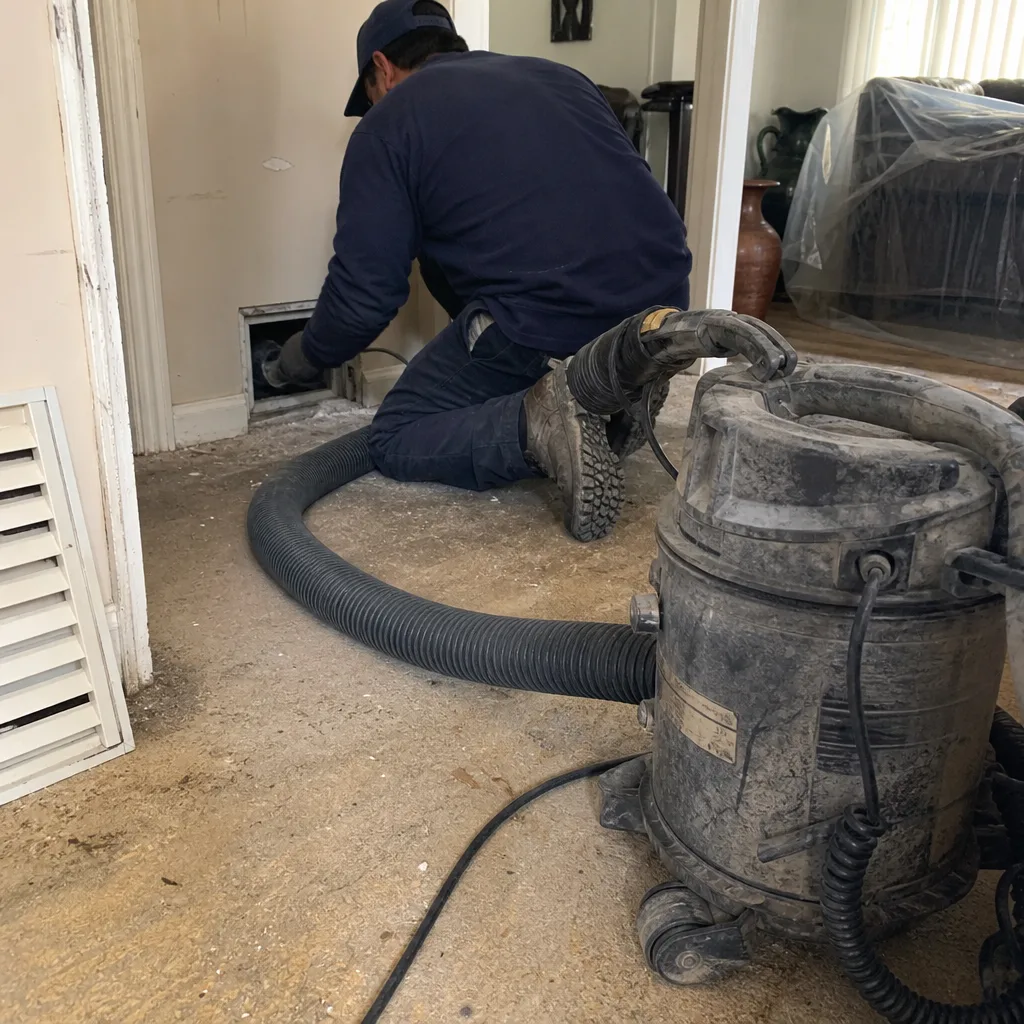 Before
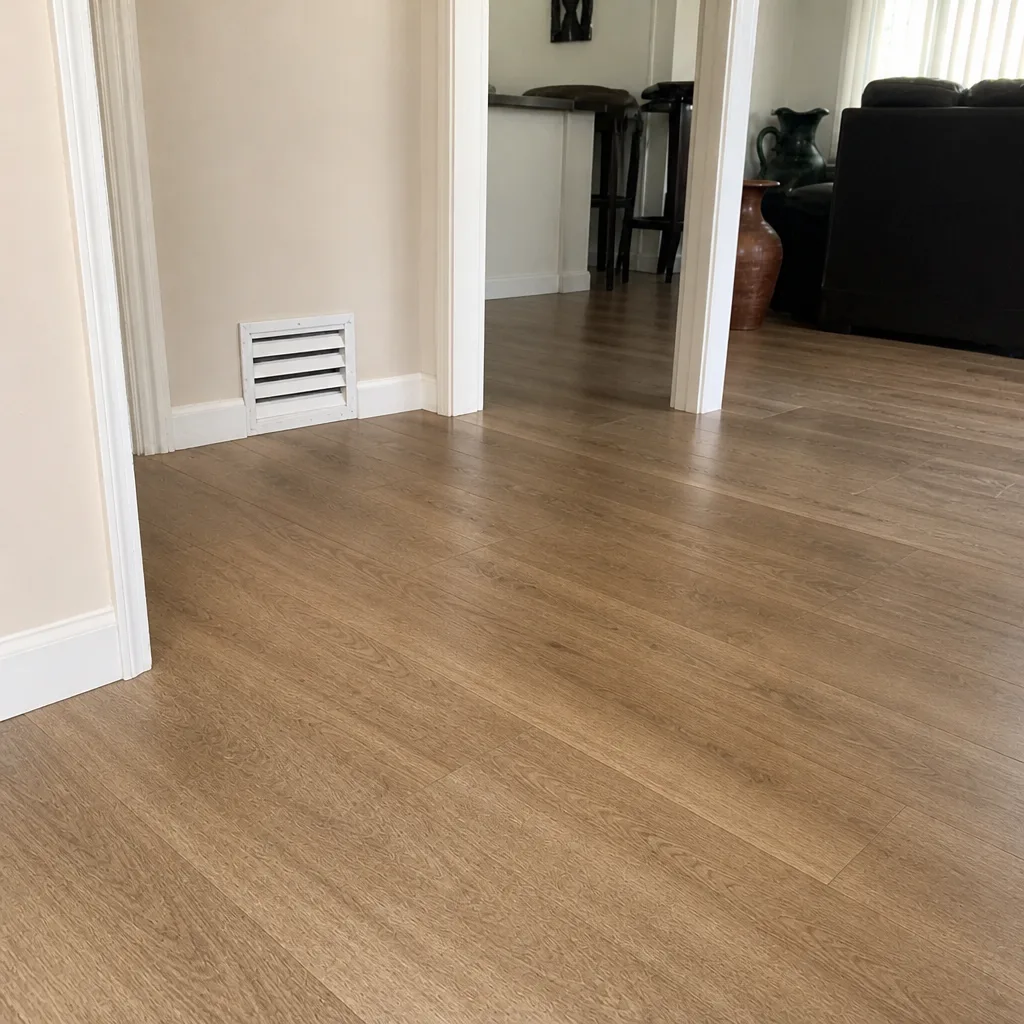 After
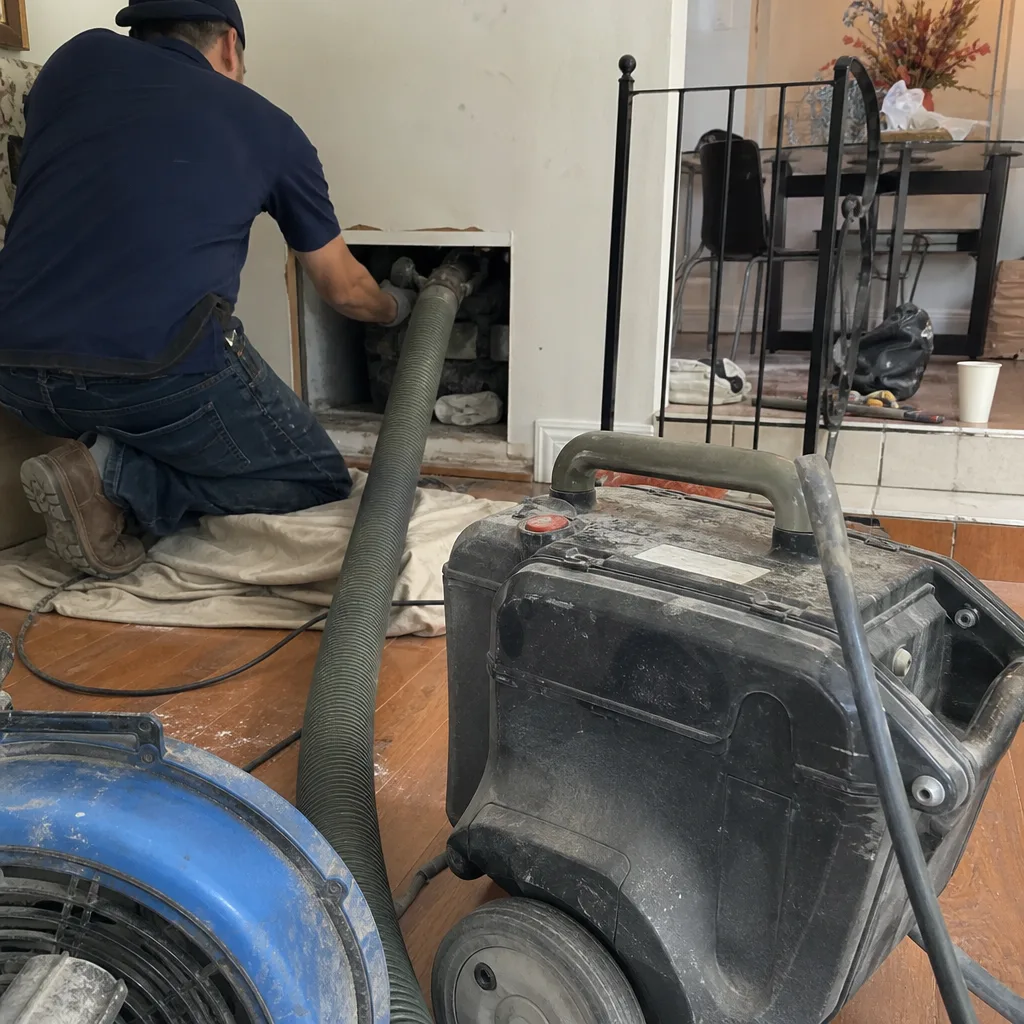 Before
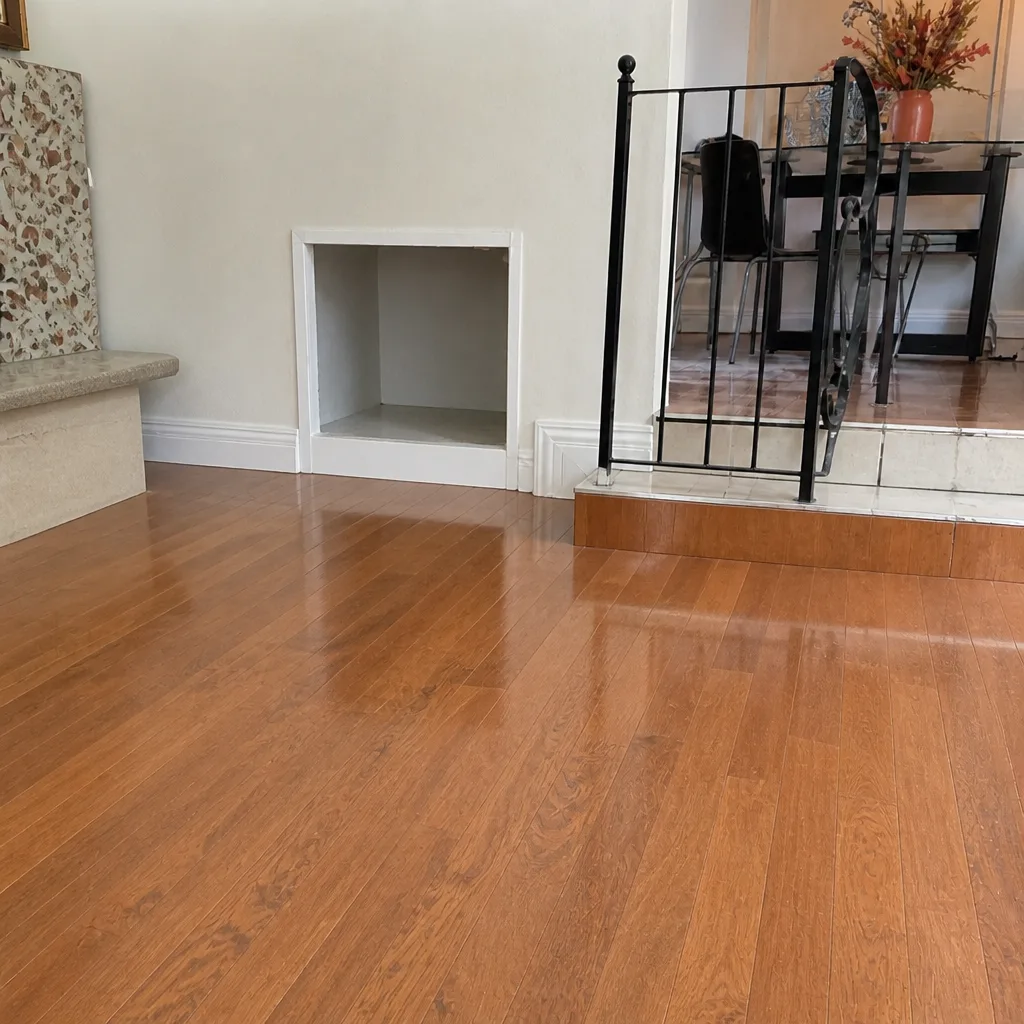 After
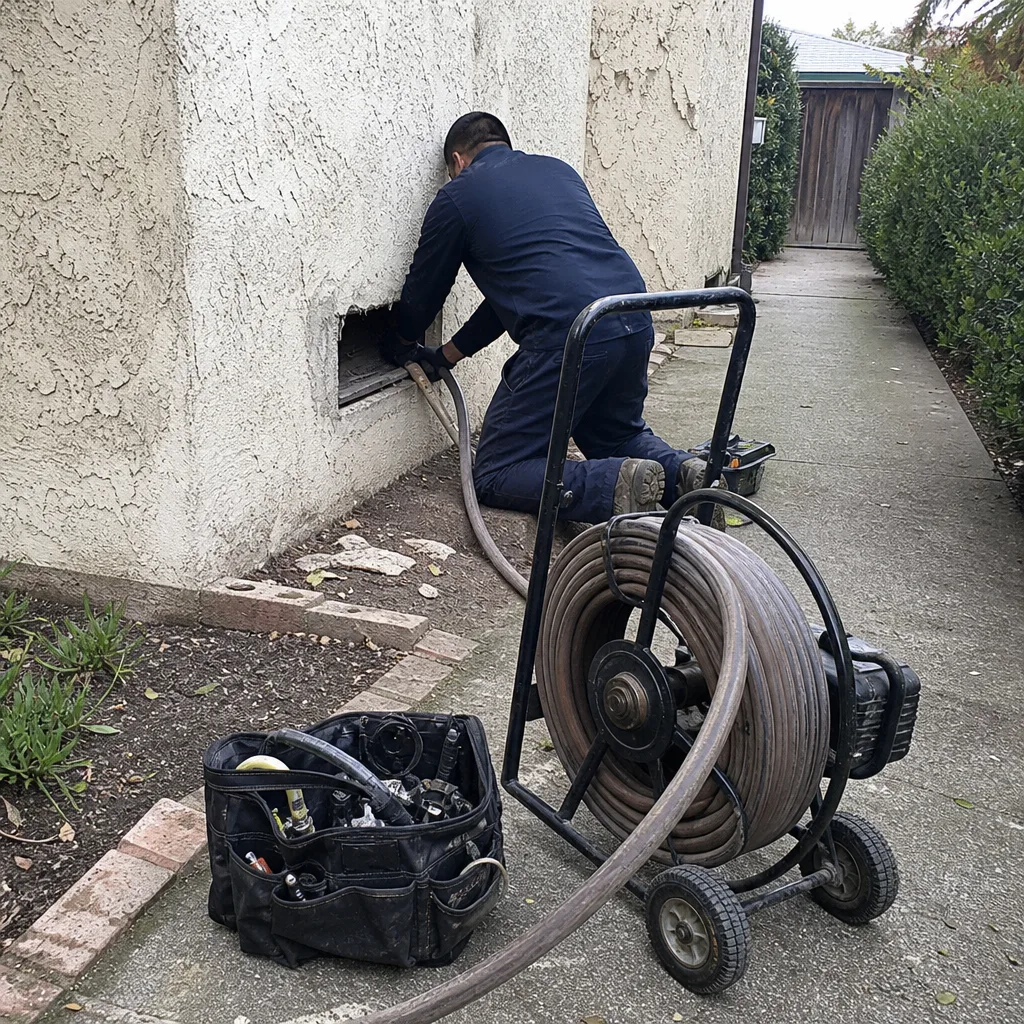 Before
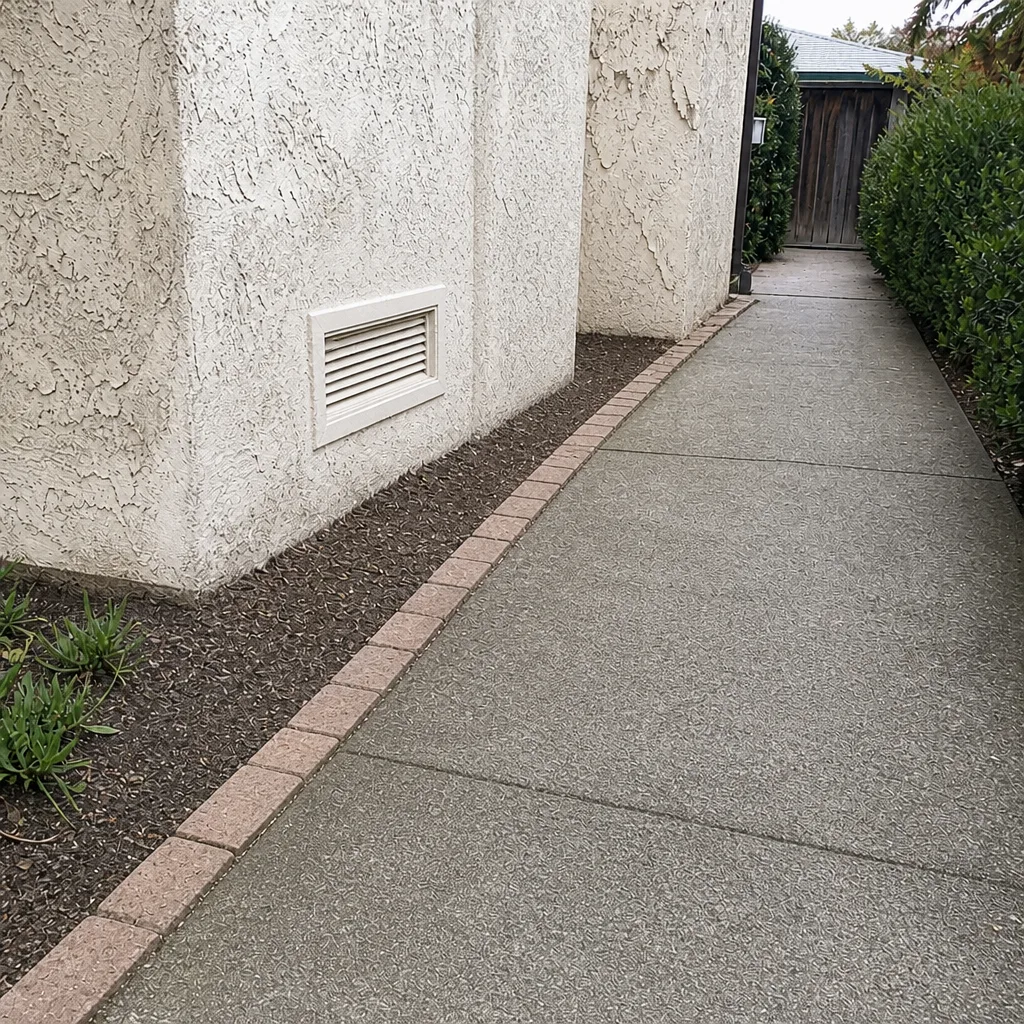 After