
Last updated November 4, 2026
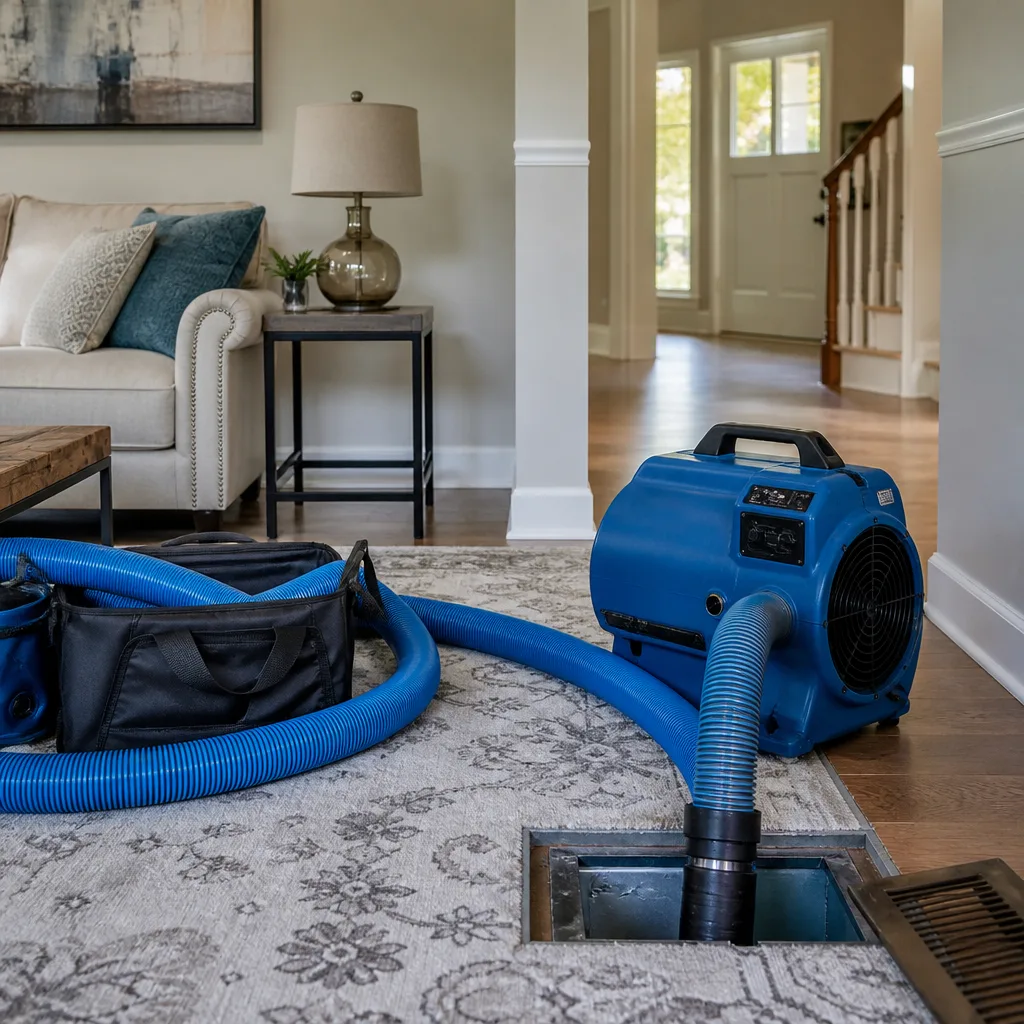 Whole-home duct cleaning
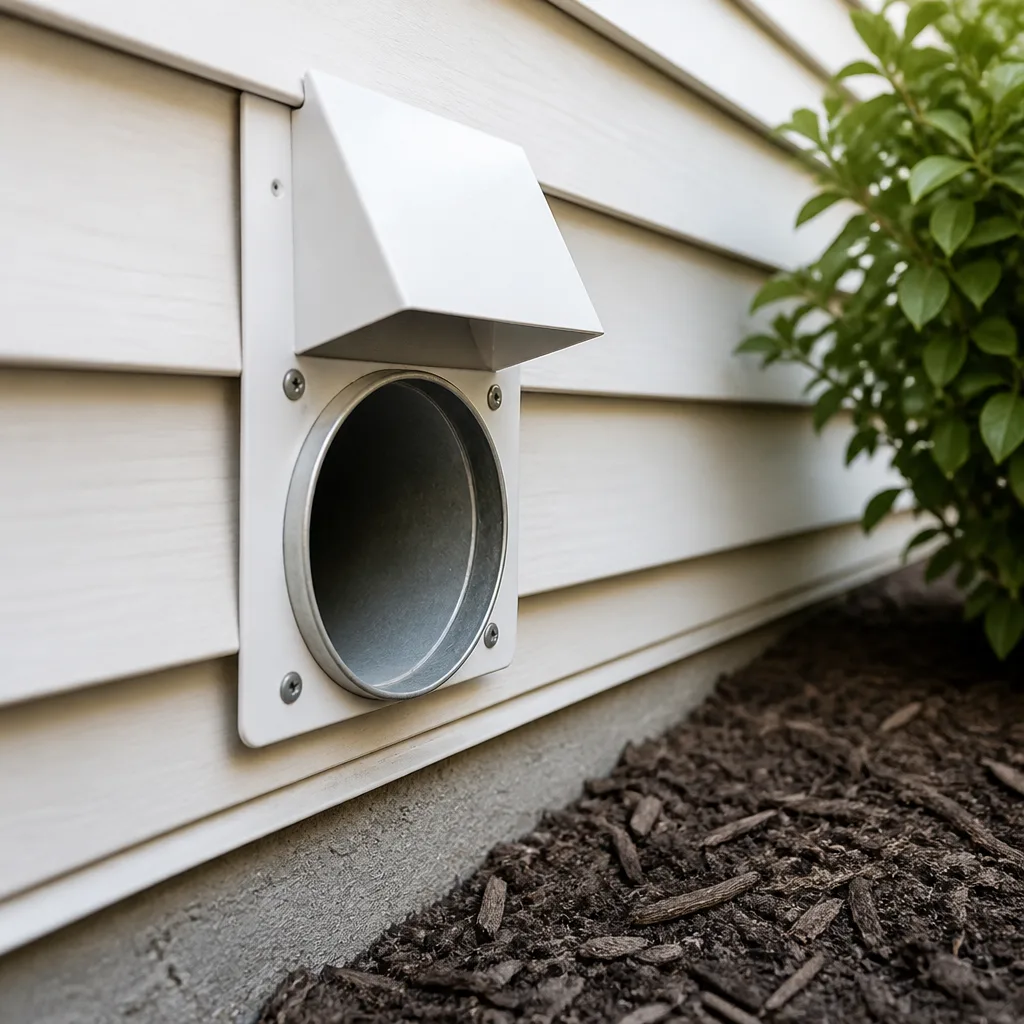 Dryer vent cleaning
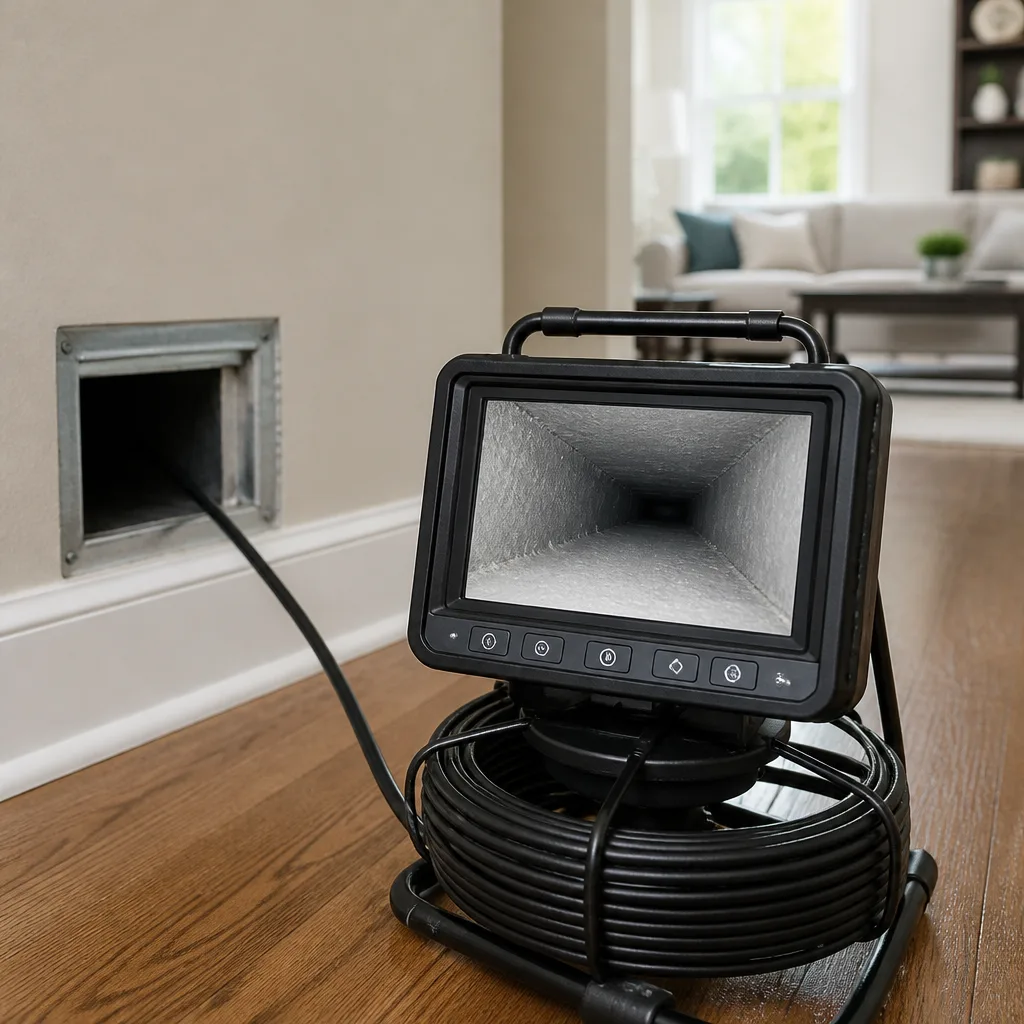 Camera inspection
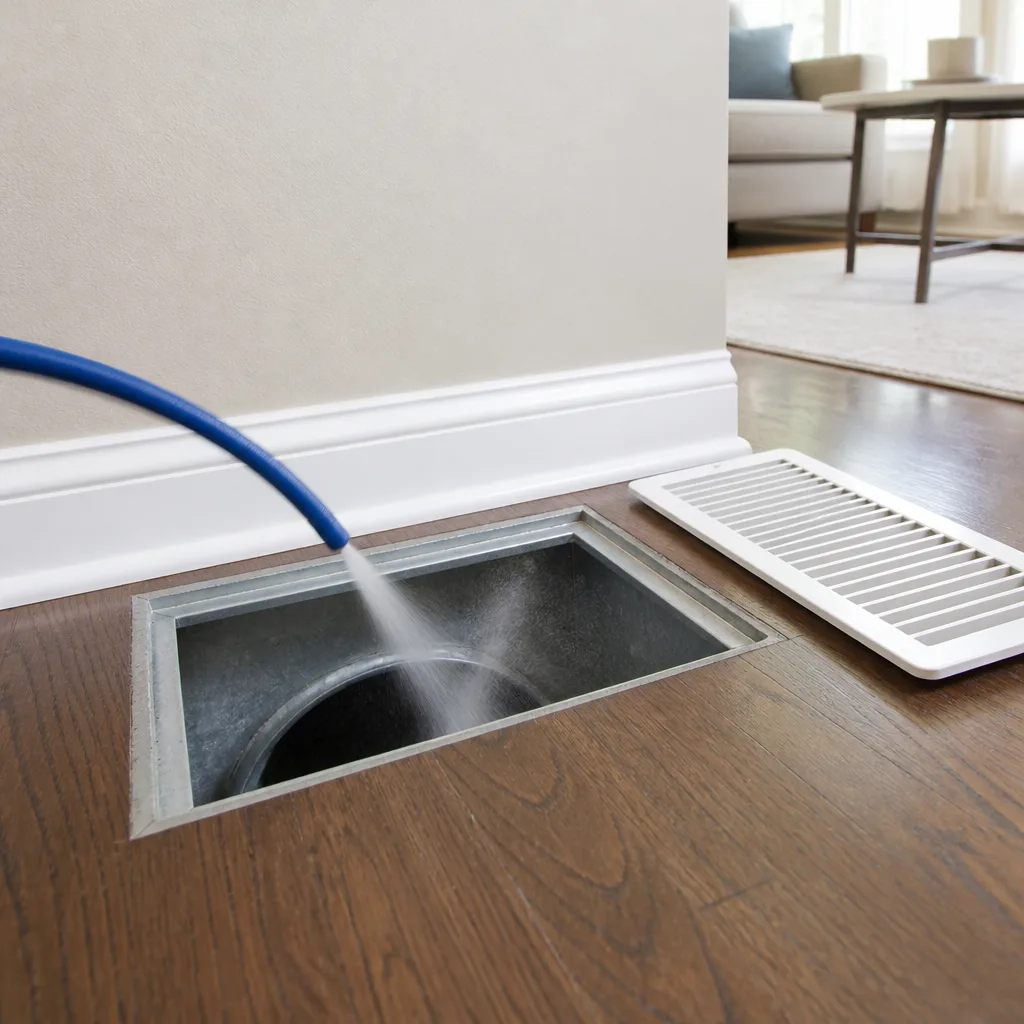 Sanitizing & deodorizing
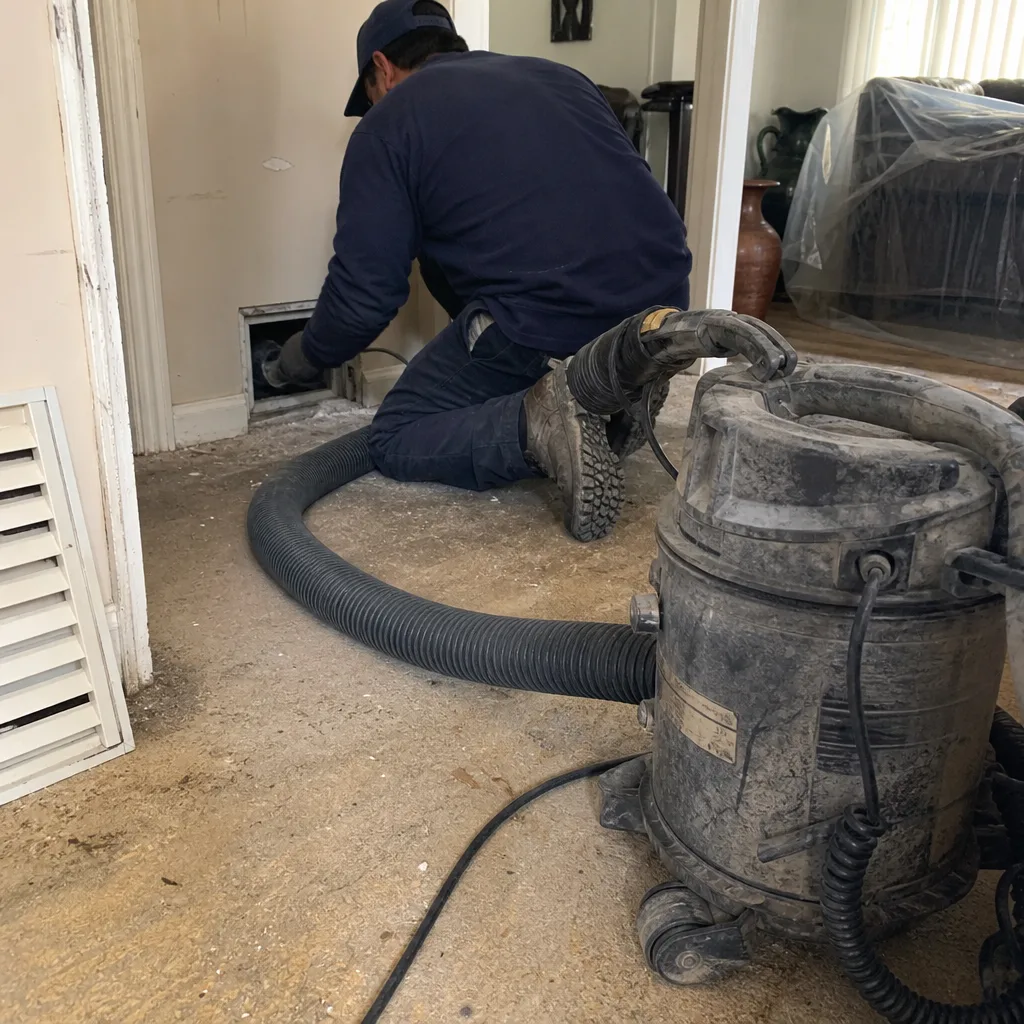
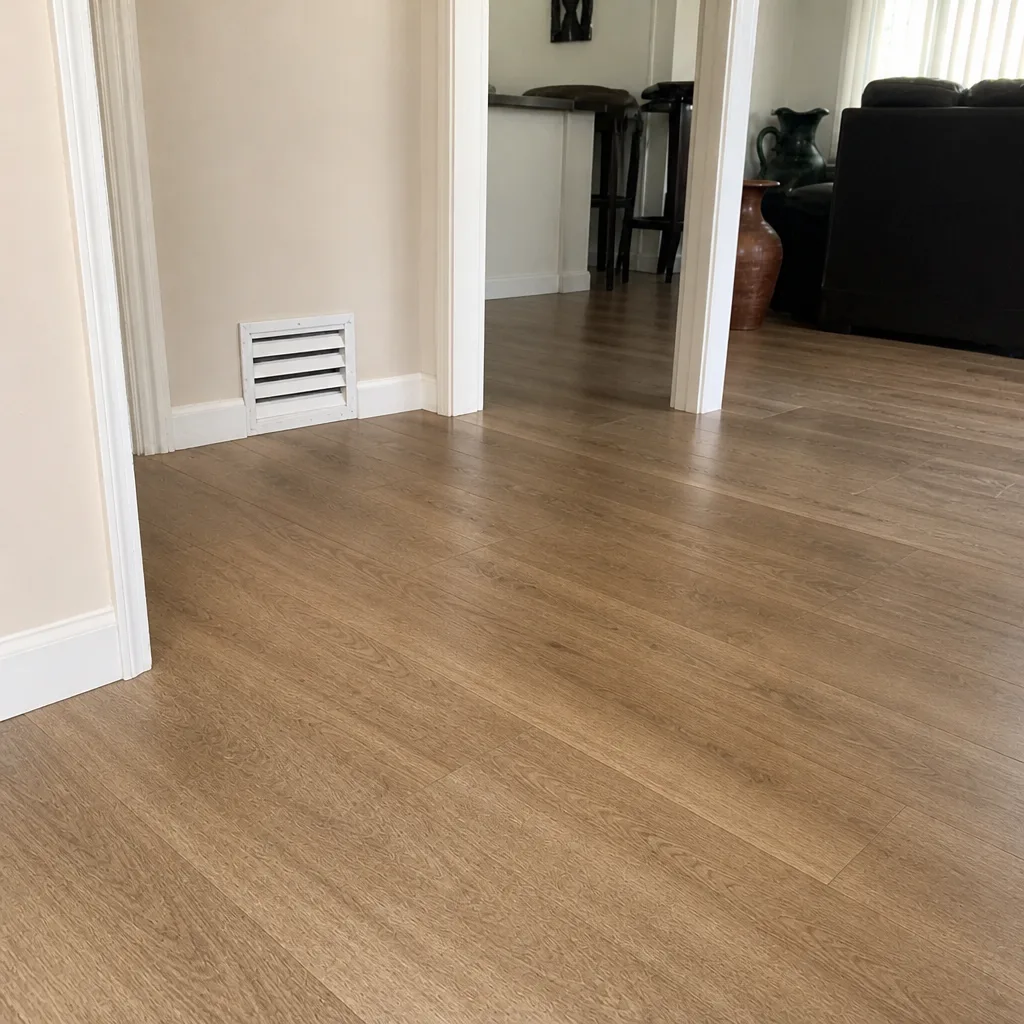
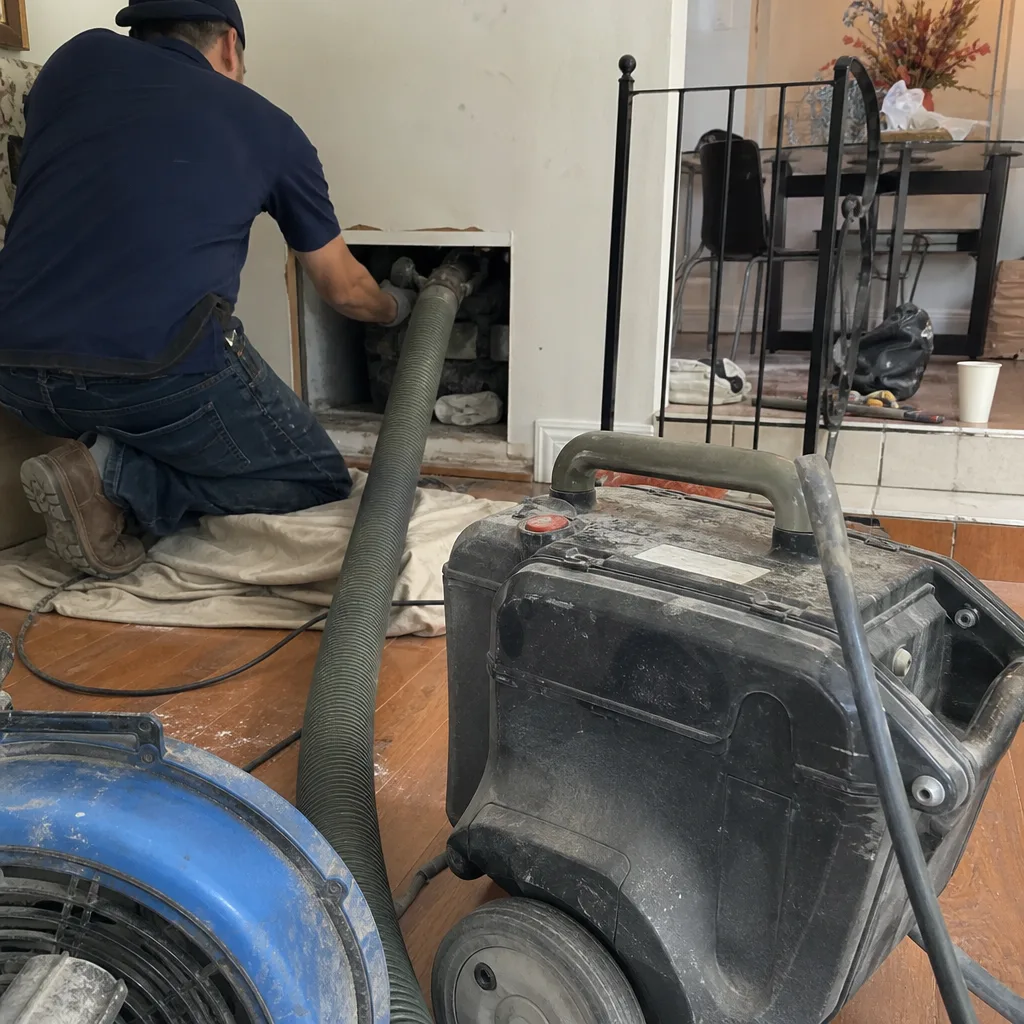
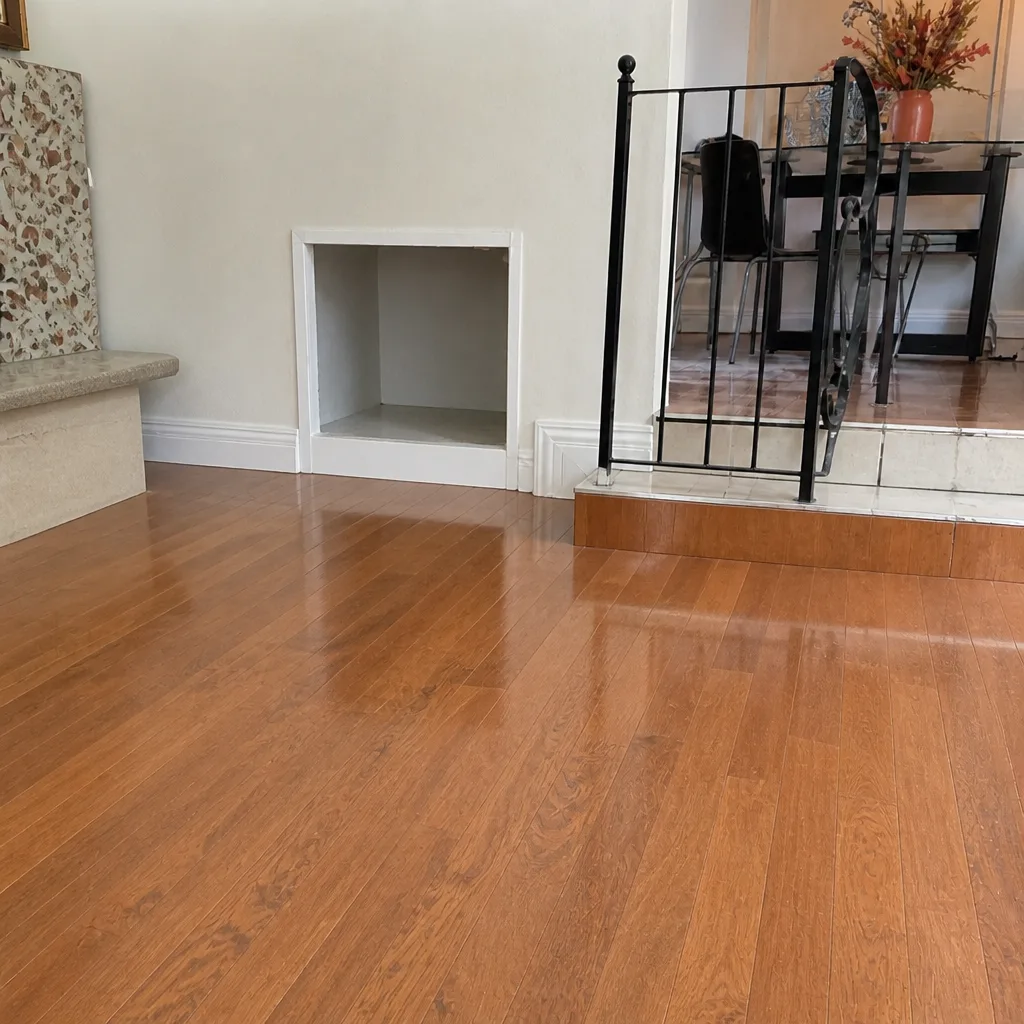
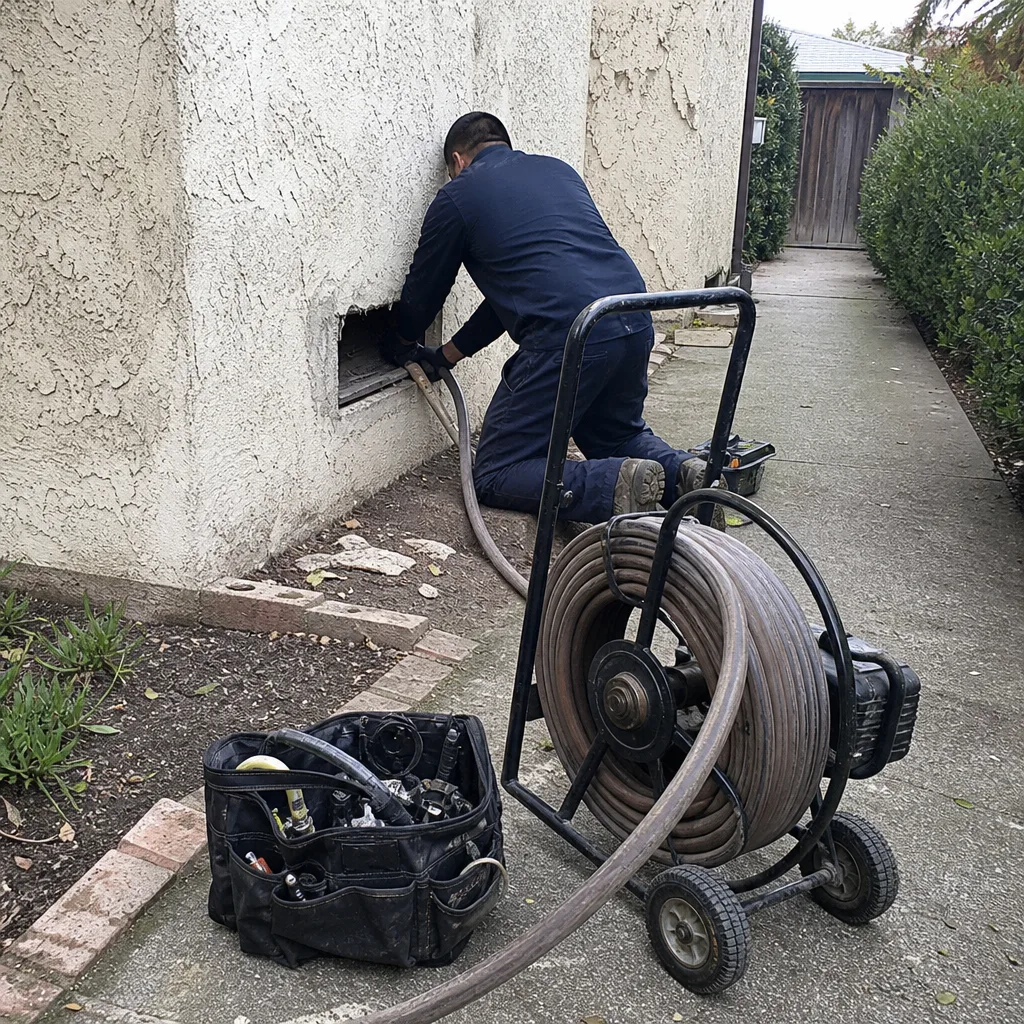
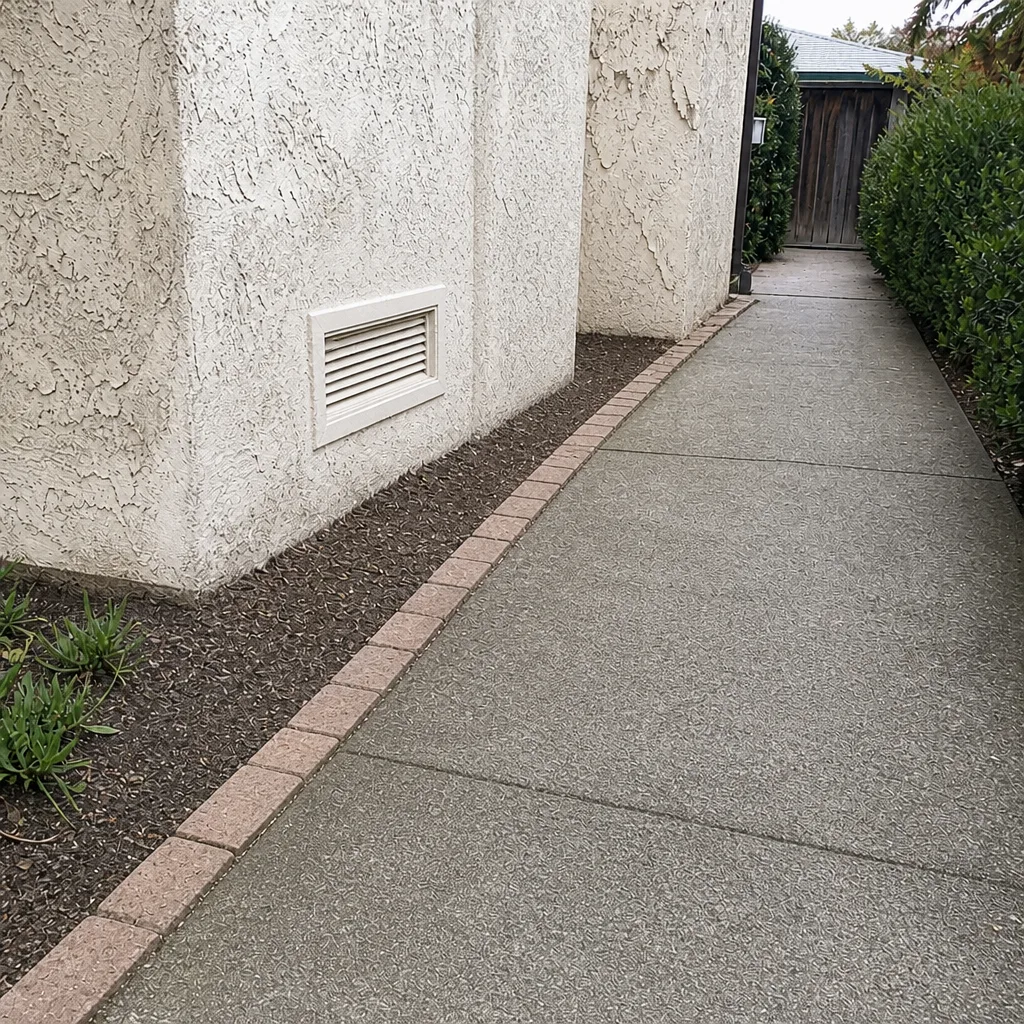
Whole-system duct and dryer vent check with before-and-after photos - you see exactly what came out of your vents
That "$99 whole-house special" is a bait ad - the real number appears once they are in your hallway, or the "clean" is a shop-vac at the register. We photograph the inside of your ducts before and after instead.
Air Duct Cleaning Warning Signs: A North San Jose Homeowner’s Reference Guide
By the time you see dust blowing from a supply register, your duct system has typically been accumulating debris for years. The earlier indicators were present long before that visible plume, but they rarely look like a “dirty duct” problem. They look like a room that won’t hold temperature, a smell you can’t place, or allergy symptoms that seem worse at home than anywhere else. This guide walks through those subtler, early-stage signals so a North San Jose homeowner can recognize what’s actually happening inside the ductwork before it becomes an obvious, expensive issue.
Quick Answer
Early air duct cleaning warning signs include uneven room temperatures across your home, a musty smell that appears only when the HVAC starts, allergy symptoms that intensify indoors, and air filters that clog noticeably faster than their expected lifespan. In North San Jose, where homes run air conditioning for long stretches of the year, these signals often appear months before visible dust at the registers. If you’re noticing two or more of them, the duct interior likely needs professional evaluation.
Styles & brands we work with
- Whole-home duct cleaning
- Dryer vent cleaning
- Camera inspection
- Sanitizing & deodorizing
Table of Contents
- Uneven Room Temperatures and Pressure Imbalances
- The HVAC Startup Odor: What It Actually Means
- Allergy and Asthma Patterns That Point to Ducts
- Filter Clogging Rate as a Diagnostic Tool
- Visual Inspection at Registers: What You Can and Can’t See
- Subtle Sounds and Airflow Changes
- Renovation History and Its Effect on Ducts
- Common Mistakes to Avoid
- When to Call a Professional
- Frequently Asked Questions
Uneven Room Temperatures and Pressure Imbalances
A bedroom that runs five degrees warmer than the hallway is often written off as an HVAC sizing issue, but in a multi-room North San Jose home it can be an early indicator of debris-restricted duct branches. When one branch line accumulates dust, pet hair, and construction debris, it narrows the effective airway. The room it serves receives less conditioned air, so it lags behind the rest of the house while the thermostat, located in a central hallway, thinks everything is fine. The system keeps running, the other rooms keep getting air, and that one room just never catches up. Pressure imbalance is the less obvious cousin: a door that drifts closed on its own, or a faint whistle at a partially open register, suggests airflow is being pushed unevenly through the system. Some of that is normal HVAC behavior. But when the imbalance is new, or when it worsens season after season, the restriction is often physical and inside the duct. If you’re seeing this pattern, a professional air duct cleaning removes the restriction rather than masking it with thermostat adjustments.
The HVAC Startup Odor: What It Actually Means
A musty smell that appears only in the first few seconds of an HVAC cycle is not general household odor. It’s the smell of accumulated organic material inside the duct system being stirred by the initial airflow, then fading as the air movement dilutes it. That material is typically a mix of dust, skin cells, pet dander, and in some North San Jose homes, fine particulate that settles during the dry months. In an air-conditioned house, condensation on the coil creates a brief humid microclimate at the start of each cycle, and that moisture activates odor compounds in the debris. If the smell were coming from a carpet or a drain, it would be present all the time. The fact that it appears only at startup and disappears within seconds is itself the diagnostic clue. It means the odor source is located where airflow changes suddenly, which in a forced-air system means the ductwork. This is a sign that surface-level cleaning of registers won’t address. The material is deeper in the system, where it requires rotary agitation and HEPA capture to remove fully.
Allergy and Asthma Patterns That Point to Ducts
Indoor allergy symptoms that worsen at home and improve at work, school, or outdoors are worth taking seriously. The duct system in a North San Jose home is the distribution network for whatever is in the air. When the duct interior holds accumulated allergens like dust mite waste, pet dander, and pollen tracked in from outside, every cooling cycle pushes a fresh dose into the living space. The pattern to watch is not “I have allergies” but “my allergies are consistently worse in my own house.” That distinction matters. It suggests the trigger is environmental and local, and the duct system is one of the few whole-home environmental variables you can actually inspect and address. If you’re going to bring documentation to a contractor, bring the pattern: which rooms trigger symptoms, whether symptoms improve with windows open, whether the HVAC running makes them worse. That’s more useful than a symptom list, because it maps the problem to the air delivery system. We work with Aprilaire and Honeywell air-quality systems, which means we can speak to whether your symptoms are being aggravated by the ducts themselves or by a filtration gap that a better media cabinet could address. The two problems look similar but require different solutions.
Filter Clogging Rate as a Diagnostic Tool
A MERV-8 filter in a North San Jose home should typically last one to three months depending on household size, pets, and system runtime. When a filter that used to last 90 days starts loading visibly in three or four weeks, that rate of change is telling you something specific about the duct interior. The filter only captures what the return air brings to it. If the ducts themselves hold a large reservoir of accumulated dust, every cycle keeps re-suspending that material, which then heads back to the filter. The filter is doing its job; it’s just being asked to process years of accumulated debris instead of ordinary household dust. A steadily decreasing filter interval, month after month, is one of the most reliable early indicators of a dirty duct system because it’s measurable and objective. You don’t have to guess whether the air “feels” different. The filter is a data point. When we’re asked to evaluate a system, we look at that history: how fast the filter has been loading, whether the interval has shortened, and what the filter surface actually shows. That information, combined with a camera inspection of the duct interior, gives a clear picture.
Visual Inspection at Registers: What You Can and Can’t See
You can learn more from a supply register than most homeowners think, but you also need to know the limits of what a phone flashlight reveals. Here’s a step-by-step approach that works for any North San Jose home:
- Pop the register cover off. Most covers lift straight out or unscrew with two screws. Set it aside.
- Shine a phone flashlight into the duct opening at a low angle. Low-angle light reveals texture and surface buildup better than direct light.
- Look at the duct walls near the opening. A thin, even coat of fine gray dust is normal. What you’re checking for is a textured, caked, or clumpy layer that looks like felt or lint.
- Check the register vanes themselves. Heavy caking on the vanes suggests the air passing over them is carrying a high particulate load.
- Look for visible debris fragments. Drywall dust, pet hair clumps, or visible construction material at a register means that material is also further inside the duct.
What you cannot assess with a flashlight is the main trunk line, the return ducts, or the sections behind walls and above ceilings. That requires a professional camera inspection. We use Abatement Technologies equipment for elevated air-quality situations, and the difference between a phone light at a register and a proper interior camera survey is the difference between seeing the lobby and seeing the whole building. The visual check at the register tells you whether further inspection is warranted. It doesn’t tell you the full condition of the system.
Subtle Sounds and Airflow Changes
Ducts make noise when airflow changes. Some of those changes are benign: thermal expansion produces occasional ticks and pops. But a rattle that happens only when the blower is running, or a whistling sound that gets worse over time, points to a physical obstruction or a loose connection in the duct run. Loose duct sections can separate at the seams, especially in older North San Jose homes where the system has been through years of thermal cycling. When a section separates, the system pulls air from unconditioned spaces or pushes conditioned air into the attic or wall cavity. That’s not a cleaning issue by itself, but it matters because a separated duct is an entry point for insulation fibers, attic dust, and other material that then gets distributed through the rest of the system. In our experience, a significant portion of homes that come to us for air duct cleaning also have at least one compromised duct section that needs repair. That’s one of the reasons we offer dryer vent cleaning and duct repair alongside cleaning: the system has to be sealed before it’s worth cleaning. A leak upstream undoes the work downstream.
Renovation History and Its Effect on Ducts
If your North San Jose home has been renovated within the last few years, it’s almost certain that construction dust entered the duct system. Drywall sanding produces a fine particulate that hangs in the air and gets pulled into return ducts whenever the HVAC runs. Flooring removal, tile cutting, and even painting prep all add to the load. Most renovation crews seal off the work area with plastic, but the HVAC system is rarely isolated, and a running system actively draws construction dust into the return path. The material settles in the duct interior and stays there, gradually breaking loose and re-entering the airstream over months and years. This is so common that we consider renovation history a primary screening question. If the answer is yes, and you haven’t had the ducts cleaned since, the system is carrying a particulate load that predates your current filter. That’s a mechanical fact, not a scare tactic. The fix is straightforward: a professional cleaning with rotary agitation and HEPA vacuum collection. Our Rotobrush systems are designed specifically to dislodge compacted debris like drywall dust from duct walls, which is precisely the material that a renovation leaves behind.
Common Mistakes to Avoid
- Assuming a new filter solves the problem. A filter captures what reaches it. It does nothing for debris already adhered to duct walls upstream. If the ducts are loaded, you’ll simply be replacing filters faster.
- Cleaning only the registers and calling it done. The registers are the visible 2% of the system. The trunk line, branches, and returns hold the actual volume. Surface-level register cleaning leaves the reservoir intact.
- Ignoring a room that consistently runs warm. Homeowners in North San Jose often adjust the thermostat, add a fan, or close registers in other rooms. That masks the physical restriction rather than addressing it, and it can actually increase the pressure imbalance.
- Assuming you can see all the debris. A phone flashlight at a register cannot evaluate the main trunk or the return side. A clean-looking supply register does not mean a clean duct system.
- Waiting for visible dust at the supply vents. By that point, the system has been distributing particulates throughout the home for a long time. Early-stage signals are the odor, temperature, and filter-clogging patterns covered above.
- Treating a musty startup odor with air fresheners or scented filters. That adds a chemical scent on top of the actual odor source. It doesn’t remove the organic material causing the smell. The material has to be physically removed.
When to Call a Professional
Call a professional when you’re seeing two or more of the early indicators at the same time: uneven room temperatures plus a startup odor, or a shortening filter interval plus allergy patterns that track with time spent at home. A camera inspection confirms or rules out the problem in about an hour. It’s also worth calling if your North San Jose home has been renovated and the ducts were never cleaned afterward, or if you suspect a separated duct section based on sound or airflow changes. Elmwood Air Duct Cleaning offers free estimates in North San Jose. Call (855) 506-8636. We answer 24/7. Fast dispatch from 7am to 7pm, Sunday through Friday.
Frequently Asked Questions
Air duct cleaning in North San Jose typically runs between $450 and $900 for a single-system home, depending on system size, number of registers, and the degree of buildup. Homes with multiple systems or severe debris accumulation fall at the higher end. We set one flat price per system before work starts, and the written estimate is the final price. Call (855) 506-8636 for an exact quote. Estimates are free.
Most North San Jose homes need air duct cleaning every three to five years, but the specific interval depends on pets, occupancy, renovation history, and whether anyone in the home has respiratory conditions. A home with two large dogs and a recent renovation may need service sooner. The filter clogging rate and the visual condition at the registers are better indicators than a fixed calendar. If you’re noticing the early signs described in this guide, the interval has effectively arrived.
No. A consumer shop vacuum and a register brush cannot reach the trunk line or agitate debris off the duct walls. The equipment that actually removes compacted material is a rotary brush system paired with HEPA-rated vacuum collection. That’s the reason we run Rotobrush and Nikro systems rather than portable shop vacs. The job is not about reaching the first few inches of duct at the register; it’s about cleaning the entire interior of a system that runs through walls and ceilings. Anything less leaves the reservoir in place.
Cheap quotes typically mean limited equipment and limited scope. A company that spends 30 minutes at the registers can charge less than one that runs a rotary brush through the full system and collects the debris with HEPA filtration. The lower price buys less work. Ask what equipment the company uses and whether the price covers the full system or just a register-level service. That question alone usually explains the price gap.
Ask for before-and-after photos of the duct interior. A company that runs a camera inspection before and after cleaning can show you the actual condition of the trunk line, not just the registers. We provide this on every cleaning because it’s the only way to verify the work objectively. If a company cannot show you photos of your own ducts before and after, that’s a reason to ask why.
Homes with integrated Aprilaire or Honeywell air-quality systems still need the ducts themselves cleaned; the filtration components handle what reaches them, but they don’t remove debris already inside the duct walls. In fact, a better filtration system sometimes masks a dirty duct problem longer, because the air quality at the return remains passable even as the duct interior loads up. Cleaning the ducts and maintaining the filtration system are complementary steps, not alternatives.
Yes. We serve homes throughout North San Jose, including the neighborhoods around Berryessa, Alviso, and the North First Street corridor. If you’re in a North San Jose home with a forced-air HVAC system, you’re in our service area. Call (855) 506-8636 and we’ll schedule an estimate.
The Bottom Line
The earliest signs of a dirty duct system are not dramatic. They’re a room that won’t hold temperature, an odor that lasts three seconds at startup, a filter interval that keeps shrinking, and allergy symptoms that track with time at home. Individually, each is easy to explain away. Together, they paint a clear picture of a duct system carrying a debris load it can no longer hide. The good news is that the evaluation is simple, the fix is well understood, and the work is verifiable with before-and-after photos. If you’re seeing these signs in your North San Jose home, the next step is a professional inspection. Call (855) 506-8636. We answer 24/7. Fast dispatch from 7am to 7pm, Sunday through Friday.
Written by the team at Elmwood Air Duct Cleaning, serving North San Jose since 2018.
See the difference
 Before
 After
 Before
 After
 Before
 After