
Last updated November 4, 2026
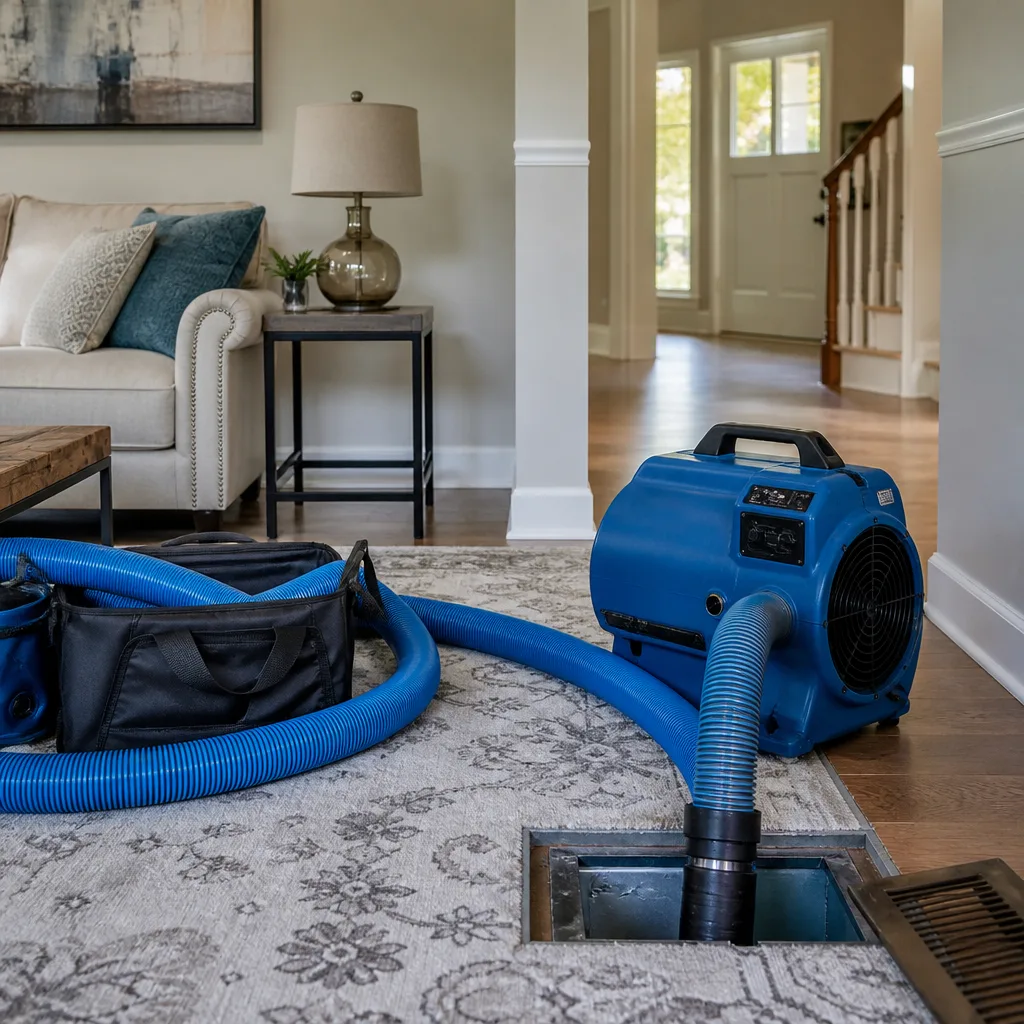 Whole-home duct cleaning
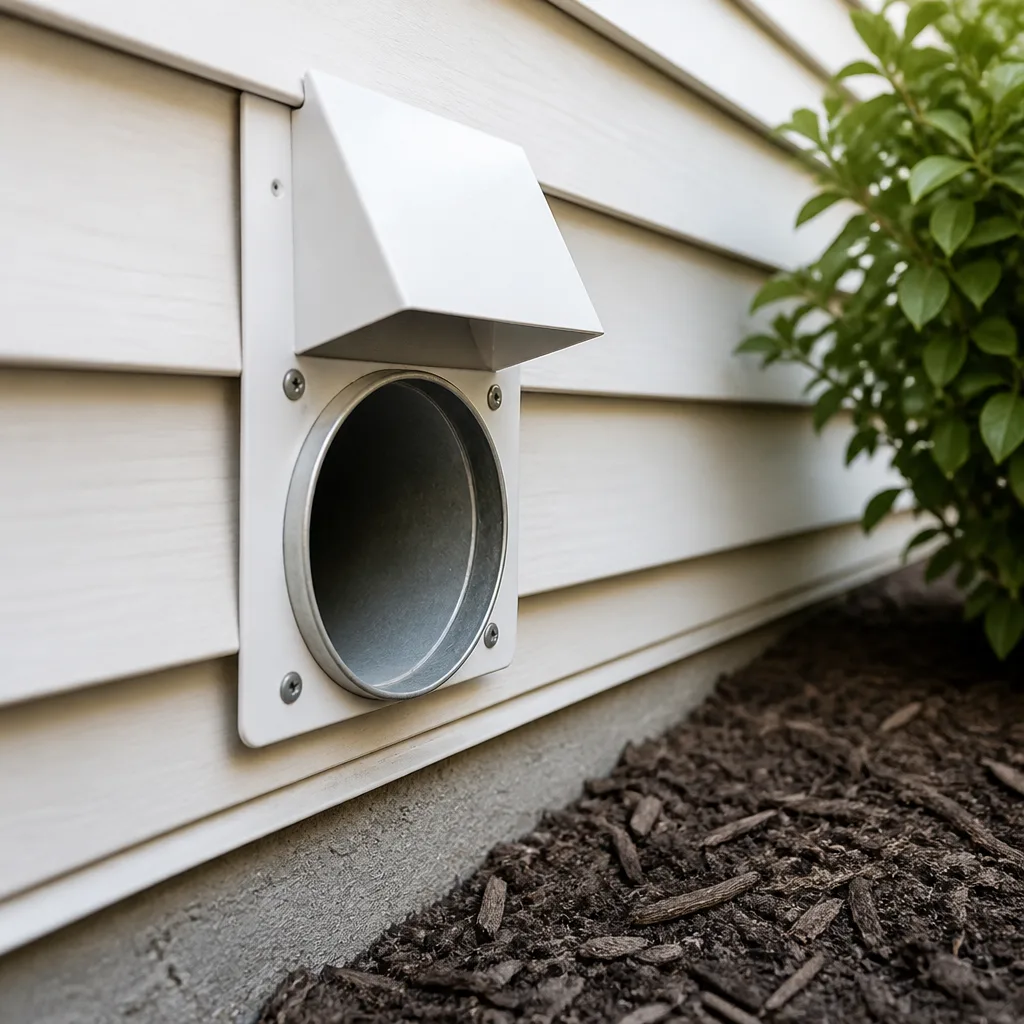 Dryer vent cleaning
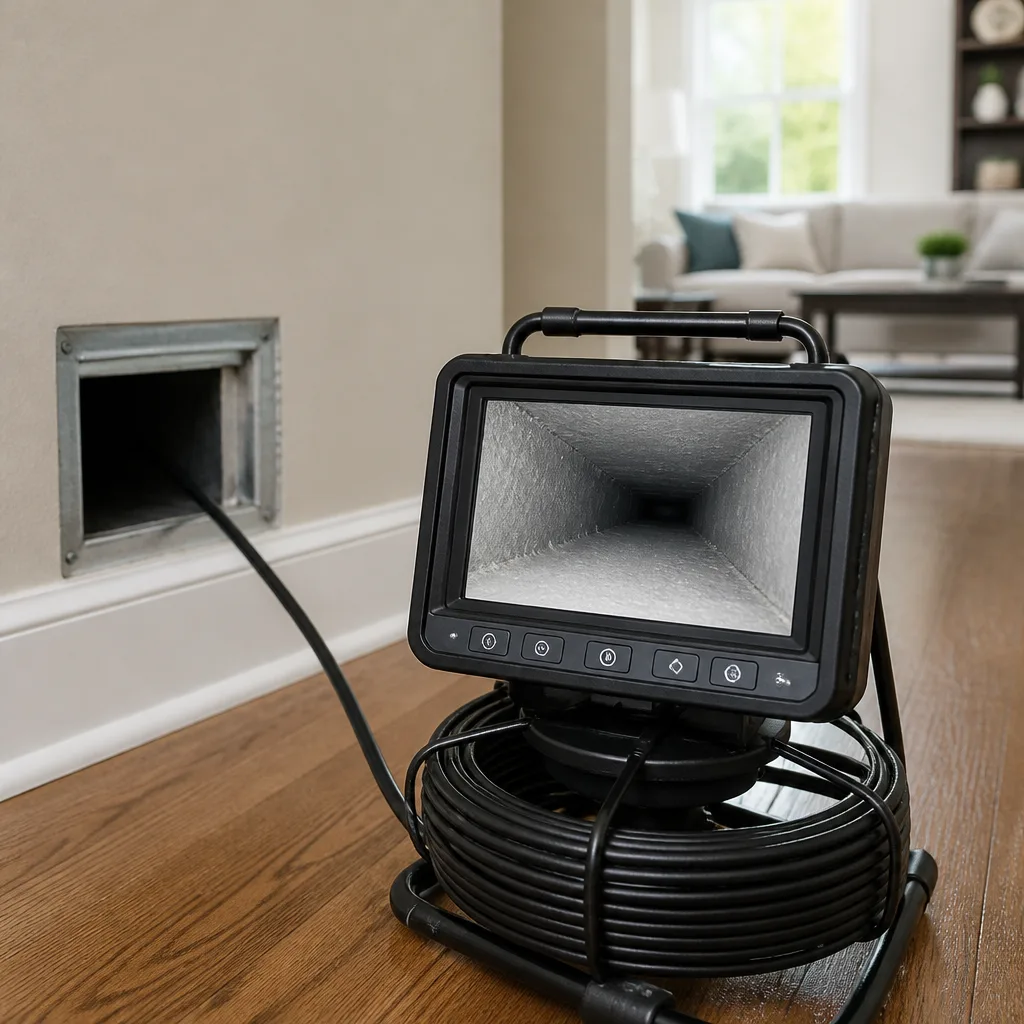 Camera inspection
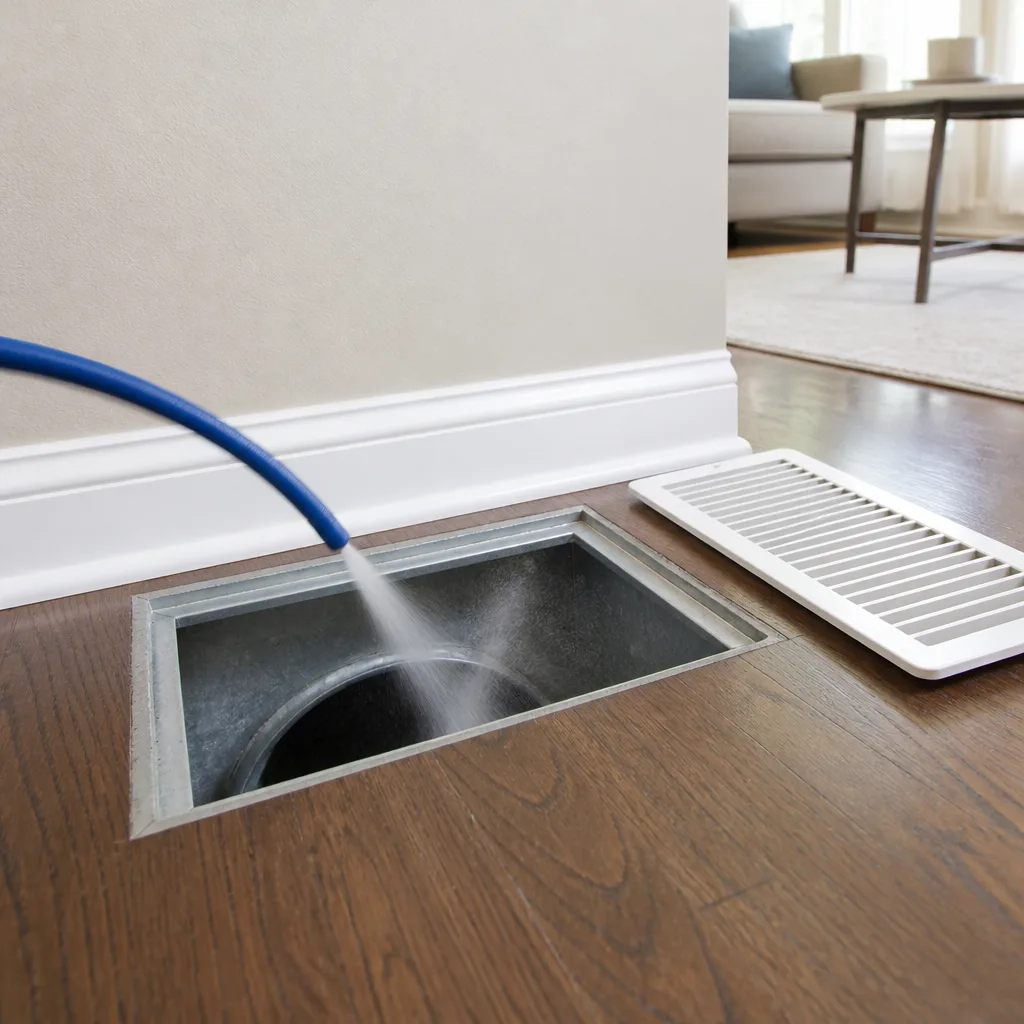 Sanitizing & deodorizing
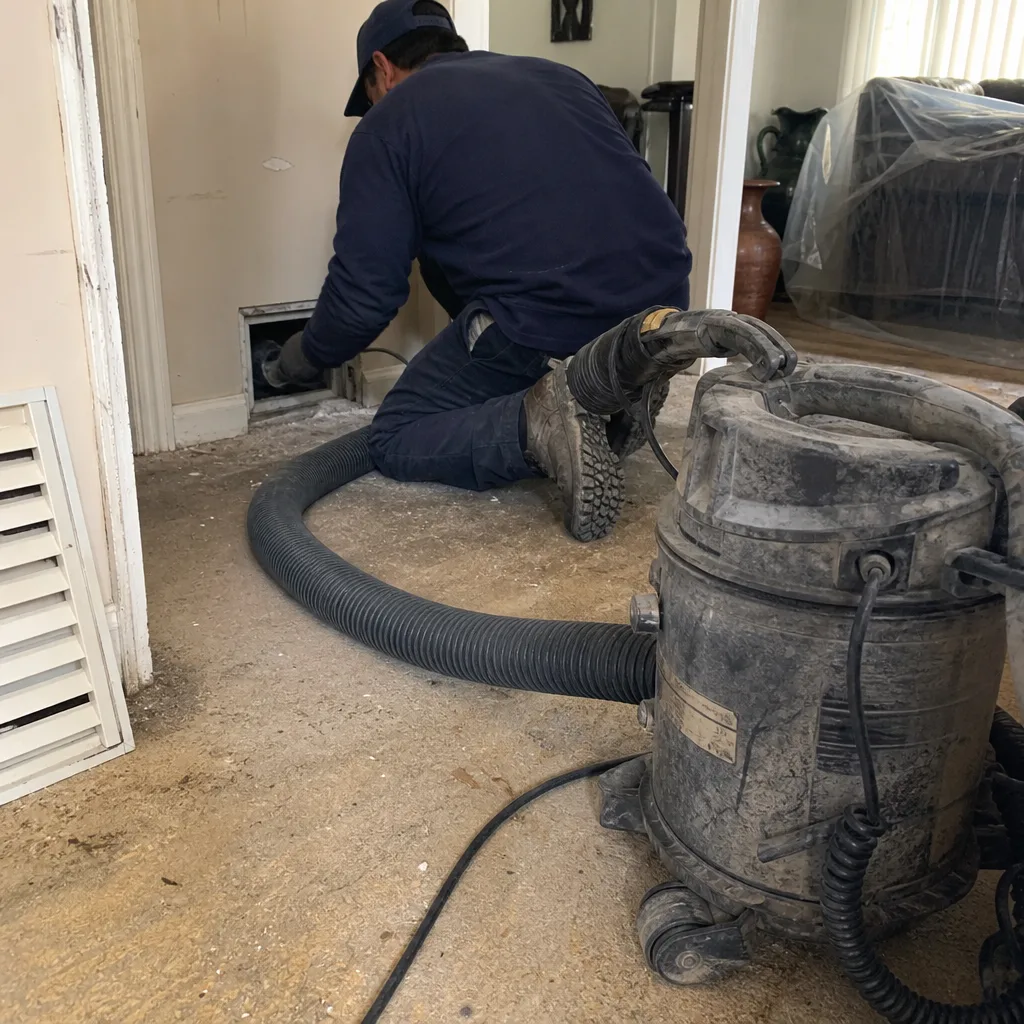
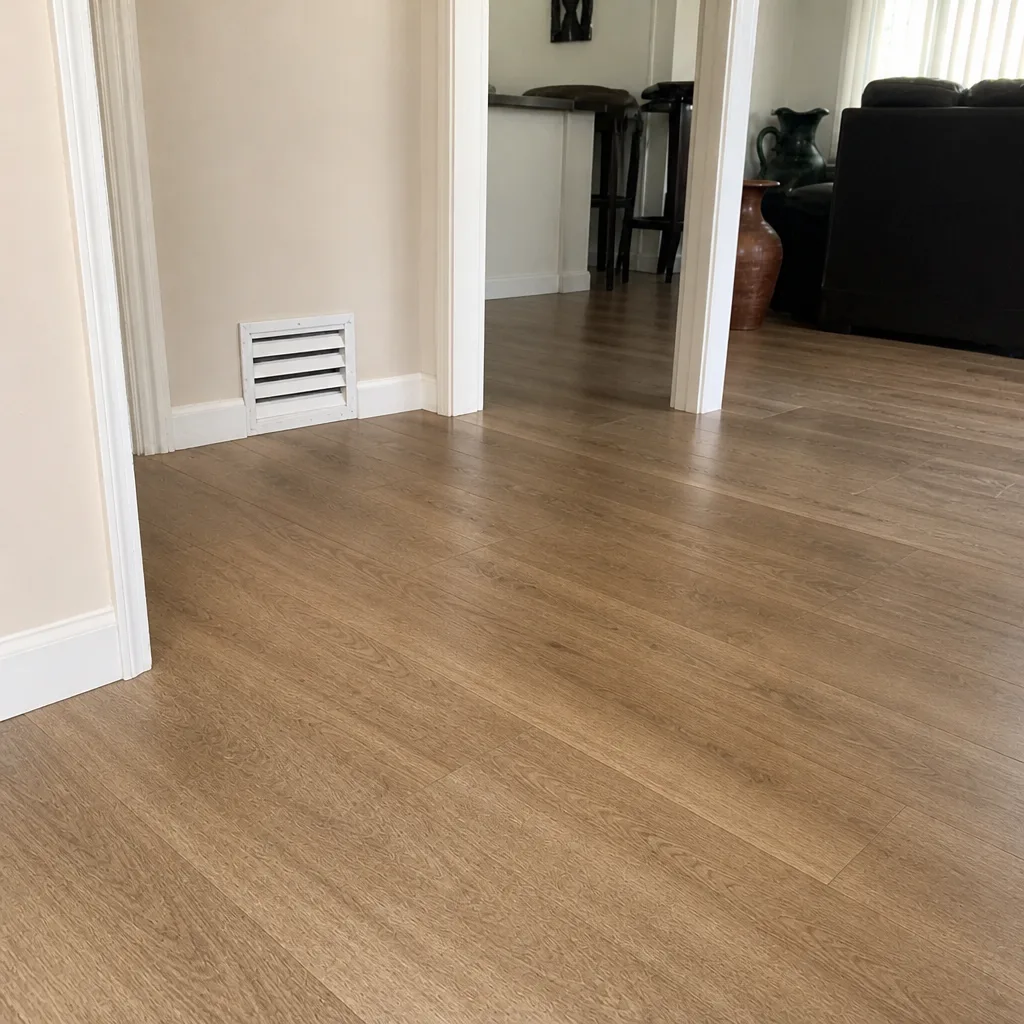
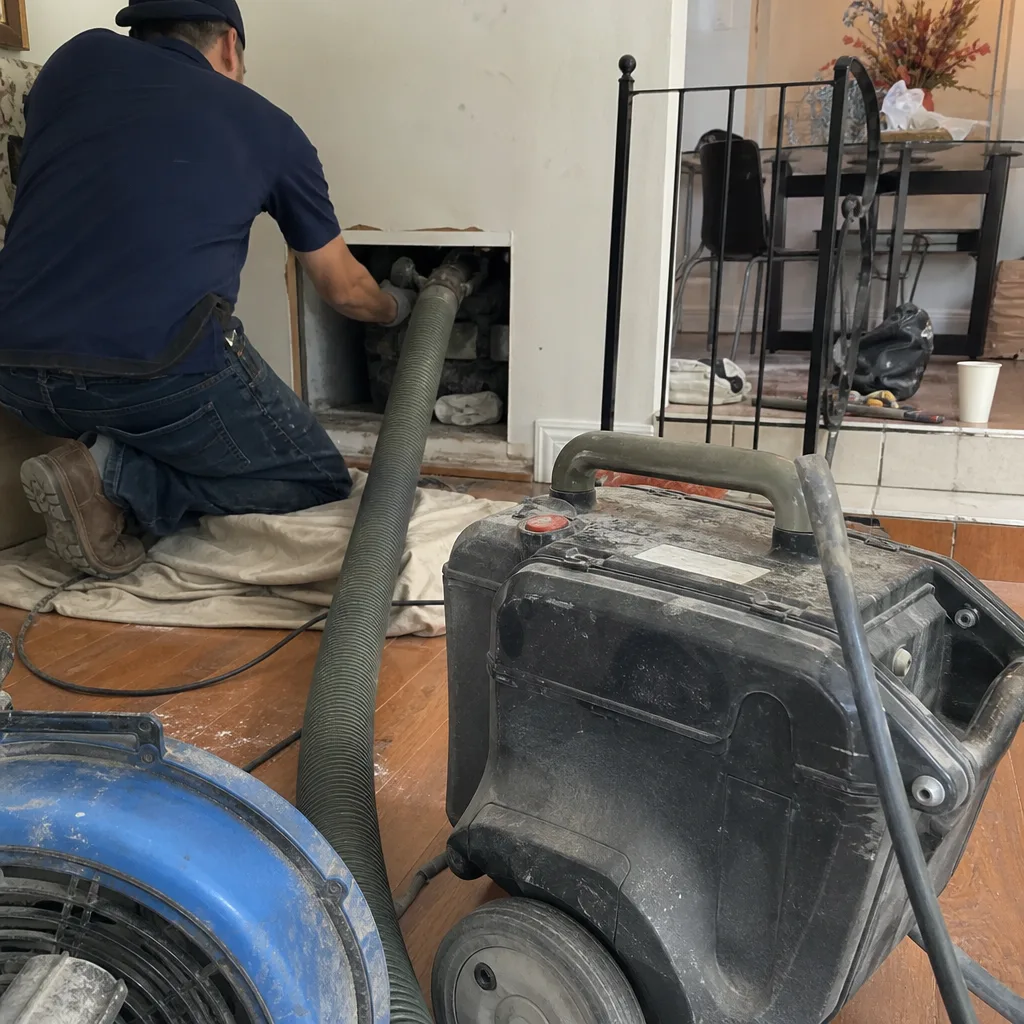
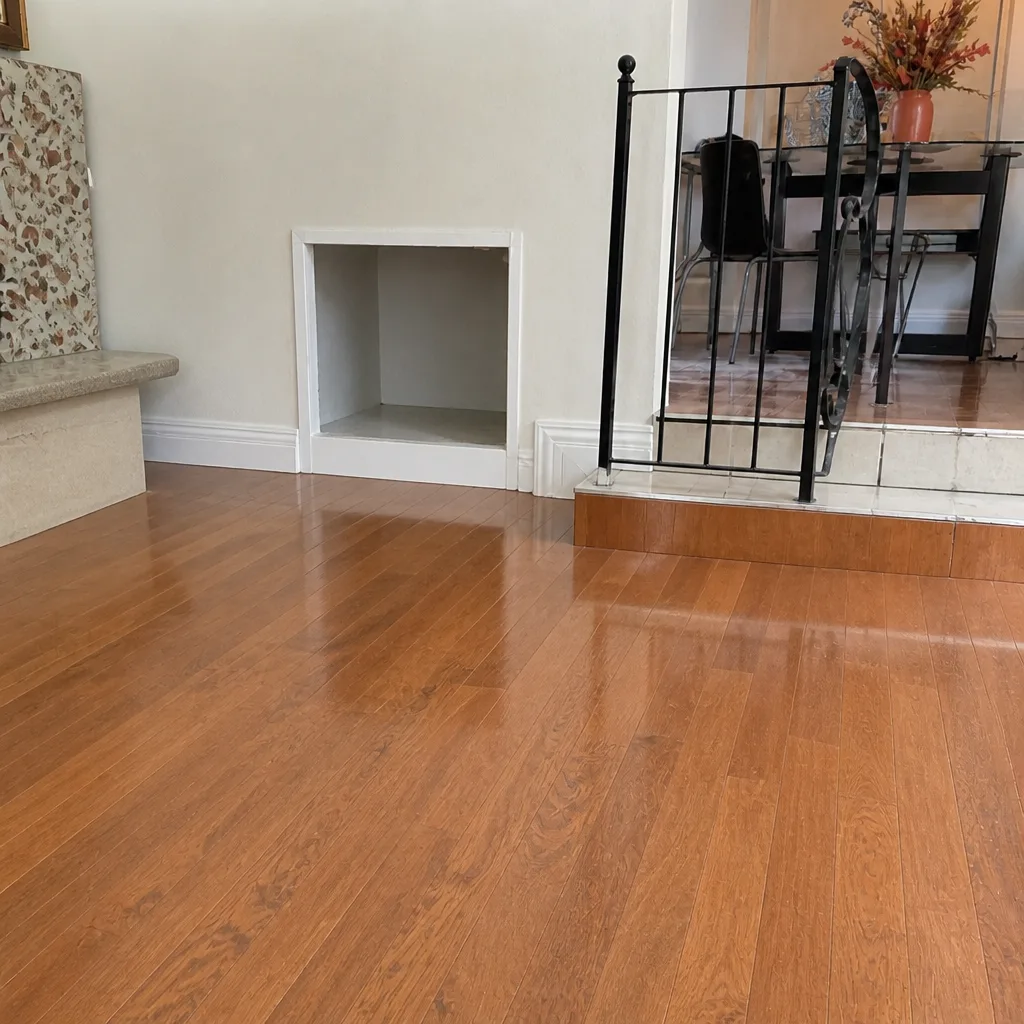
Whole-system duct and dryer vent check with before-and-after photos - you see exactly what came out of your vents
That "$99 whole-house special" is a bait ad - the real number appears once they are in your hallway, or the "clean" is a shop-vac at the register. We photograph the inside of your ducts before and after instead.
DIY vs Professional Air Duct Cleaning: The North San Jose Homeowner’s Decision Guide
A homeowner with a shop vacuum and a dryer vent brush can meaningfully clean the first 12 to 18 inches of a supply register opening. Everything past that bend requires negative pressure to move debris toward an extraction point rather than further into the system. This guide gives you an honest technical assessment of what consumer tools can actually accomplish, what they cannot, and where professional equipment changes the outcome in a typical North San Jose home.
Quick Answer
DIY duct cleaning works for register covers, accessible vent openings, and the first foot or so of visible duct. Professional air duct cleaning is the only method that removes compacted debris from the full trunk line and branch runs using negative-pressure extraction, which a shop vacuum cannot generate. If your goal is surface dust removal, DIY has a place. If your goal is cleaner air throughout the whole system, the equipment difference decides the outcome.
Styles & brands we work with
- Whole-home duct cleaning
- Dryer vent cleaning
- Camera inspection
- Sanitizing & deodorizing
Table of Contents
- What DIY Can Actually Do
- What DIY Cannot Do: The Physics of Negative Pressure
- How North San Jose Housing Affects Duct Access
- The Honest Cost Comparison: DIY vs Professional
- Why the Equipment Stands Out
- When DIY Attempts Make Professional Cleaning Harder
- Maintenance You Should Do Yourself
- Common Mistakes to Avoid
What DIY Can Actually Do
Homeowners can accomplish a handful of legitimate tasks without specialty equipment. The key is knowing where the useful work ends.
Register cleaning is straightforward and worthwhile. Remove the register cover, wipe it down with warm water and a mild degreaser, and vacuum the visible opening with the brush attachment. For homes in North San Jose, register dust tends to be fine and gray, a mix of household dust and particulate that settles out of the airstream. A few minutes per register every three to four months keeps surface buildup from re-entering the room whenever the system cycles.
Accessible flex-duct inspection is another responsible DIY task. In attic-run systems common in many North San Jose single-family homes, you can visually check sections of flexible duct for sagging, kinks, or disconnected joints. If you see a section resting on attic insulation or pulling away from a boot, that is a finding worth documenting. Whether you repair it yourself or hand it to a professional, knowing the condition of your flex runs is useful information.
Dryer vent clearing deserves its own mention. A homeowner can clean the first few feet of the vent run where it meets the dryer using a basic brush kit from a hardware store. The lint trap area, the transition hose, and the flapper valve are all reachable. This is real maintenance, and we encourage it. What a homeowner cannot reach is the full interior run, especially vertical sections or runs that extend fifteen or twenty feet to the exterior wall. Lint accumulation deeper in the line is what becomes a fire risk. Our dryer vent cleaning service exists because the dangerous part is almost never where the homeowner can see it.
Filter maintenance is non-negotiable and belongs to the homeowner. Changing or cleaning the HVAC filter on a regular schedule does more for daily air quality than any single duct cleaning. A clogged filter forces the blower to work harder, reduces airflow, and lets bypass dust settle into the ductwork. Write the replacement date on the filter frame with a marker. It is the cheapest air-quality action available.
What DIY Cannot Do: The Physics of Negative Pressure
Every effective professional duct cleaning system works on one principle: negative pressure extraction. The idea is simple to state but hard to replicate. A powerful vacuum is connected to the duct system, creating suction that pulls air and debris out of the entire run toward a single collection point. Agitation tools, typically rotary brushes, loosen compacted debris from duct walls while the negative pressure carries it away. Without both elements, you are just moving dust around.
A shop vacuum does the opposite of what is needed. It generates strong suction at the nozzle but has no capacity to draw air through the full duct system. Worse, the exhaust side of a consumer shop vacuum often blows fine dust back into the living space. What goes into the hose is captured, but the fine particulate that leaks around the filter in the process gets recirculated. That is not cleaning. That is redistribution.
Negative pressure matters for one reason: it gives debris a destination. Dust, pet dander, construction debris, and the fine particulate that settles in ducts need to be pulled out of the system, not pushed further down the trunk line. When you push air through a duct with a leaf blower or a reversed vacuum, you send debris into the inaccessible sections where it will sit until springing loose weeks or months later.
Professional systems used by Elmwood Air Duct Cleaning include Rotobrush rotary-brush machinery and Nikro HEPA-rated vacuum systems. The brush agitates compacted material off the duct walls. The Nikro unit creates serious negative pressure at the collection point and traps what it pulls out. The combination is what makes the work actual cleaning rather than surface stirring.
HEPA filtration is the other leg of the stool. A rotary brush without a true HEPA extraction unit still risks releasing fine particles. A HEPA vacuum without agitation cannot get the stuff that has crusted onto the duct walls after years of temperature swings, mild condensation, and the fine dust that settles in a Silicon Valley home. You need both, working together. That is the technical line between DIY and professional.
How North San Jose Housing Affects Duct Access
North San Jose has a specific housing mix, and it affects how feasible DIY duct access actually is. Most older single-family homes in the area were built on slab foundations with ductwork running through the floor slab or confined crawlspace sections. Some North San Jose homes have attic-run systems, particularly where additions or remodels have been done. Each layout changes the DIY picture.
Slab foundation ductwork is the least accessible. The runs are embedded in or immediately above the concrete. What you can see is the register opening and a few inches of branch duct. Everything beyond that is unreachable without access ports cut into the ducts or specialized equipment threaded through the registers. Homeowners in these homes should be realistic: the highest-value DIY tasks are surface level, and the rest of the system is a professional job.
Attic-run systems offer more visible access, but the work is uncomfortable and, frankly, awkward. Climbing through a North San Jose attic in August means working in 120-degree heat, moving carefully across joists, and contending with insulation. You can inspect flex duct sections and check for disconnected boots. You can also cause damage: a misstep through a drywall ceiling is a real risk, and stepping on a flex duct can crush it. If your attic access is a scuttle hole in a hallway ceiling, the practical limits arrive quickly.
Condominium and townhouse units in North San Jose add another wrinkle. Shared walls and limited mechanical access mean the duct runs may pass through spaces you do not control. In these situations, the scope of DIY work is even more constrained, and the case for hiring someone who can document what they found and what they cleaned is stronger.
None of this is meant to discourage basic maintenance. It is meant to help you see where the line falls in your specific building. A North San Jose rancher on a slab has different DIY options than a two-story with attic runs. Understanding the difference is the whole point of this guide.
The Honest Cost Comparison: DIY vs Professional
The DIY route is not free. Time, equipment, and result quality all carry costs. Let’s lay them out plainly.
DIY Costs
- Register cleaning supplies: $10 to $30 for brushes, degreaser, and microfiber cloths. A few hours of labor spread across the home.
- Dryer vent brush kit: $20 to $40 at a hardware store. Auger-style brush rods and a drill attachment. Effective only for the accessible first section.
- Shop vacuum: $60 to $150 if you don’t already own one. The household type is not built for whole-system extraction.
- Rental negative-air machine: Some equipment rental shops offer industrial negative-air units. Expect $100 to $200 per day, plus the learning curve of setting up access points, sealing registers, and managing containment. Most homeowners abandon this after researching the process.
- Time cost: A full DIY attempt at a whole-house system typically consumes a weekend. The result is partial cleaning, dust redistributed into living spaces, and no documentation.
Professional Costs
Professional air duct cleaning in the North San Jose market is estimated per job based on system size, number of registers, and access complexity. Expect a typical whole-home cleaning to run in the range of $350 to $650 for a standard single system, with prices trending higher for two-system homes, heavily soiled ductwork, or difficult access. The written estimate sets the final price before any work begins.
What the professional fee buys is equipment you cannot rent at a big-box store, plus the training to use it correctly. The Rotobrush rotary-brush equipment used by Elmwood dislodges compacted material from duct walls while the Nikro HEPA extraction unit removes it from the airstream. You also get before-and-after documentation, which matters if you are managing a rental property in North San Jose or want verification that the work was actually done.
The comparison is not simply dollars. It is output. A homeowner can spend $150 on rental equipment, a full weekend, and end up with ducts that still carry trapped debris in the trunk line. A professional job costs more in cash and less in incomplete work.
Why the Equipment Stands Out
Most generalist competitors in San Jose run portable shop-vac-style systems with a brush attachment. That category of equipment has upper limits. It can clean what the nozzle reaches. It cannot maintain negative pressure across a whole duct run. It cannot document the result.
Rotobrush systems are rotary brush machines designed for exactly this job. The brush head spins as it travels through the duct, physically scrubbing the walls. Debris breaks loose where it forms, at the friction points and joints where particulate has spent years settling. A spinning brush does in one pass what multiple push-pull attempts with a hand brush cannot.
Nikro HEPA vacuums are the extraction side. They generate the negative pressure that pulls loosened debris and fine particulate out of the system, and they trap it in HEPA filtration. The air leaving the unit is cleaner than the air entering it. That is the relevant detail for anyone in a North San Jose home concerned about dust reintroduction during the cleaning itself.
Abatement Technologies equipment is a separate category. It is used for containment and air scrubbing in situations involving elevated particulate loads or biological contaminants. If your ductwork has been exposed to mold, construction dust from a remodel, or pest intrusion, routine cleaning is not the right first step. The ability to address air-quality remediation rather than just routine dust removal is part of what separates a specialist from a generalist.
We also work with Honeywell and Aprilaire integrated air-quality systems. If your North San Jose home has a whole-home filtration unit, a humidity control system, or smart thermostat-driven air-quality monitoring, we can speak to how the ductwork interacts with those components. A duct cleaning that ignores the filtration system sitting at the air handler is incomplete. A Guardsman system owner has specific maintenance considerations, and we know what to look for.
The point of naming equipment is not brand listing. It is capability transparency. Your decision about DIY versus professional should be based on what the tools actually do.
When DIY Attempts Make Professional Cleaning Harder
Some DIY attempts leave the system worse than before. The two patterns we see most in North San Jose homes are debris displacement and moisture introduction.
Debris displacement happens when a homeowner uses positive pressure to blast air into a duct run. A leaf blower aimed into a supply register moves dust and debris down the run into the trunk line or into a dead-end cap. Once it is there, it requires professional extraction equipment to remove. The homeowner intended to clean the ducts. The practical result was consolidating the dirt into the least accessible part of the system.
Moisture introduction is the other failure mode. Some DIY sources recommend fogging or misting cleaning solutions into the ductwork. Ducts are not designed for moisture. They are not sealed for it, they do not drain, and mild condensation alone is enough to encourage problems over time. Add a homeowner with a pump sprayer, and the risk of mold or mildew in the duct substrate rises materially. Never introduce liquid into ductwork as part of a DIY cleaning attempt. If a cleaning requires moisture, it is a professional remediation job, not a weekend project.
The combined message: if you cannot reach it with a brush or see it with a flashlight, leave it for equipment designed for the job. A partial DIY attempt followed by a professional cleaning is a reasonable sequence. A DIY attempt that pushes contamination deeper into the system means the professional now needs more time, more access points, and possibly different equipment than a routine cleaning would have required.
Maintenance You Should Do Yourself
Here is a practical checklist of the highest-value DIY work, ranked by impact:
- Replace the HVAC filter on schedule. Write the date on the frame. For most North San Jose homes with standard 1-inch filters, every 60 to 90 days is right. Homes with Aprilaire media cabinets or Honeywell electronic air cleaners follow their own maintenance schedules.
- Vacuum register covers and openings. Remove the cover, clean it, vacuum the visible duct opening. This prevents surface buildup from re-entering the room.
- Check flex-duct runs you can see. In attic systems, look for kinks, sags, or disconnected joints. Document what you find, and decide whether to repair or call.
- Clear the dryer lint trap and transition hose. Every load for the trap. Every three to six months for the transition hose at the back of the dryer.
- Watch for airflow changes. If a room starts heating or cooling unevenly, or a register loses airflow, note it. The cause may be a damper, a disconnected run, or debris accumulation. Early attention costs less than late repair.
- Keep floor registers clear in slab homes. In North San Jose slab-foundation houses, the registers are the only access point. Blocking them with furniture changes system pressure and allows more debris to settle in the ducts.
None of these tasks require special tools beyond a screwdriver, a vacuum, and a brush. Together they do more for daily air quality than any single cleaning, and they help you stay aware of the system’s condition between professional cleanings.
Common Mistakes to Avoid
- Using a leaf blower to “clean” the ducts. This pushes debris into the trunk line and dead-end caps. What you cannot see becomes the problem you must pay to extract later.
- Running a shop vacuum exhaust into the living space. Consumer vacuums leak fine particulate around the filter. You are cleaning the ducts and dirtying the air at the same time.
- Introducing liquid cleaning solutions. Ducts are not moisture-tolerant. Fogging or misting creates a mold risk that did not exist before.
- Buying a cheap duct cleaning coupon. A $99 whole-house offer is not honest math in the North San Jose market. The work either does not get done, or the upsell arrives once the technician is in your home. One flat price per system, agreed before work starts, is the only pricing structure that holds up.
- Ignoring the difference between cleaning and repair. If a duct run is crushed, disconnected, or leaking, cleaning will not fix it. You need someone who can diagnose and repair ductwork, not just vacuum around the problem.
- Forgetting the dryer vent. A clean HVAC system does not address the leading residential fire hazard associated with laundry. Dryer vent cleaning is a separate service and should not be treated as an afterthought.
- Never looking at the results. Any credible professional cleaning includes before-and-after documentation. If you cannot see what changed, you cannot verify what was done.
See the difference
 Before
 After
 Before
 After
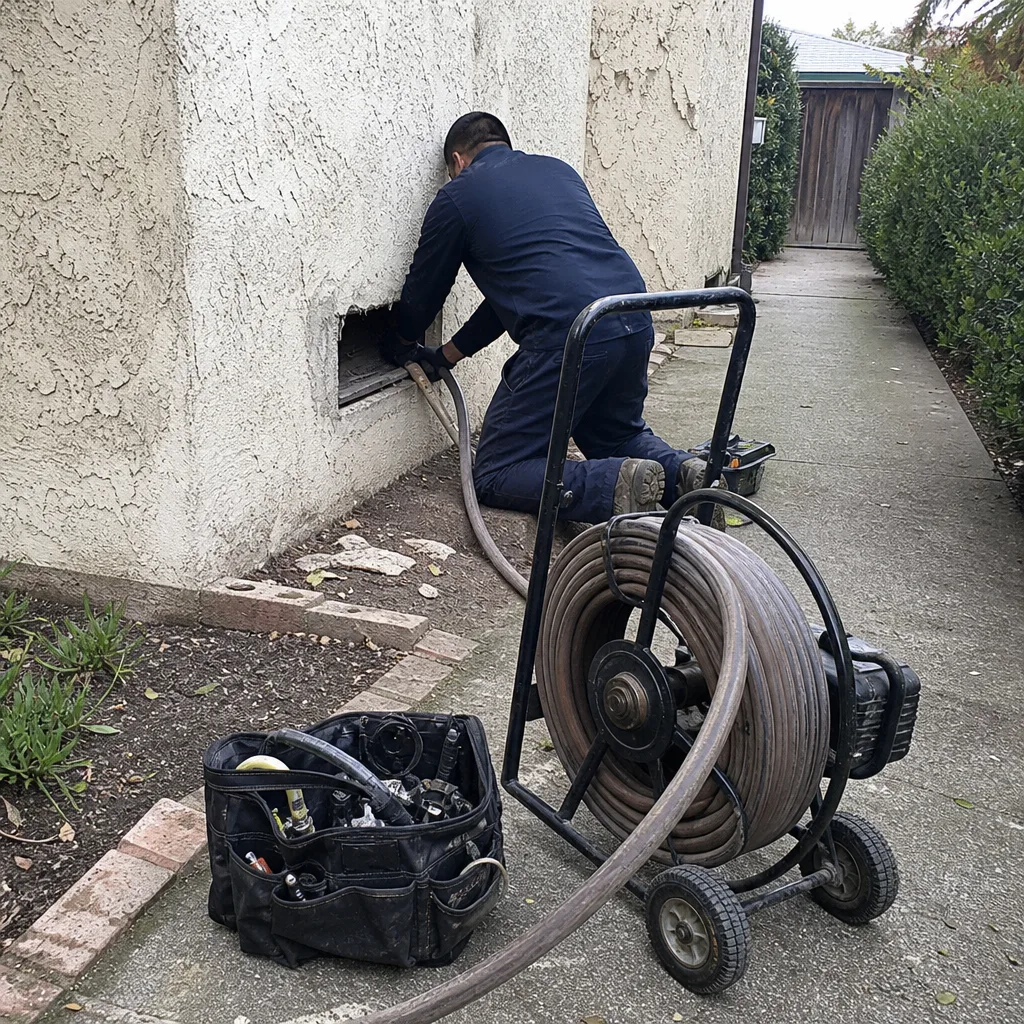 Before
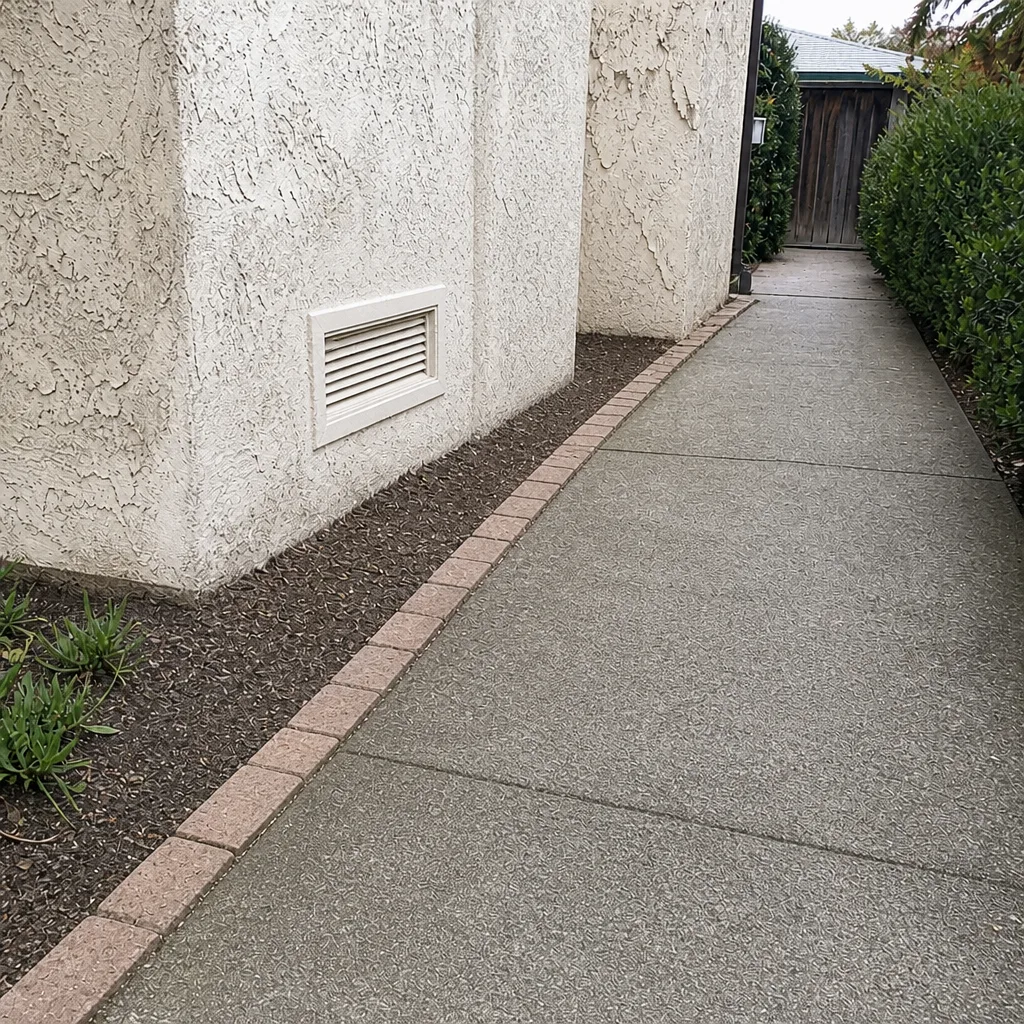 After
When to Call a Professional
Call a professional when the problem is beyond the first register bend, when you suspect mold or biological contamination, when you are buying or selling a North San Jose home and need documentation, when a remodel has filled the ducts with construction dust, or when the system has not been cleaned in years and you have allergy or respiratory concerns in the household. The calculation is capability, not fear. You can do the surface work. You cannot generate system-wide negative pressure with a shop vacuum, and that is what real cleaning requires. Elmwood Air Duct Cleaning offers free estimates in North San Jose – call (855) 506-8636. We answer 24/7. Fast dispatch from 7am to 7pm, Sunday through Friday.
Frequently Asked Questions
DIY is worth it for register cleaning, visible opening vacuuming, and dryer lint trap maintenance in North San Jose homes. It is not a substitute for whole-system cleaning. The equipment that reaches beyond the first foot of duct costs more than a professional job and requires training to operate correctly.
Expect to pay roughly $350 to $650 for a standard single-system home in North San Jose, with the final price set by a written estimate based on system size and access. Call (855) 506-8636 for an exact quote – estimates are free. We answer 24/7. Fast dispatch from 7am to 7pm, Sunday through Friday.
A shop vacuum can clean the visible few inches where a register meets the duct opening. It cannot generate the negative pressure required to pull debris from the full trunk line and branch runs. Worse, the exhaust can recirculate fine dust into the room.
Ask for before-and-after documentation. A professional service should show you the interior condition before and after cleaning, typically through access-point photos. If a company cannot show you what changed, you have no way to verify the work.
Most North San Jose homes benefit from professional cleaning every three to five years. Homes with pets, recent remodels, or residents with respiratory conditions may shorten that interval. The need is driven by what enters the system, not a fixed calendar.
Clean the lint trap and transition hose yourself, and do it regularly. The full vent run through the wall or attic needs professional equipment to clear properly. Lint accumulation deeper in the run is a fire risk, and dryer vent cleaning should be treated as a safety service, not a convenience.
The Bottom Line
DIY duct maintenance has a real place in a North San Jose home. Register cleaning, filter replacement, visible flex-duct inspection, and dryer lint management are all legitimate homeowner tasks. Whole-system cleaning is a different job. It requires negative-pressure extraction, rotary agitation, and HEPA filtration working together. The decision comes down to what you are actually trying to accomplish: surface dust control or system-wide air quality. Know where the line falls in your home’s specific layout, and spend your effort there.
Call Elmwood Air Duct Cleaning at (855) 506-8636 for a free estimate in North San Jose. We answer 24/7. Fast dispatch from 7am to 7pm, Sunday through Friday.
Written by the team at Elmwood Air Duct Cleaning, serving North San Jose since 2018.