
Last updated November 4, 2026
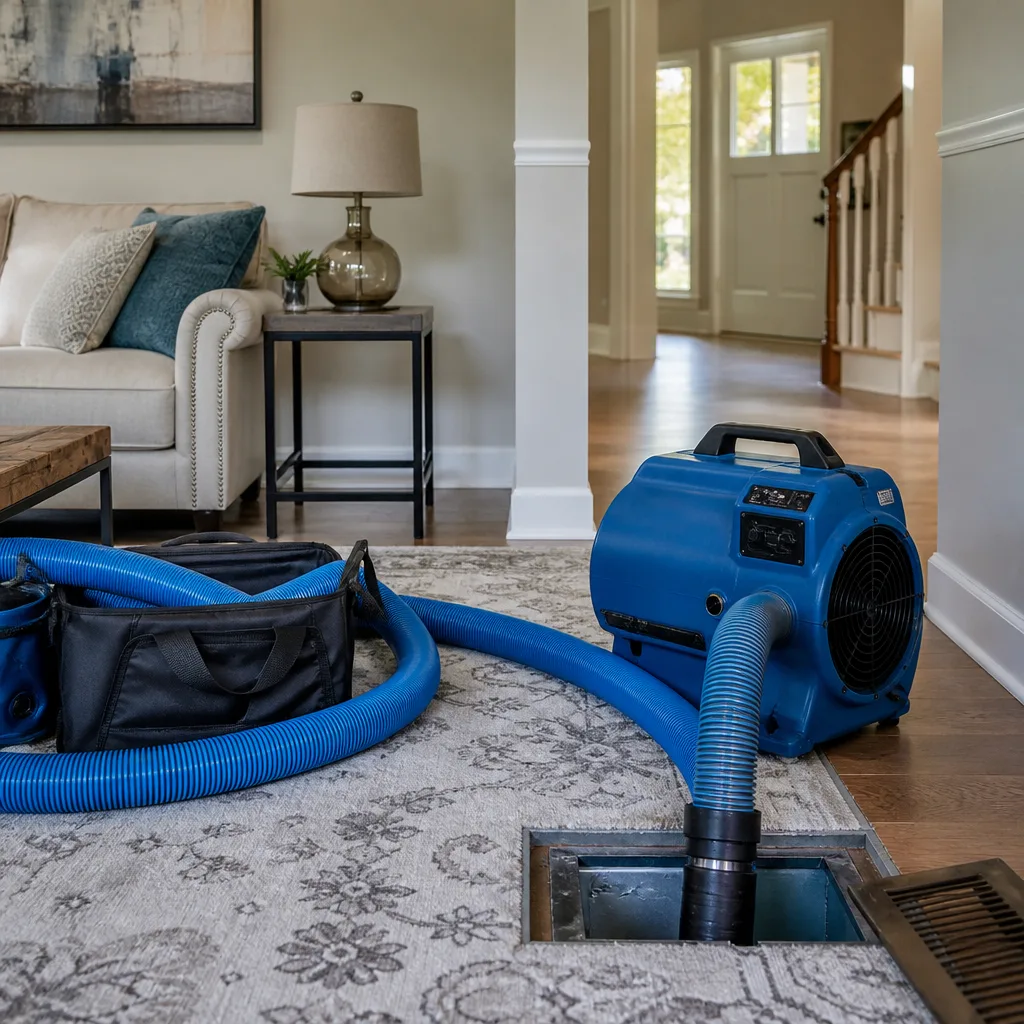 Whole-home duct cleaning
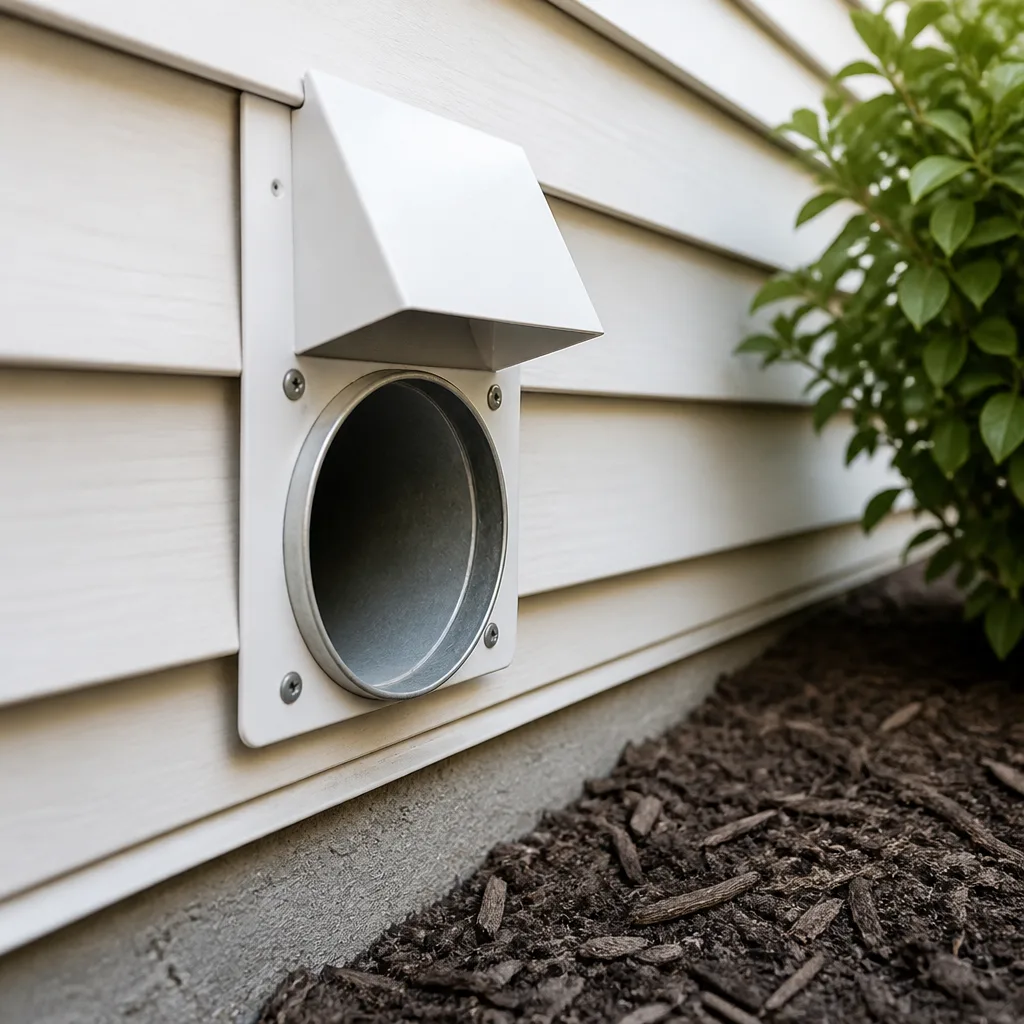 Dryer vent cleaning
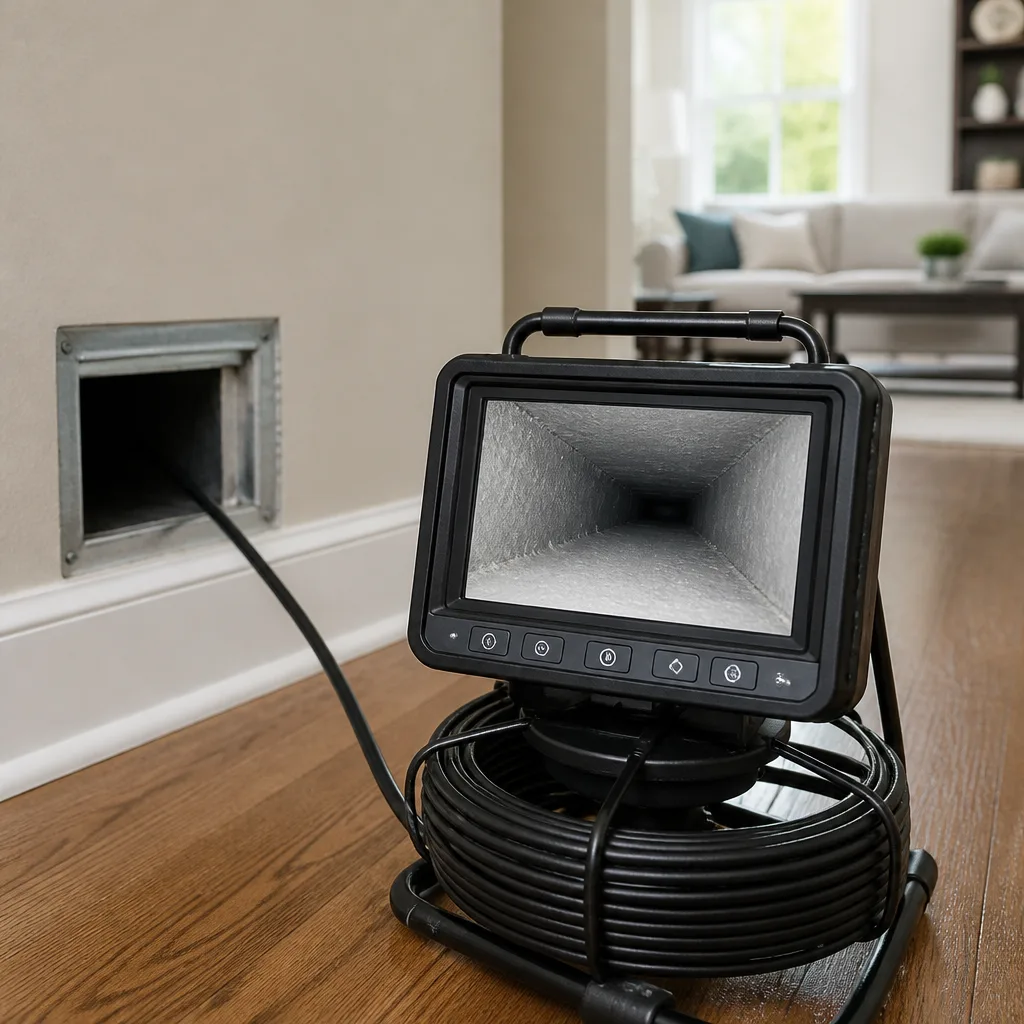 Camera inspection
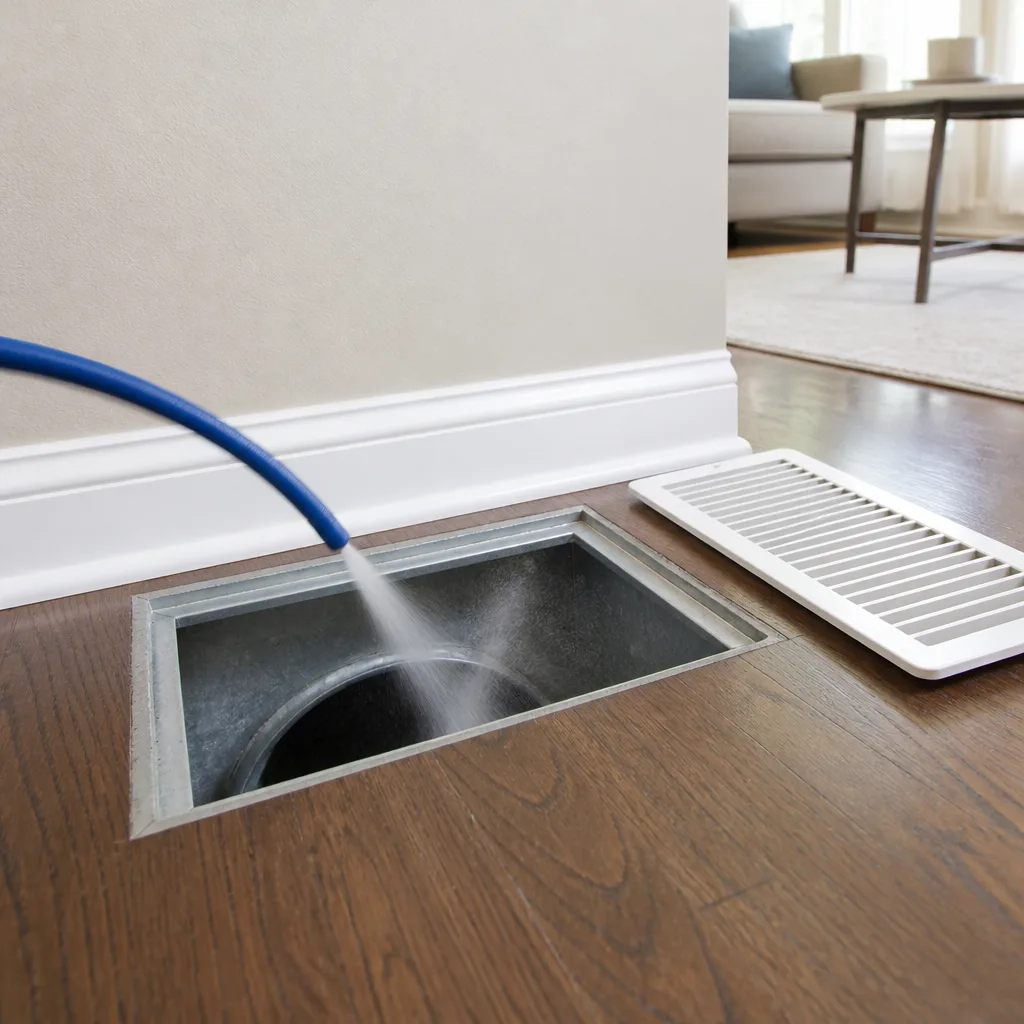 Sanitizing & deodorizing
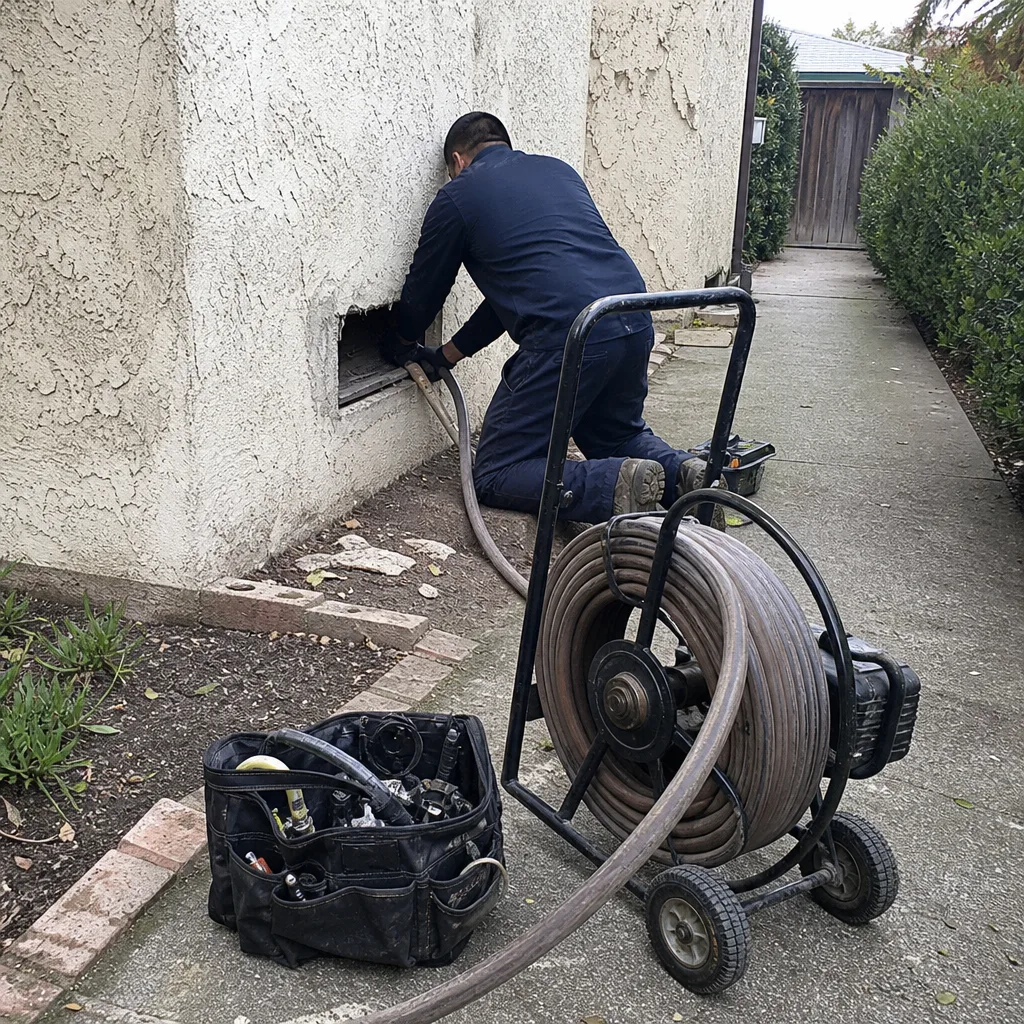
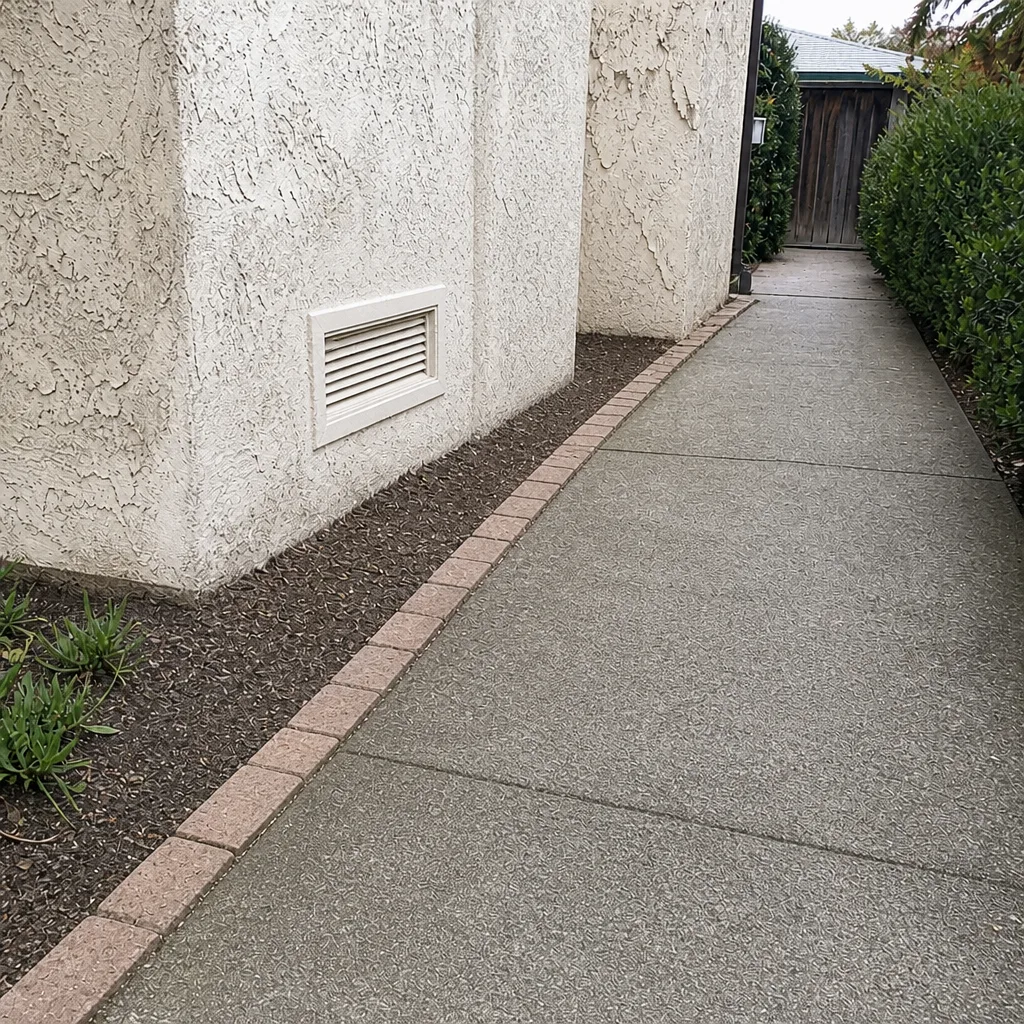
Whole-system duct and dryer vent check with before-and-after photos - you see exactly what came out of your vents
That "$99 whole-house special" is a bait ad - the real number appears once they are in your hallway, or the "clean" is a shop-vac at the register. We photograph the inside of your ducts before and after instead.
Seasonal Air Duct Cleaning Care for North San Jose: Year-Round Homeowner’s Guide
North San Jose doesn’t get the dramatic seasons that fill hardware-store calendars, but the ducts inside the homes here live through a genuine annual cycle. Wildfire smoke, six months of dry-season dust, and the twice-yearly switch between heating and cooling each leave a different kind of residue inside the system. Most homeowners wait for a visible problem (a smell, a dust bloom from a vent, an allergy spike) before thinking about air duct cleaning, and by then the system has usually been carrying the load for months. This guide explains what actually happens inside ductwork across a North San Jose year, what you can inspect yourself each quarter, and when the right call is a professional with equipment built for the job.
Styles & brands we work with
- Whole-home duct cleaning
- Dryer vent cleaning
- Camera inspection
- Sanitizing & deodorizing
Quick Answer
Seasonal air duct care in North San Jose means matching your inspection and cleaning schedule to four distinct periods: post-wildfire smoke assessment in fall, the spring heating-to-cooling switchover when mold risk peaks, the long dry summer season when dust load is highest, and the mild winter when under-used duct branches collect debris. The single most important home check is a quarterly filter and vent inspection, and the single highest-risk period for duct contamination is the weeks right after a wildfire smoke event.
Table of Contents
- The Dry Season (June – October): Peak Dust Load and Continuous HVAC Runtime
- After Wildfire Smoke: What PM2.5 Infiltration Does to Ducts
- The Spring Switchover: Heat to Cool and the Mold Nucleation Window
- Winter in a Mild Climate: Why Unused Duct Branches Collect Debris
- The Seasonal Action Calendar: What to Check Yourself, Quarter by Quarter
- When a Professional Equipment-Based Assessment Makes Sense
- Common Mistakes to Avoid
- When to Call a Professional
- Frequently Asked Questions
- The Bottom Line
The Dry Season (June – October): Peak Dust Load and Continuous HVAC Runtime
North San Jose’s dry season is the six months when moisture disappears from the air and the cooling system rarely rests. From roughly June through October, the HVAC blower runs for hours a day, pulling return air through the filter and pushing conditioned air through supply ducts. The outdoor environment is dry, and the ground in the North San Jose valley is dusty. Every time a door opens, every time shoes come in from the yard, every time a window stays cracked for cross-breeze, airborne particulate enters the home and gets drawn into the return path.
What settles inside ductwork during this stretch is not just household dust. It is a mix of fine clay and silt particles from dry soil, pollen that remains airborne in the absence of rain, and skin cells and textile fibers from indoor activity. Because the cooling coil runs cold during the dry season, condensation forms on the coil surface when the system is cooling, but the air moving past it is dry. That imbalance is important: the coil gets damp, but the duct interior stays dry, so what accumulates there is loose, fine, and easily re-suspended into the air stream.
Homeowners in North San Jose should do three specific checks during the dry season:
- Return-air filter check every 30 days. During continuous cooling runtime, a filter that would last three months in a mild season can load up in four to six weeks. Hold it up to a light. If you cannot see light through it as clearly as a new one, it is doing its job and is due for replacement.
- Supply vent dust pattern check. Look at the wall or ceiling around each supply register. A faint gray smear or dust ghosting on the surface, especially near the register edges, indicates particulate is bypassing the filter or is being blown out of the duct interior.
- Return grille inspection. The return grille is where room air enters the system. Dust accumulation on the grille face is a visible sign of what is also collecting inside the return duct run behind it.
The dry season is when professional rotary-brush cleaning makes the most measurable difference. Dust that has baked into a loose but even layer across the duct floor and walls is exactly what a Rotobrush system is designed to dislodge and capture, rather than push deeper.
After Wildfire Smoke: What PM2.5 Infiltration Does to Ducts
The Bay Area’s wildfire smoke events are the single most overlooked driver of duct contamination in North San Jose. A home does not need to be near a fire for smoke to enter. Fine particulate matter, the PM2.5 fraction that is small enough to penetrate deep into lung tissue, travels dozens of miles and enters homes through ventilation openings, door gaps, and even the normal operation of the HVAC system itself if the filter is not rated for that particle size.
What homeowners often miss is that smoke is not just an outdoor air problem. During a heavy smoke event, outdoor PM2.5 levels rise sharply. If the HVAC system continues to run with a standard MERV 8 or lower filter, the blower pulls smoke-laden outdoor air into the return, passes it through a filter that is too coarse to stop the smallest particles, and distributes it through every supply duct in the home. What then happens is predictable: fine soot and smoke particulate settle onto the interior surfaces of the ductwork, the coil, and the blower housing.
Here is what to look for after a North San Jose wildfire smoke event:
- Look at the filter. Remove the return-air filter and examine the color. If it is gray or brown instead of its usual light shade, the system has been processing smoke particulate. That deposit did not all stop at the filter grade you are using.
- Smell the supply air at system start. Turn the blower on without the heating or cooling load, if your system allows fan-only operation. A faint campfire or char note from the vents, even weeks after the last smoke, indicates particles have settled inside the duct interior or on the coil.
- Check the vent surfaces. Smoke residue often appears as a fine, slightly greasy gray film on plastic vent covers and nearby wall areas. Dust is dry and wipes clean with a dry cloth. Smoke residue leaves a smudge that needs a damp cloth.
A conventional filter change is not enough after a significant smoke event. The duct interior and the cooling coil hold what the filter missed. In our experience in North San Jose, homes that go through a smoke season with a standard filter and no post-event duct assessment usually carry that particulate load until the next cleaning cycle, and the smell or visible residue returns each time the system gets a fresh filter but no duct service.
The Spring Switchover: Heat to Cool and the Mold Nucleation Window
April and May in North San Jose mark the transition from the occasional heating cycle to the first sustained cooling days of the year. This is the highest-risk window for mold nucleation inside ducts, and the reason has more to do with the coil and the dormant debris inside the ductwork than with any dramatic outdoor weather event.
During winter, the furnace cycles on and off, usually in short bursts on cool mornings and evenings. The blower runs less often, air velocities are lower, and particulate that would be pushed through the system during summer instead settles in low-flow spots: inside branch ducts that serve rooms on the far side of the plenum, along the bottom of return runs, and on the heat exchanger surface. The heating season also dries things out. Relative humidity in a North San Jose winter is not severe by national standards, but the indoor environment in cooled or heated homes is dry enough that the duct interior becomes a static, dusty environment.
Then spring arrives. The first warm days trigger cooling demand. The coil gets cold. The air in the home, particularly after the first rain-adjacent humidity rises of the season, holds more moisture. The blower now runs longer at full cooling speed, pulling humid indoor air across a cold coil. Condensation forms. Fine, settled dust that has been parked on the coil fins and in the duct interior gets damp for the first time in months.
That combination (moisture, accumulated organic particulate, and a period of a few weeks before the system fully dries into summer cooling mode) is precisely when mold spores, which are always present at low levels, can find enough food and moisture to germinate on the coil surface and the duct liner near the coil. The smell is often the first sign: a musty or earthy note from the vents on the first few cooling cycles of the season.
What to do during the spring switchover in North San Jose:
- Run the fan-only mode for thirty minutes before the first cooling cycle. This dries any condensation present and pushes loose dust toward the filter before the coil gets cold and wet.
- Inspect the coil area if accessible. Most North San Jose homes have the coil mounted at the indoor air handler or furnace. If you can remove the access panel safely and without touching the coil fins, look for visible dust matting on the coil surface. A damp, dusty coil is the first place mold starts.
- Change the filter before the season’s first hot stretch, not after. A fresh filter lowers the particulate load available to feed any microbial growth during the damp transition weeks.
If the musty smell persists beyond the first week of cooling, the coil or duct interior has likely retained enough damp organic debris to require professional cleaning. Our service includes the coil and the duct surface, not just the visible vent runs, and we use Nikro HEPA filtration so the particulate we dislodge is captured, not recirculated back into the living space.
Winter in a Mild Climate: Why Unused Duct Branches Collect Debris
North San Jose winters are mild by national standards. Heating systems cycle on fewer hours per day, and some homeowners go weeks at a time without running the furnace at all. That under-use, not the outdoor cold, is the winter duct problem in this climate.
When a forced-air system runs in cooling mode all summer, the air velocities inside the ducts keep fine particulate suspended and moving. Even though cooling season deposits dust, it also pushes particulate toward the filter on every cycle. In winter, those cycles stop or shorten. The system sits idle for long stretches. Dust that was suspended in the branch runs settles out under gravity. The far branches, the ones that serve bedrooms at the end of the duct trunk, collect the most because the air has less velocity by the time it reaches them.
Two specific winter behaviors in North San Jose make this worse than in colder climates:
- Short heat cycles. The furnace runs for fifteen or twenty minutes on a cool morning, then sits for hours. That is enough time to disturb only a fraction of the settled dust, then let the rest fall again as soon as the blower stops.
- Occasional window-opening days. North San Jose gets enough mild, sunny winter afternoons that windows open to ventilate. Outdoor dust in the dry winter air enters the return path, and if the system does not run that day, the new dust simply parks in the ducts.
The winter check is simple: pay attention to the first furnace start after a long idle stretch. A brief dust bloom from the supply vents, visible as a small puff of particles in the first seconds of airflow, is a normal but telling sign. It means the duct interior has accumulated enough loose material to become airborne on startup. That is the material you are breathing, and it is also the material that will stay mobile through the spring and summer runtime ahead.
Winter is also when heat-exchanger dust becomes a smell issue. Dust that has settled directly on the warm exchanger surface will burn off as a faint hot-dust odor on the first winter fire-up. That smell clears quickly in a clean system. If it persists for more than a cycle or two, the exchanger or the duct immediately downstream is carrying a heavier particulate load than simple burn-off can clear.
The Seasonal Action Calendar: What to Check Yourself, Quarter by Quarter
This calendar is the practical core of the guide. Each quarter names the specific North San Jose air-quality risk, what you can inspect in under ten minutes, and when the right move is to call in professional equipment. Use it as a standing home-maintenance rhythm, not a one-time checklist.
January – March: Mild Winter, Dormant Duct Branches
- Risk: Settled dust in low-flow branches from short, infrequent heat cycles.
- DIY check: Note any dust bloom or hot-dust smell on the first furnace startup after an idle week.
- Professional trigger: The startup smell persists past two cycles, or visible dust keeps appearing around supply vents.
April – May: Spring Switchover, Mold Nucleation Window
- Risk: Damp coil and damp settled dust meeting for the first time after dry months.
- DIY check: Run fan-only for thirty minutes before the first cooling cycle. Inspect the coil surface for dust matting if safely accessible. Change the filter.
- Professional trigger: Musty odor from vents on early cooling cycles that does not clear within a week.
June – October: Dry Season, Peak Dust Load and Runtime
- Risk: Continuous cooling runtime pulling dry-season dust through a filter that loads quickly.
- DIY check: Filter check every 30 days. Watch for dust ghosting around supply register edges.
- Professional trigger: Dust reappears within days of a deep clean, or register ghosting is visible in multiple rooms.
November – December: Post-Smoke Season, Particulate Residue
- Risk: PM2.5 and fine soot residue from wildfire smoke events earlier in the fall.
- DIY check: Inspect filter color. Smell supply air at fan start. Check vent surfaces for gray, greasy film.
- Professional trigger: Filter is brown or gray, the supply air carries a char note, or vent residue smudges instead of dusting clean.
One point worth naming directly: this calendar assumes the system was clean to begin with. If you have owned the home for years and never had the ducts assessed, or you inherited the system from a previous owner, the first step is a professional assessment to establish a baseline. After that, the quarterly rhythm keeps things from drifting back out of control.
When a Professional Equipment-Based Assessment Makes Sense
The difference between a duct cleaning that actually removes particulate and one that simply stirs it around is the equipment at the far end of the hose. Portable shop-vac setups cannot generate the airflow or reach the full duct run. Professional rotary-brush systems, like the Rotobrush equipment we run, mechanically dislodge the compacted layer that settles onto duct walls after months or years of occupancy. The brush rotates against the duct interior, breaking the dust layer free, while a HEPA-filtered vacuum captures the particulate at the brush head rather than exhausting it back into the room.
We run Nikro HEPA-rated vacuum systems on-site for exactly this reason. Fine particulate, especially post-smoke residue and fine dry-season dust, is what escapes a low-end setup. HEPA filtration captures the fraction that would otherwise stay airborne for hours after the cleaning is done. For homes with whole-house filtration and humidity control, we work with Aprilaire and Honeywell integrated systems, so the recommendations we make after a duct cleaning fit the equipment already installed in the home. That matters because duct cleaning is only half the answer in a home with a poorly maintained filtration system. The ducts hold what the filter lets through.
Here is what a professional assessment should include, and what we actually do in North San Jose:
- View the duct interior. We use camera access to inspect the interior of the return and supply runs before and after cleaning. You should see the before state and the after state with your own eyes.
- Clean the full duct system, not just the visible vents. Every branch, the plenum, the return drop, and the interior of the main trunk run.
- Clean the coil and blower. These are the components that hold the damp-season residue and the fine particulate that rides the airflow. Skipping them leaves the source in place.
- Report what we find. If we find damaged sections, disconnected joints, or gaps that are pulling attic or crawlspace air into the supply path, we tell you. Elmwood Air Duct Cleaning offers air duct repair as a separate service, so a damaged section gets fixed, not just cleaned around.
Common Mistakes to Avoid
- Treating the filter as the whole answer. A filter stops what passes through it. Everything that got past the filter when it was dirty, or before you upgraded to a higher MERV rating, is already inside the ducts. Changing the filter does not clean the ductwork.
- Waiting for a smell to investigate. By the time a musty or char smell comes from the vents, the contamination has been building for weeks. Smell is a late-stage indicator in duct systems.
- Cleaning only the visible supply registers. Wiping the vent covers makes the room look cleaner and does nothing for the six to thirty feet of duct behind the wall. The visible register is the tip of the system.
- Using a standard filter during and after wildfire smoke events. A MERV 8 filter catches large dust but lets the fine PM2.5 fraction through. After a smoke event, that fraction is the entire problem.
- Assuming North San Jose’s mild climate means the ducts stay clean. The mildness is exactly the problem. The system runs enough to pull dust in, and not enough in winter to push it all the way through. Mild-climate duct systems are among the dustier ones we see.
- Skipping the coil during a duct cleaning. A duct service that skips the coil leaves the dampest, dirtiest component in the system untouched. The ducts can be spotless and the air still smell musty because the coil is the source.
- Never checking the return side. The return ducts carry unfiltered air from the living space to the blower. They collect at least as much debris as the supply side, and they are the side most often overlooked because they have no visible register to dust.
When to Call a Professional
Call for a professional assessment when you see dust reappearing within days of a deep clean, when supply register ghosting shows up in multiple rooms, when the first cooling cycles of spring bring a musty odor that does not clear, or when a wildfire smoke event has left your filter brown or gray. Also call if you have owned the home for several years without ever having the duct interior inspected. You do not need to diagnose the exact problem before calling. The point of the call is to get eyes, and equipment, on the interior of the system so you know what you are actually dealing with. Air duct cleaning in a home with a multi-year particulate load is not a maintenance nicety; it is the only way to restore a clean baseline. Dryer vent cleaning is a separate safety service we offer alongside the duct work, since a clogged dryer vent is a fire risk independent of the HVAC ducts. Elmwood Air Duct Cleaning offers free estimates in North San Jose. Call (855) 506-8636. We answer 24/7. Fast dispatch from 7am to 7pm, Sunday through Friday.
Frequently Asked Questions
For most North San Jose homes, a professional cleaning every 2 to 4 years is a defensible schedule, but the real answer depends on what lives in the home and what the air outside did that year. Homes with pets, homes that went through a wildfire smoke season, and homes with occupants who have allergy or respiratory conditions sit closer to the 2-year end. Homes with no pets, upgraded filtration, and no smoke exposure can stretch toward 4 years. Call (855) 506-8636 and we will help you figure out where your system sits. We answer 24/7.
Yes, and the reason is runtime more than the dust itself. The cooling system runs hundreds more hours per month in the dry season than the heating system does all winter. That longer runtime pulls more particulate through the return path, and the dry outdoor conditions mean more fine soil and pollen particulate is available to be pulled in. The dust load inside a duct system is a function of runtime and air quality together, and North San Jose’s dry season maximizes both.
The spring switchover is when moisture and settled dust first combine after months of dry conditions. The coil gets cold and wet when cooling starts, and the dust that settled on it during winter provides the food source mold needs. By midsummer, the system usually dries into a steady cooling rhythm and the smell fades, but the mold or bacterial growth that started in spring does not disappear from the coil on its own. It waits for the next damp transition. A professional coil and duct cleaning is the fix, not waiting for summer to hide the symptom.
Change the filter first, and inspect it before you throw it away. If it is brown or gray, the system has been processing smoke particulate and the duct interior is carrying the rest of what the filter missed. Run the fan-only mode to circulate and capture whatever is loose. Then assess the supply air at fan start for a char note. If the filter showed heavy loading or the air smells of smoke from the vents, a professional duct and coil assessment is the responsible next step.
A shop vac with a flexible hose can reach the first few feet of duct from the register, and that is where it stops. The brush on the end of a consumer hose cannot generate the rotation or contact force needed to break the compacted dust layer on the duct walls, and the vacuum cannot pull enough airflow to capture what you do dislodge. The result is usually dust loosened and left to blow back into the room on the next cycle. Professional rotary-brush systems like the Rotobrush equipment we run are designed for the full duct length and the airflow they need to capture what they remove.
Duct cleaning and whole-home filtration do different jobs. The Aprilaire or Honeywell system manages what passes through the air handler on an ongoing basis. The ducts hold what has already settled upstream of that equipment. A home with an integrated filtration system still needs periodic duct and coil cleaning, because the filter cannot remove what has already adhered to the duct walls. The sequence that makes sense in North San Jose is to clean the ducts and coil first, then let the filtration system maintain the clean baseline. We work with both Aprilaire and Honeywell systems, so our recommendations after a cleaning match the equipment you have installed.
The equipment and the scope drive the price gap. A low-cost service typically uses a portable vacuum and spends under an hour at the home. It cannot clean the full duct run, the coil, or the blower, and the particulate it disturbs is often recirculated rather than captured. Our pricing reflects a full-system clean with rotary-brush agitation and HEPA capture, including the coil and blower, and the job takes the time the system requires. The written estimate we give you before work starts sets the final price, so you know exactly what you are paying for and what the service includes. Call (855) 506-8636 for an exact quote. We answer 24/7.
The Bottom Line
North San Jose’s air quality calendar is defined by dry-season dust, wildfire smoke windows, the spring heat-to-cool transition, and mild-winter under-use. Each leaves a different kind of deposit inside the ducts, and each calls for a different response. The quarterly inspection rhythm in this guide is your highest-leverage habit: a filter and vent check per quarter catches most contamination before it becomes a smell, a health trigger, or a musty first summer cycle. When the problem is beyond a filter change, the right tool is a rotary-brush system with HEPA capture, not a shop vac. Elmwood Air Duct Cleaning runs Rotobrush and Nikro equipment in North San Jose, and we repair duct damage when we find it. If you have not seen the inside of your ducts in years, that is the only fact you need to pick up the phone. Call (855) 506-8636 for a free estimate. We answer 24/7. Fast dispatch from 7am to 7pm, Sunday through Friday.
Written by the team at Elmwood Air Duct Cleaning, serving North San Jose since 2018.
See the difference
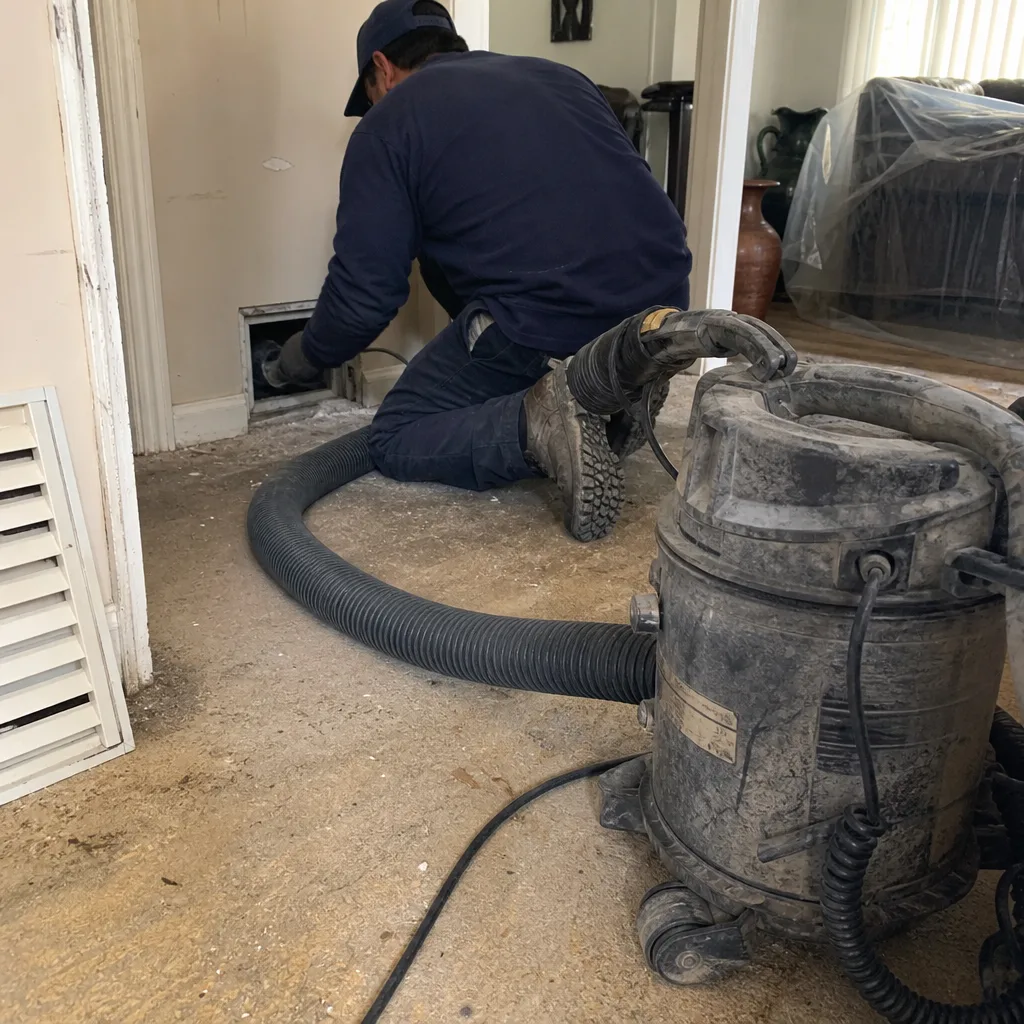 Before
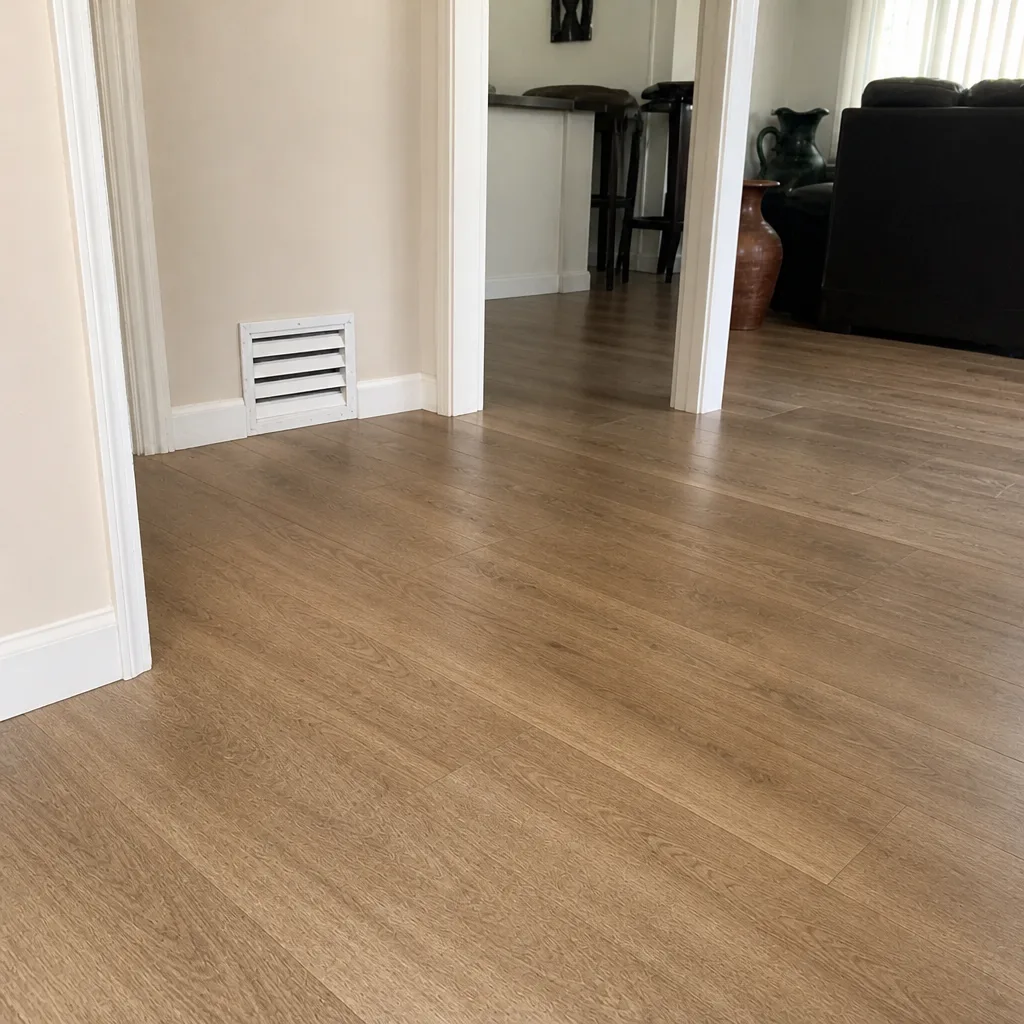 After
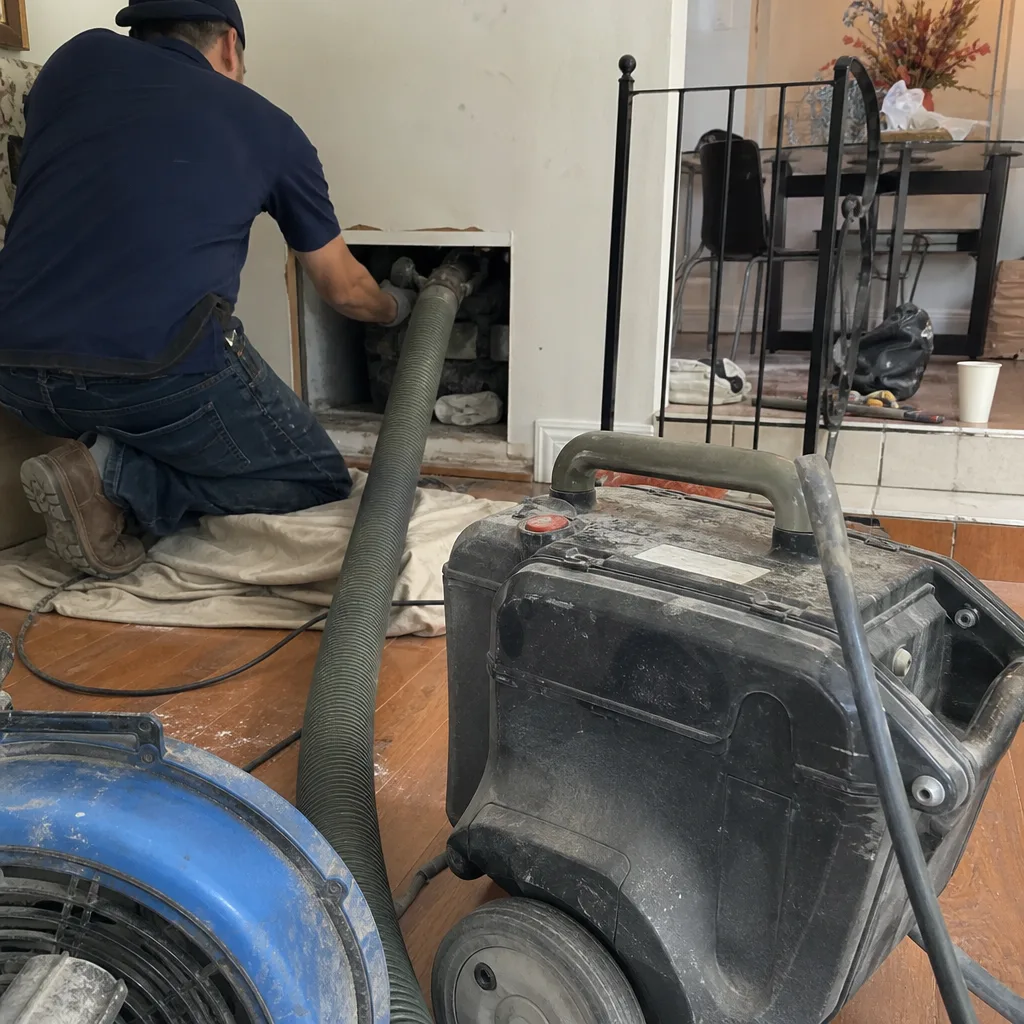 Before
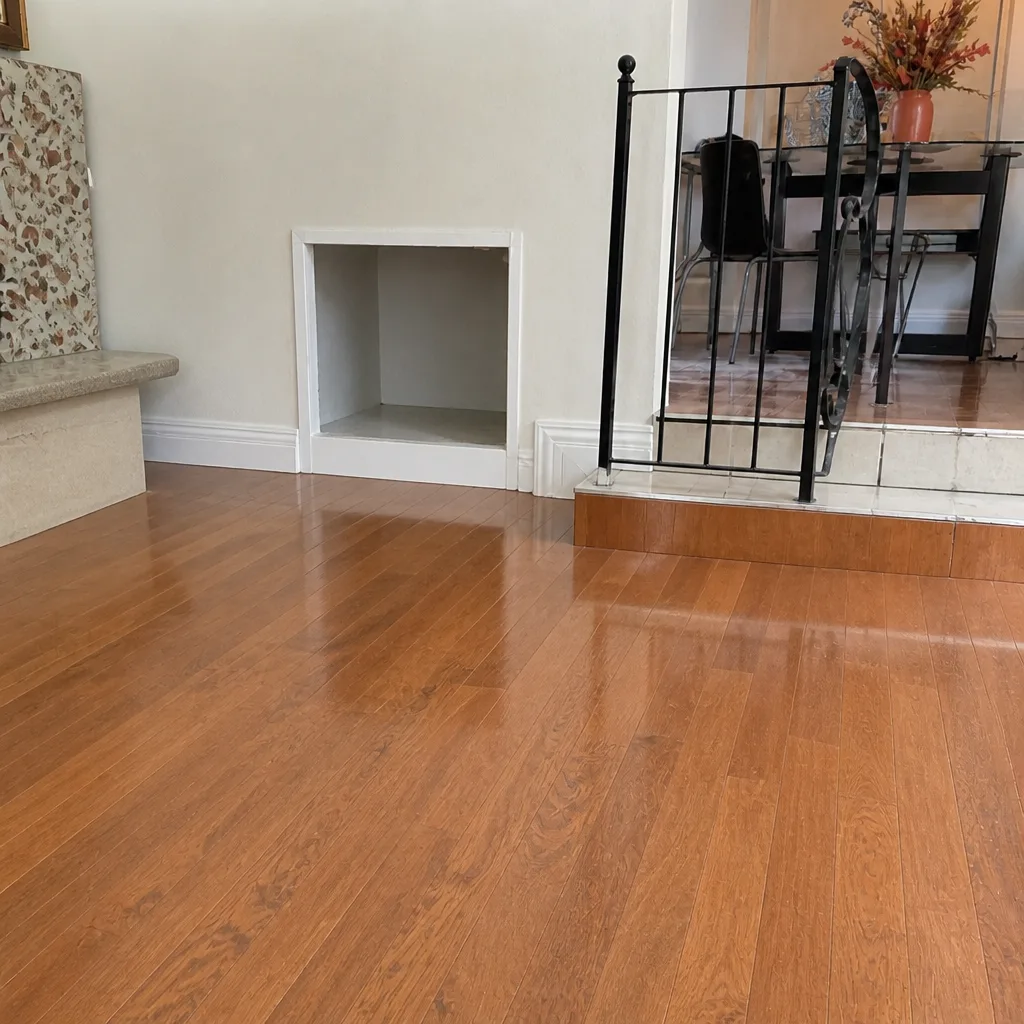 After
 Before
 After