Last updated November 4, 2026
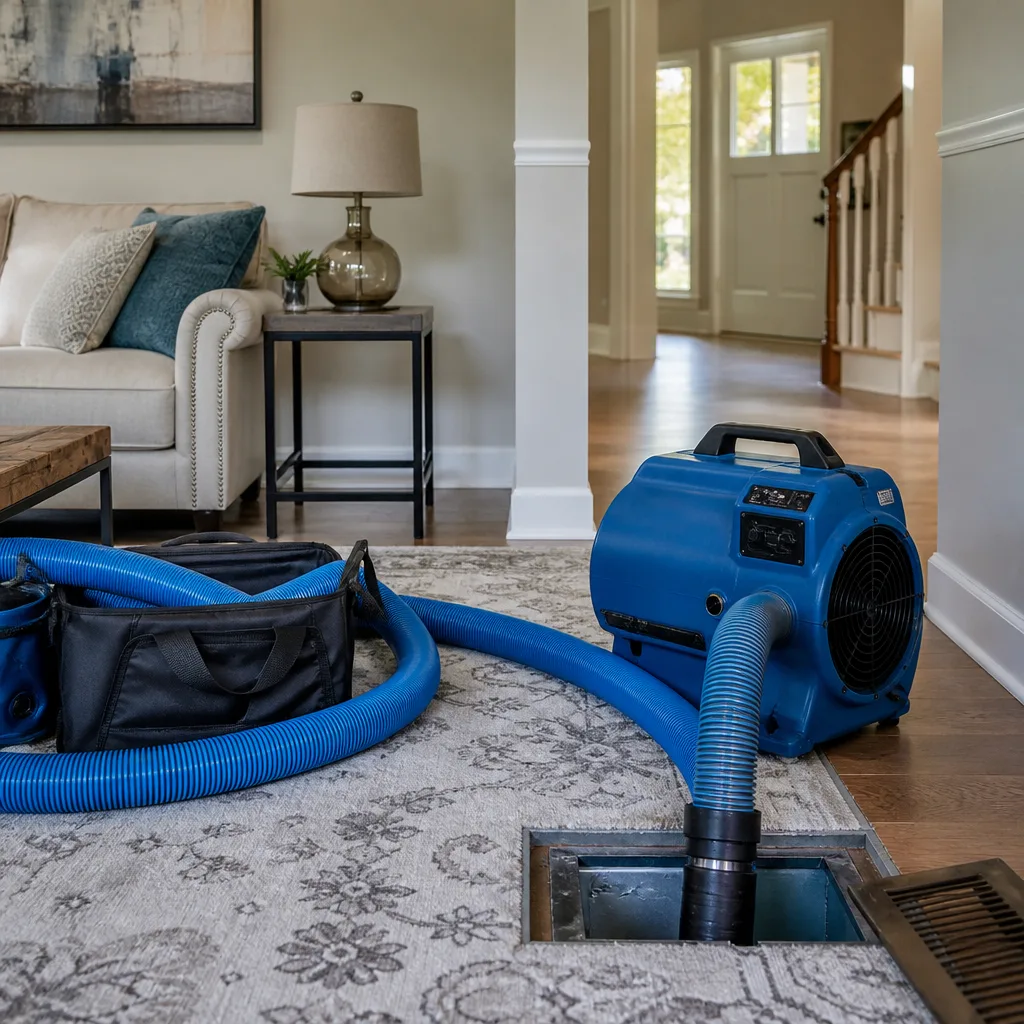 Whole-home duct cleaning
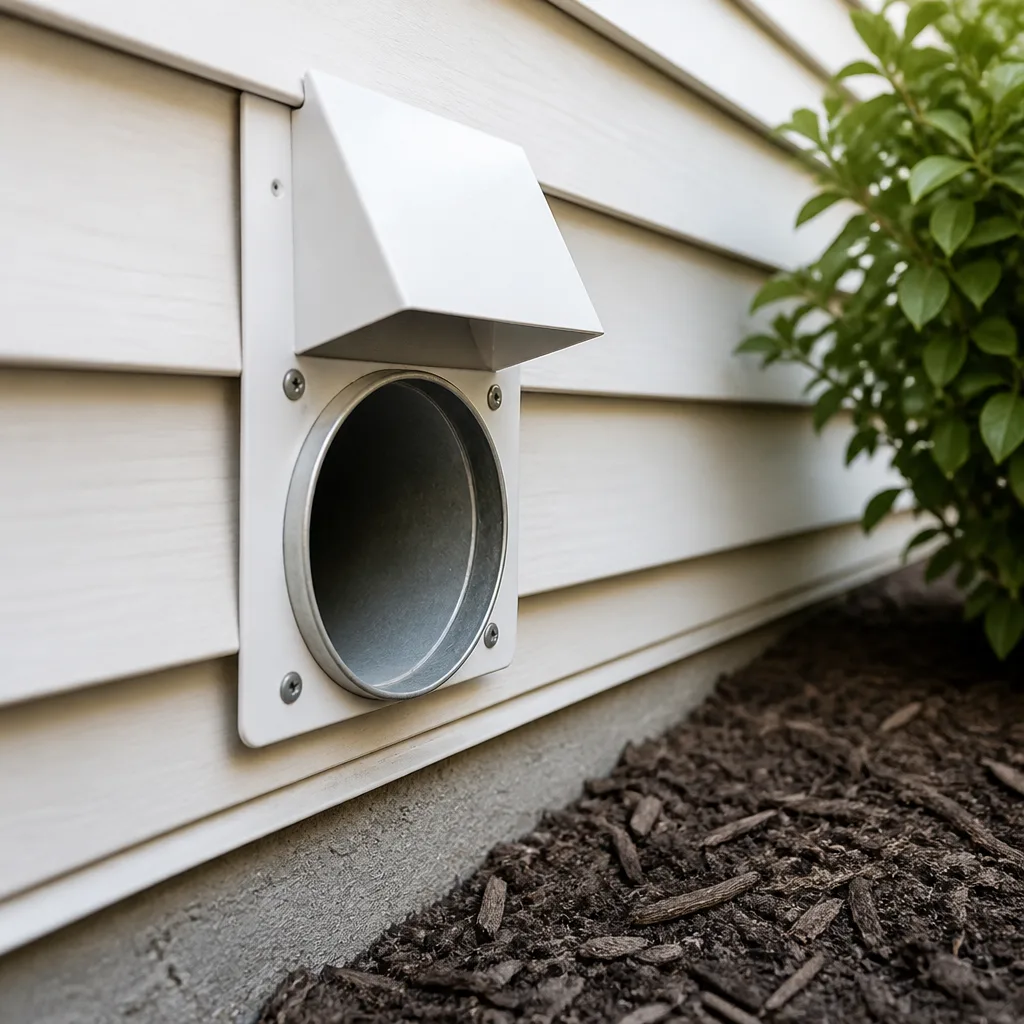 Dryer vent cleaning
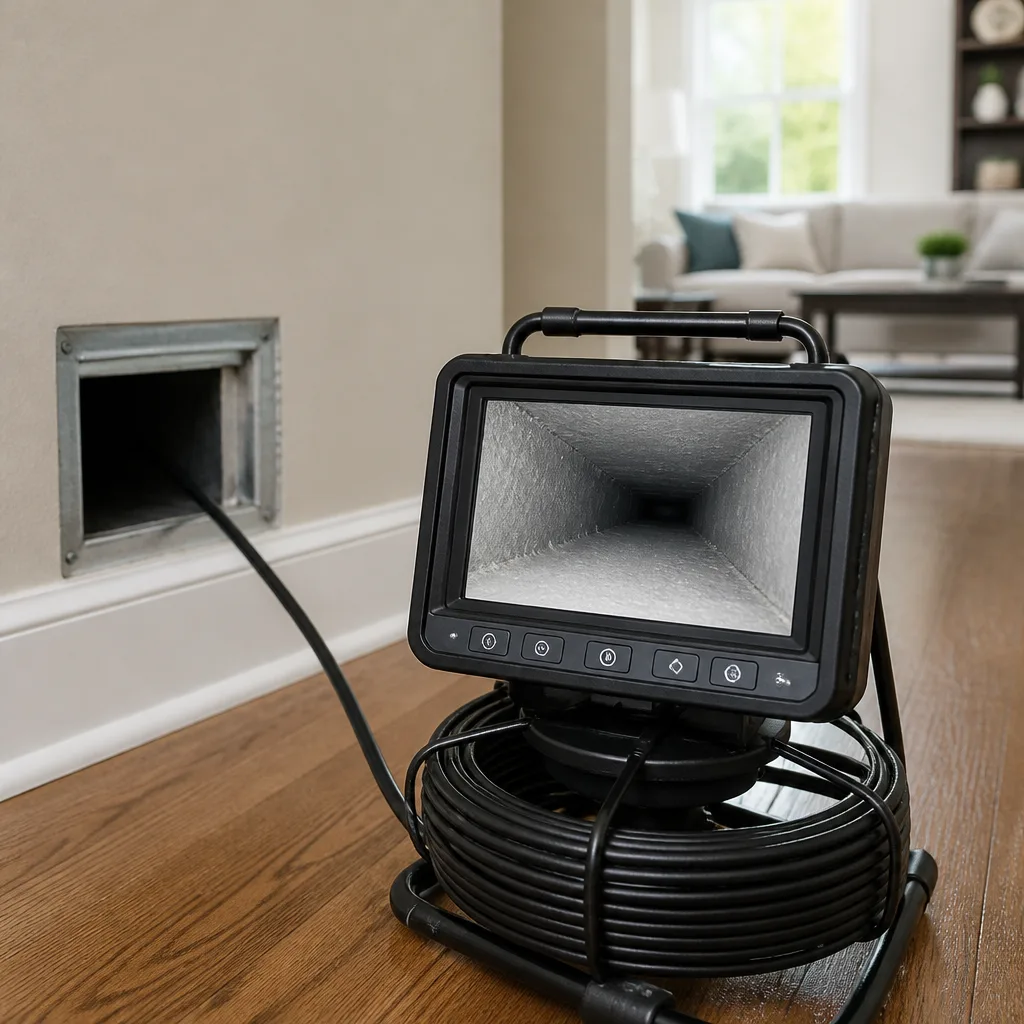 Camera inspection
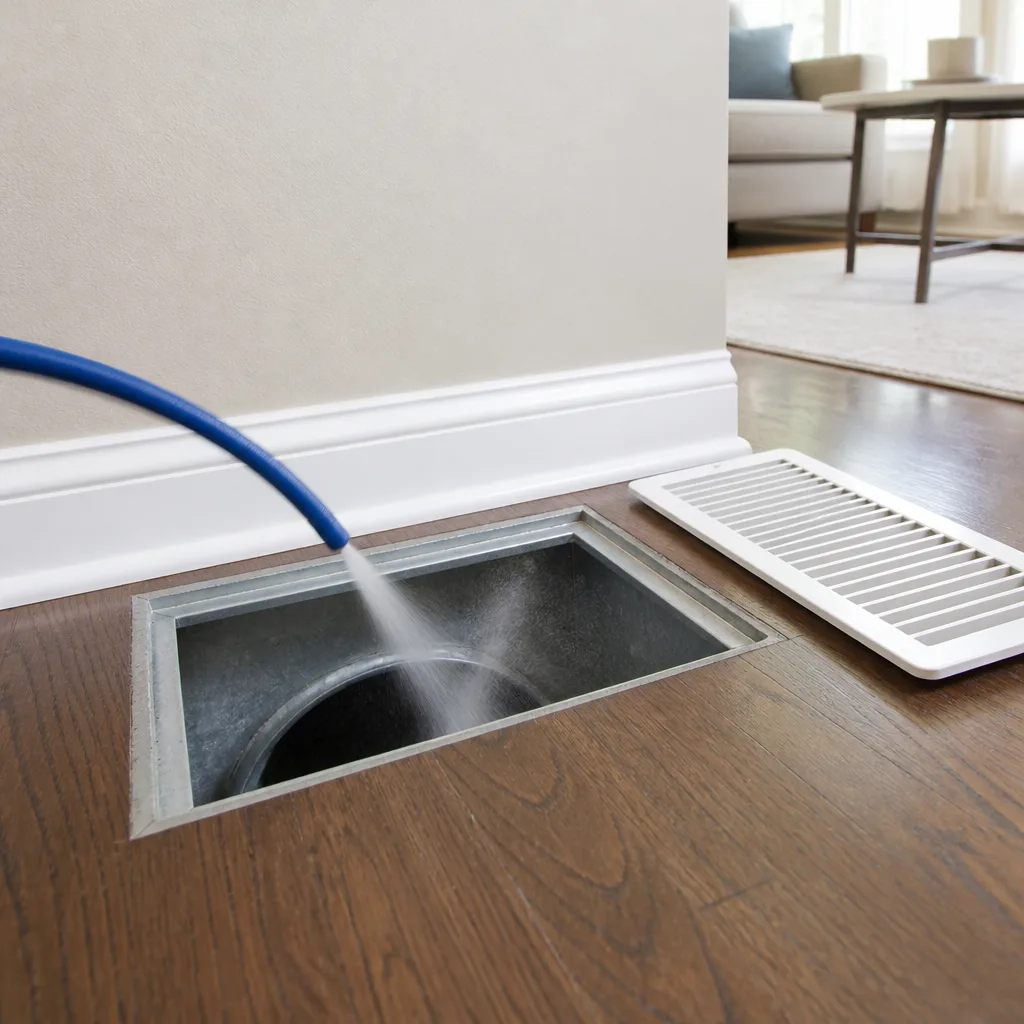 Sanitizing & deodorizing
Whole-system duct and dryer vent check with before-and-after photos - you see exactly what came out of your vents
That "$99 whole-house special" is a bait ad - the real number appears once they are in your hallway, or the "clean" is a shop-vac at the register. We photograph the inside of your ducts before and after instead.
How to Hire an Air Duct Cleaning Contractor in North San Jose: A Step-by-Step Guide
In California, a person can legally market themselves as an air duct cleaning professional with no certification, no specialized equipment, and no training. Many do exactly that. The barrier to entry is a van, a website, and a willingness to knock on doors. This guide exists because the real challenge in North San Jose is not finding someone who says they can clean your ducts. It’s identifying the contractor who actually has the machinery, the process, and the willingness to document the work. By the time you finish reading, you’ll know exactly which questions separate the real operators from the guys with a shop vac and a sticker on the door.
Quick Answer
Hiring an air duct cleaning contractor in North San Jose comes down to three things: verifying the equipment they use (professional rotary-brush and HEPA-vacuum systems, not portable shop vacs), understanding how they price the job (on-site assessment first, fixed quote in writing), and confirming what they’ll document before and after. Call (855) 506-8636 for a free estimate and ask the questions in this guide. A qualified contractor will welcome them.
Styles & brands we work with
- Whole-home duct cleaning
- Dryer vent cleaning
- Camera inspection
- Sanitizing & deodorizing
Table of Contents
- Start With the Equipment, Not the Reviews
- How Pricing Actually Works in North San Jose
- What NADCA Membership Does and Doesn’t Mean
- The Walkthrough: 9 Questions That Reveal Everything
- What the Contract Should Specify
- What Happens When Mold is Found Mid-Job
- Common Mistakes to Avoid
- When to Call a Professional
- Frequently Asked Questions
Start With the Equipment, Not the Reviews
Most people start their search for air duct cleaning by reading reviews. That’s backwards. Duct cleaning is an equipment-dependent trade, and the gap between a professional setup and a consumer-grade one determines whether the job actually removes debris or just relocates it. In our experience in North San Jose, homeowners who ask about machinery first end up with cleaner ducts. Homeowners who ask about price first end up with a cheap job and a lingering smell.
The single most important question you can ask any contractor is: “What vacuum system do you use, and what’s its CFM rating?”
CFM stands for cubic feet per minute. It measures how much air the vacuum moves. A professional truck-mounted system typically moves between 2,000 and 5,000 CFM. A portable unit you can rent at a hardware store often moves under 1,000 CFM. The difference matters because your home’s duct volume in North San Jose, where many homes range from 1,200 to 2,800 square feet, requires sustained negative pressure to pull debris through duct walls. A weak vacuum agitates dust but can’t carry it out. The dust settles back down the moment the agitation stops. You paid for the cleaning, but the debris never left the building.
Here’s the shortlist of equipment questions to ask before booking:
- What vacuum and agitation system do you use? Look for rotary-brush systems paired with HEPA-rated vacuums. Elmwood Air Duct Cleaning runs Rotobrush rotary-brush systems and Nikro HEPA vacuum units. A rotary brush physically scrubs the duct interior walls. A HEPA vacuum captures what the brush loosens. Both are needed.
- Is the vacuum mounted on the truck or is it a portable unit? Truck-mounted systems pull far more air than portables. Portable units have their place for tight access, but a truck-mounted system is generally stronger.
- How do you control contamination during the job? A proper setup uses negative pressure containment. That means the vacuum creates a constant inward airflow so dust never escapes into your living room. Without it, the process can make things worse.
- What do you do after the vacuum runs? Some companies stop there. Better contractors run a final inspection with a camera to show the result. You should see the interior of your ducts before and after.
North San Jose sits in a mild inland climate. We don’t deal with snow or freeze-thaw cycles, but we do deal with dust that settles over months of dry weather, construction particulate from the tech campuses and new builds, and pollen from the valley oaks. None of that leaves on its own. It compacts into the duct walls and along the return plenum. A rotary brush is what breaks that compaction loose. A shop vac does not.
How Pricing Actually Works in North San Jose
Duct cleaning pricing in North San Jose is less standardized than you might expect. Some companies quote by the vent. Some quote by the square foot. Some charge by the hour. What matters is not the unit of measurement. It’s whether the quote is based on an on-site assessment or pulled from a price sheet over the phone.
Here’s the uncomfortable truth: a flat-rate price given over the phone without knowing your home’s square footage, duct count, or access points is not a convenience. It’s a warning sign.
Duct systems vary. A 1,400-square-foot single-story ranch in Berryessa has different duct volume and access conditions than a 2,600-square-foot two-story in Alviso. A legitimate contractor needs to see the system, count the registers, locate the returns, and check the access to the main trunk line before pricing the job. If a company quotes you $99 over the phone for the whole system, you are being quoted the price to get a van in your driveway, not the price to clean your ducts.
Here’s what a real pricing conversation looks like:
- The contractor asks about your home. Square footage, number of floors, number of supply registers and returns, whether the system has ever been cleaned, whether anyone in the home has allergies or a respiratory condition.
- The contractor schedules a walkthrough. This is an in-person visit to assess access, check the furnace and air handler, look at the return plenum, and identify any visible issues like disconnected duct runs or water staining.
- The contractor gives you a written estimate. The price is fixed per job, not per vent. You should know the total before work begins. No add-ons, no pressure.
- The work gets done, and you get documentation. Before-and-after photos, a summary of what was removed, and any findings about repairs or filter conditions.
Typical whole-system cleaning in North San Jose generally falls in the $400 to $900 range for a standard single-family home, depending on system size and complexity. Homes with multiple zones, long duct runs, or elevations with difficult access run higher. The written estimate sets the final price. Anyone who won’t put a fixed number in writing before starting is not someone you want working in your ductwork.
We also handle dryer vent cleaning as its own service. It’s not an upsell add-on. It’s a fire-safety job with its own pricing and process.
What NADCA Membership Does and Doesn’t Mean
NADCA, the National Air Duct Cleaners Association, is the closest thing this industry has to a professional standard. A NADCA membership signals that a contractor has committed to following published cleaning standards. It means they’ve agreed to use negative-pressure containment and to clean all components of the system, not just the visible registers.
What NADCA membership does not guarantee:
- It does not mean the technician at your door has passed any exam. The membership belongs to the company, not the individual.
- It does not mean the equipment is adequate. NADCA publishes standards, but it does not inspect every member’s trucks or verify CFM ratings.
- It does not mean the price is honest. A NADCA member can still quote a low teaser price and upsell once the work begins. Membership checks competence, not character.
Here’s the practical test: a NADCA logo on a website is worth about ninety seconds of your time. It’s worth verifying, and it’s worth asking the contractor what the membership requires them to do differently. If they can’t answer that, the logo is decoration.
To verify a NADCA membership, look for the company name on the NADCA member directory, not just the logo on their site. Ask for the membership number. A real member will have it on hand. A fake one will stammer.
Beyond NADCA, equipment brands tell you more than certifications. A contractor running Rotobrush, Nikro, or Abatement Technologies equipment has invested in machinery built for this trade. Those are commercial-grade systems, the same kind used in industrial and remediation contexts. Elmwood Air Duct Cleaning uses Rotobrush rotary-brush systems and Nikro HEPA vacuum units because the job demands that level of airflow. Abatement Technologies equipment is also on hand for elevated air-quality situations involving fine particulates or biological contaminants. None of that fits in the back of a hatchback. That’s the point.
Working with Elmwood Air Duct Cleaning means asking the equipment questions and getting a straight answer. That’s the standard to hold any contractor to, whether it’s us or someone else.
The Walkthrough: 9 Questions That Reveal Everything
Before work begins, a competent air duct cleaning contractor should walk through your home with you. Not just to count vents. To understand the system. In North San Jose, where homes range from mid-century single-story ranches to newer multi-zone builds, the walkthrough is where the difference between a technician and a salesperson becomes obvious.
Here are the nine questions to ask during that conversation. A knowledgeable contractor answers all of them directly. An upsell-driven generalist deflects or changes the subject.
- “How do you access the main trunk line?” There should be a specific answer: through the return plenum, through a service access cut, or through a removed register. Vague answers are a red flag.
- “What containment method do you use?” The answer should be negative-pressure containment, meaning the vacuum runs throughout the cleaning process. A contractor who says they just cover the registers with plastic is telling you dust will escape into the home.
- “How do you clean the return side?” Many cheap jobs only clean the supply side, where air blows out. The return side, where air gets pulled in, often carries more debris. It needs the same agitation and vacuum process.
- “Will I see the inside of my ducts before and after?” A camera inspection should be part of the job. If the contractor can’t show you the dust before cleaning, you won’t know if it’s gone after cleaning.
- “What happens if you find disconnected ductwork or a breach?” A contractor who also does repair will explain the finding and offer a fix. A contractor who only cleans will either ignore it or refer you to someone else. We always prefer to diagnose and repair on the same visit, since leaving a breach unfixed means the cleaning was wasted.
- “Do you clean the plenum and the air handler?” The system is more than the ducts. The plenum, the blower assembly, and the coil all sit in the airflow. NADCA standards call for cleaning the entire system, not just the visible runs.
- “What filter do you recommend for this system?” If you have a Honeywell or Aprilaire whole-home filtration system, a knowledgeable contractor should know how it integrates with the ductwork. We work with Aprilaire and Honeywell systems regularly, which means we can talk about filtration beyond just the cleaning.
- “How long will the job take?” A real cleaning takes hours, not minutes. A single system in a 2,000-square-foot North San Jose home typically takes three to five hours, depending on access. Anyone who says they’ll be done in under an hour is not cleaning your ducts.
- “What’s included and what’s extra?” The answer should be “nothing is extra once the estimate is written.” The written estimate sets the final price. Period.
These questions are not hostile. A good contractor appreciates them, because they show you understand what the job involves.
What the Contract Should Specify
A duct cleaning service agreement in North San Jose should be a short, specific document. If it’s a one-page form with a signature line and no details, you’re signing a permission slip, not a contract. Here’s what should be in writing before any work begins:
- Access points used. The contract should state where the contractor will access the system: the return plenum, the supply trunk, the air handler, or a combination. If they’re cutting a service access hole, that should be stated, along with who patches it and how.
- Containment method. The agreement should specify negative-pressure containment and that the vacuum runs continuously during agitation. No generic language like “we take steps to control dust.” It should name the method.
- Scope of work. Which components are being cleaned: supply ducts, return ducts, plenum, blower assembly, coil, registers, grilles. If a component is excluded, it should say so and explain why.
- Before and after documentation. A camera inspection before, a camera inspection after, with the photos provided to you. This is your proof the work was done. Any contractor who won’t commit to this in writing is betting you won’t look.
- What happens if mold is found. The contract should state that if biological growth is discovered during the cleaning, work pauses and you’re informed. More on that below.
- Total price. Fixed, in writing, no ranges, no “plus materials.” The written estimate sets the final price. If the contractor finds something unexpected, they stop and re-scope. They don’t keep working and hand you a bigger bill.
Read the contract before signing. It takes five minutes. If the contractor seems impatient about that, find another contractor. In North San Jose, you have options.
What Happens When Mold is Found Mid-Job
It happens more often than homeowners expect, especially in North San Jose homes where the air handler sits in a garage or a utility closet with limited airflow. The contractor pulls a register, gets a camera into the duct, and sees staining that looks biological. Now what?
First, you should know what mold means in a duct system. It means moisture has been present. Ducts in a mild, dry climate like North San Jose don’t grow mold without a moisture source. Common culprits include a humidifier set too high, a condensation leak at the coil, a disconnected duct pulling in outside air, or past water intrusion from a roof or plumbing issue. The mold is a symptom. The moisture source is the problem.
Here’s how a responsible contractor handles it:
- Work pauses. The cleaning stops, or the affected area is isolated and the rest of the system is cleaned. The contractor does not just clean through it and say nothing.
- You’re informed with evidence. Camera footage or still photos show you exactly what was found and where.
- The moisture source is discussed. A contractor who also does repair will look for why moisture is present. That may mean checking the coil, the humidifier, or the duct connections. A contractor who only cleans will tell you to call someone else.
- Options are laid out. Depending on severity, options range from cleaning with antimicrobial treatment to removing and replacing the affected duct section. The right answer depends on the extent of the issue. Anyone who immediately tells you the whole system needs replacing before assessing the scope is selling you something.
We handle air duct repair alongside cleaning, which means when we find compromised ductwork, we can fix it on the same engagement. You’re not left with a clean system that still has a hole in it, or a moisture problem that will regrow the mold in six months.
Common Mistakes to Avoid
- Choosing by price alone. The cheapest quote in North San Jose is usually the cheapest for a reason: portable equipment, no containment, and a job that takes ninety minutes. Duct cleaning is a fixed-cost trade. A suspiciously low price means corners are being cut somewhere you can’t see.
- Believing the “whole-house special” numbers. A $99 duct cleaning special is not a cleaning. It’s a marketing funnel designed to get a technician in your home to upsell you. Real cleaning costs more because real equipment and time cost more.
- Skipping the camera verification. If you don’t see the before and after, you’re trusting a stranger’s word that the work happened. The camera is the only way to verify. Ask for it.
- Ignoring the return side. Many contractors clean the supply registers because those are the visible ones. The return side, hidden behind a grille in a hallway, often carries more accumulated dust. Both sides need agitation and vacuum.
- Not asking about the dryer vent. The dryer vent is a separate system from the HVAC ducts, and it’s a fire hazard if it’s packed with lint. Your HVAC contractor may not touch it. Ask. If they don’t do dryer vent cleaning, find someone who does. We treat it as a dedicated safety service, not an afterthought.
- Signing a vague contract. If the contract doesn’t specify access points, containment method, and scope of work, it’s not a contract. It’s a blank check.
- Rushing the decision. Duct cleaning is not urgent. If a contractor pressures you to sign today for a discount that expires tomorrow, the pressure is the product. Take the time to verify equipment and process.
When to Call a Professional
You don’t need to wait for visible dust blowing from your registers or a musty smell in every room. The right time to call is when you notice any of these: dust returning within days of cleaning surfaces, a visible dust layer on supply registers, unexplained allergy or respiratory irritation that improves when you leave the home, reduced airflow from vents even after checking the filter, or a dryer that takes longer than one cycle to dry clothes. Any of those suggests your ductwork is either dirty or compromised. North San Jose’s dry, dusty season means systems here accumulate particulate faster than homeowners expect. If you see it, it’s already been building.
Elmwood Air Duct Cleaning offers free estimates in North San Jose. Call (855) 506-8636. We answer 24/7. Fast dispatch from 7am to 7pm, Sunday through Friday.
Frequently Asked Questions
A legitimate company will tell you exactly what equipment they use, confirm their NADCA membership with a number you can look up, and provide camera documentation before and after the job. If they quote a flat price over the phone without asking about your home’s square footage or duct count, that’s a mark against them. Call (855) 506-8636 and ask us the equipment questions from this guide. We’ll answer them directly.
For a standard single-family home in North San Jose, typical whole-system cleaning runs from $400 to $900, depending on system size, number of zones, and access conditions. The written estimate sets the final price, and it should come after an on-site walkthrough, not a phone call. If you’re quoted under $300 for a whole system, you’re being quoted a teaser. Call (855) 506-8636 for a free on-site estimate.
No. NADCA membership indicates a company has committed to industry standards, but it does not guarantee the technician’s competence, the equipment’s strength, or the pricing’s honesty. Verify membership through the NADCA directory and ask what the membership requires of them. If they can’t explain it, the logo is doing all the work.
A real cleaning of a single system in a 2,000-square-foot North San Jose home typically takes three to five hours. That includes access, agitation with a rotary-brush system, negative-pressure vacuuming, and before-and-after camera inspection. Anyone who says they’ll be done in under an hour is not cleaning your ducts.
Filtration helps but does not replace cleaning. A good whole-home filtration system removes airborne particles before they enter the ductwork, but dust that has already compacted on duct walls stays there. We work with Honeywell and Aprilaire systems regularly, and the cleaning process is the same: remove what’s already built up, then let the filtration do its job going forward.
Camera documentation is the only way to verify. Before the job starts, the contractor should run a camera through the ducts and show you the buildup. After the job, the same camera should show clean duct walls. If a contractor won’t provide before-and-after photos, you’re gambling. Call (855) 506-8636 for a free estimate, and you’ll see your ducts before and after the work.
The Bottom Line
Hiring an air duct cleaning contractor in North San Jose is an equipment and process decision, not a pricing decision. California has almost no licensing requirements for this trade, which means the burden falls on you to verify that the contractor has professional rotary-brush and HEPA-vacuum equipment, uses negative-pressure containment, documents the work with before-and-after camera footage, and puts a fixed price in writing before starting. Ask the nine walkthrough questions. Read the contract. Check the NADCA claim. If you do those things, you’ll end up with clean ducts from a contractor who earned the job. If you skip them, you’re trusting a stranger in your attic.
Written by the team at Elmwood Air Duct Cleaning, serving North San Jose since 2018.
See the difference
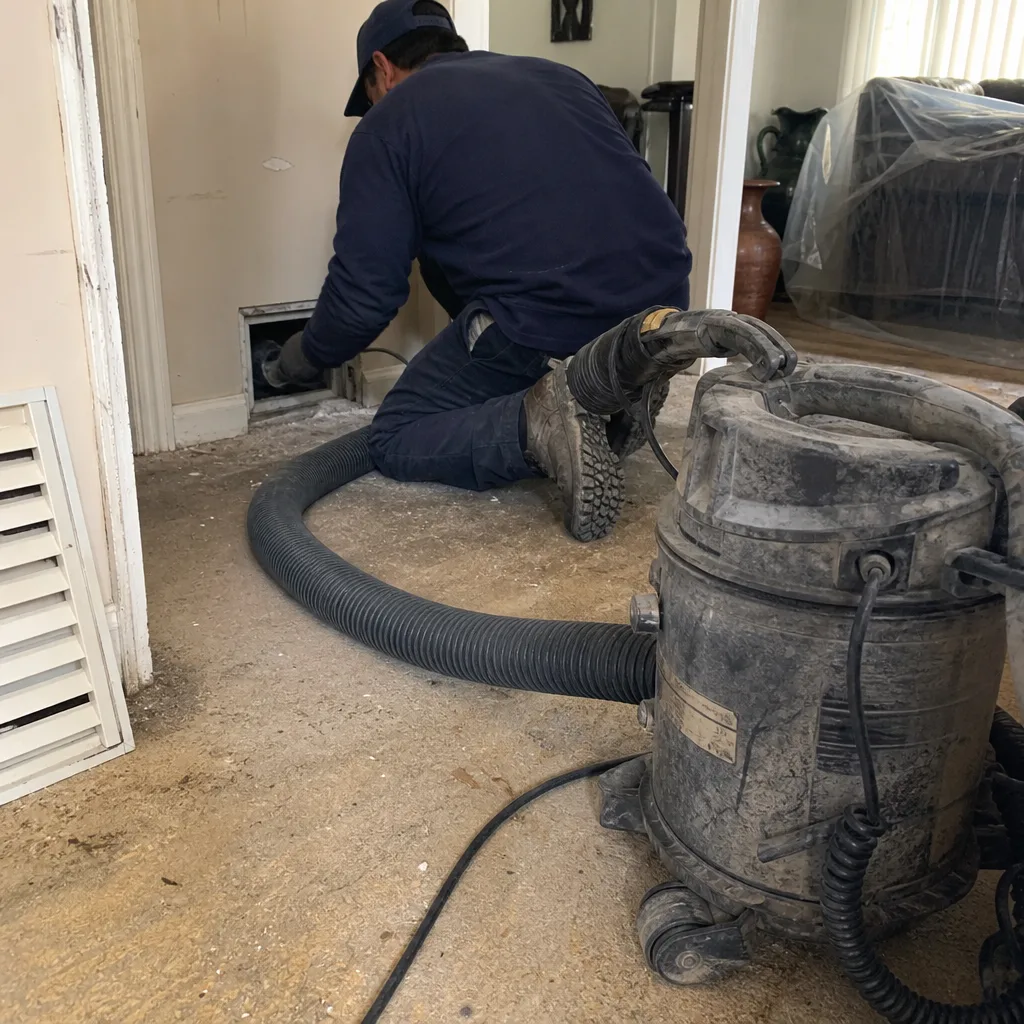 Before
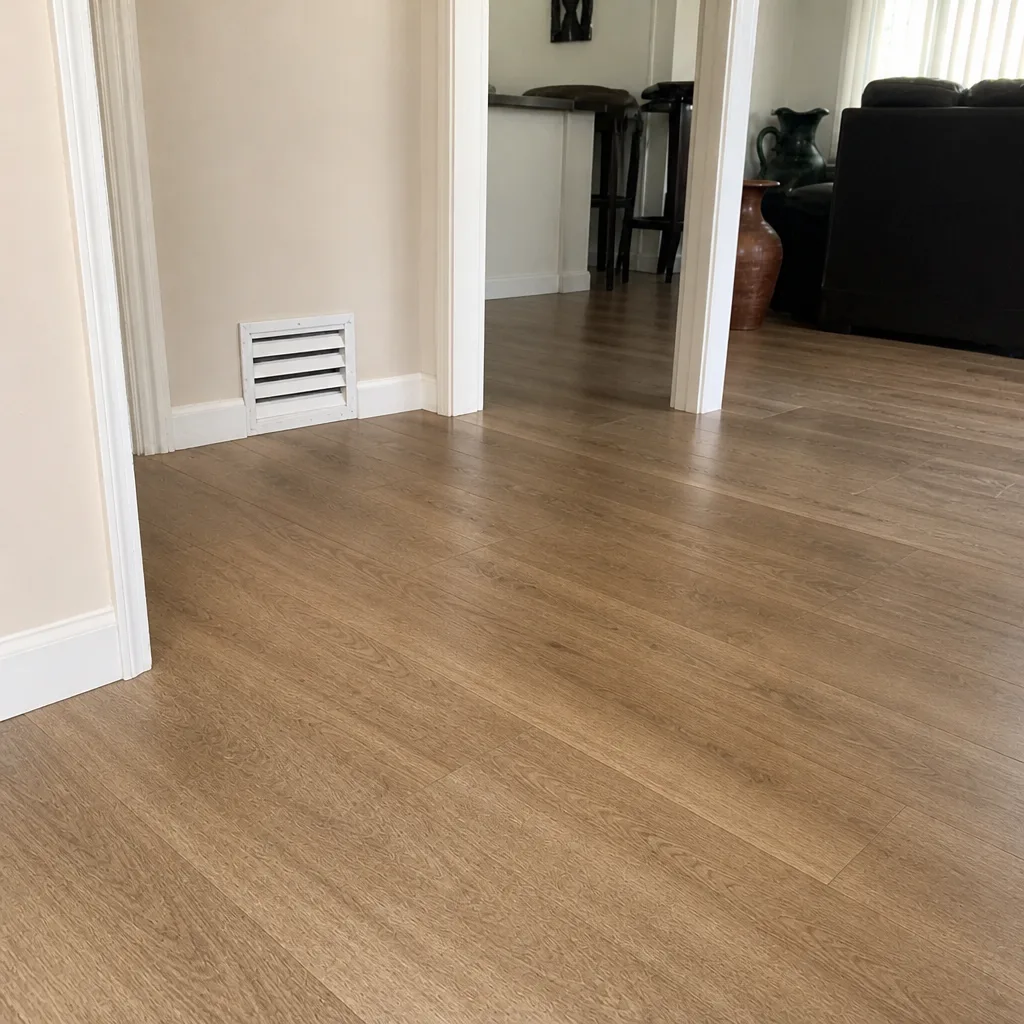 After
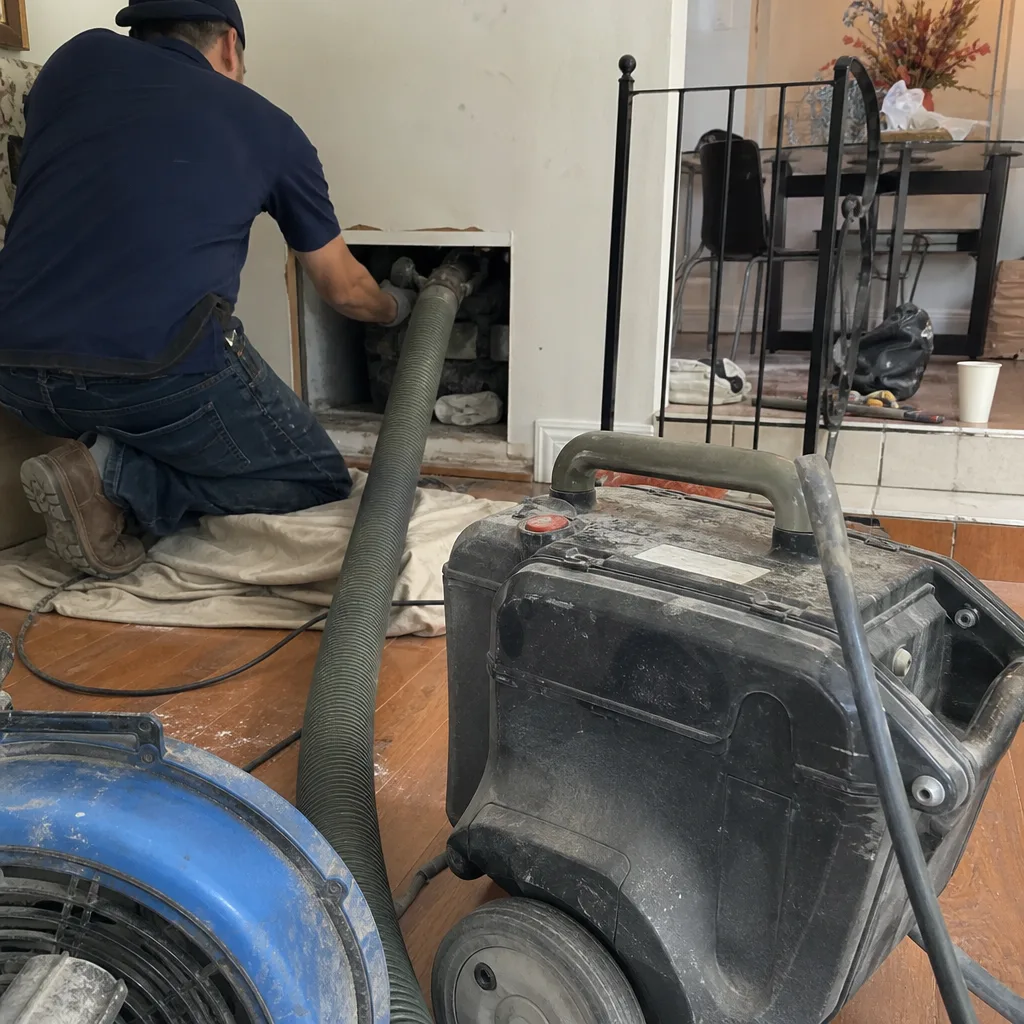 Before
 After
 Before
 After