
Last updated November 4, 2026
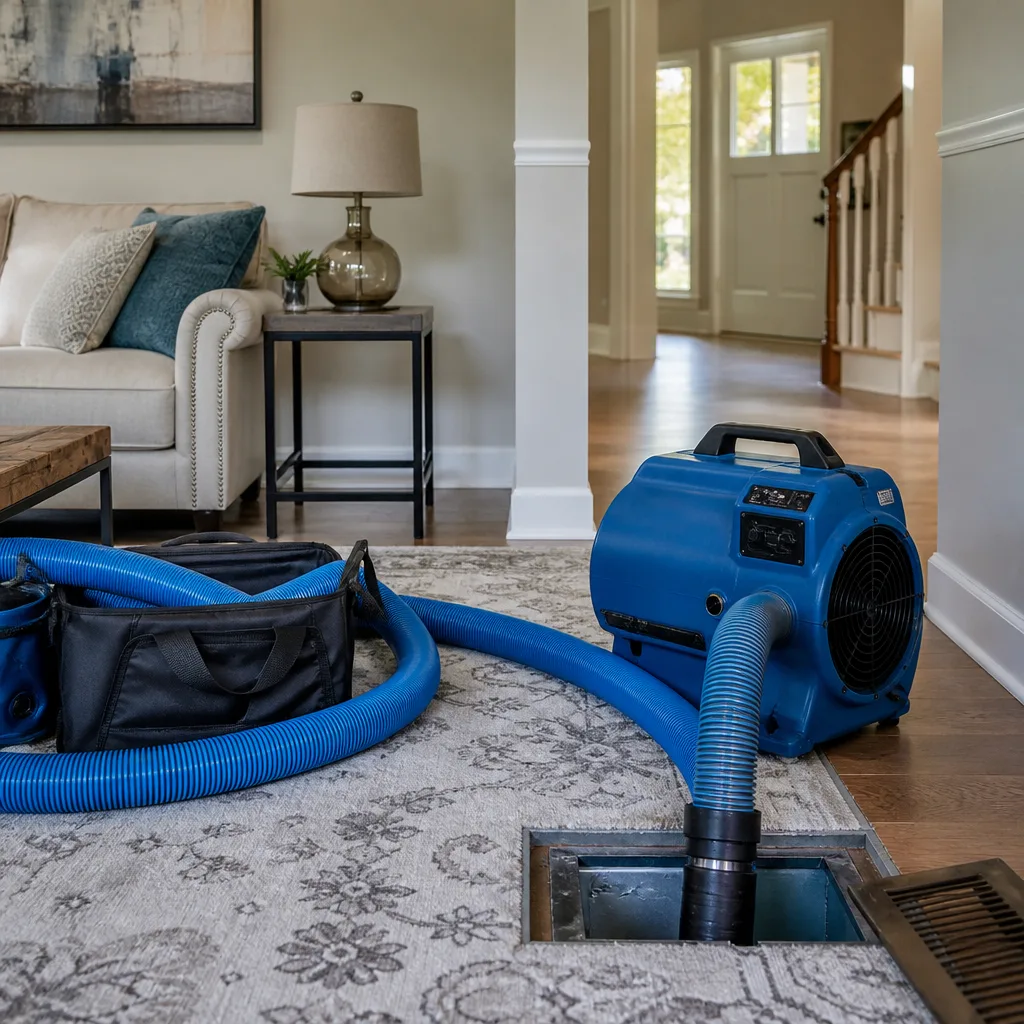 Whole-home duct cleaning
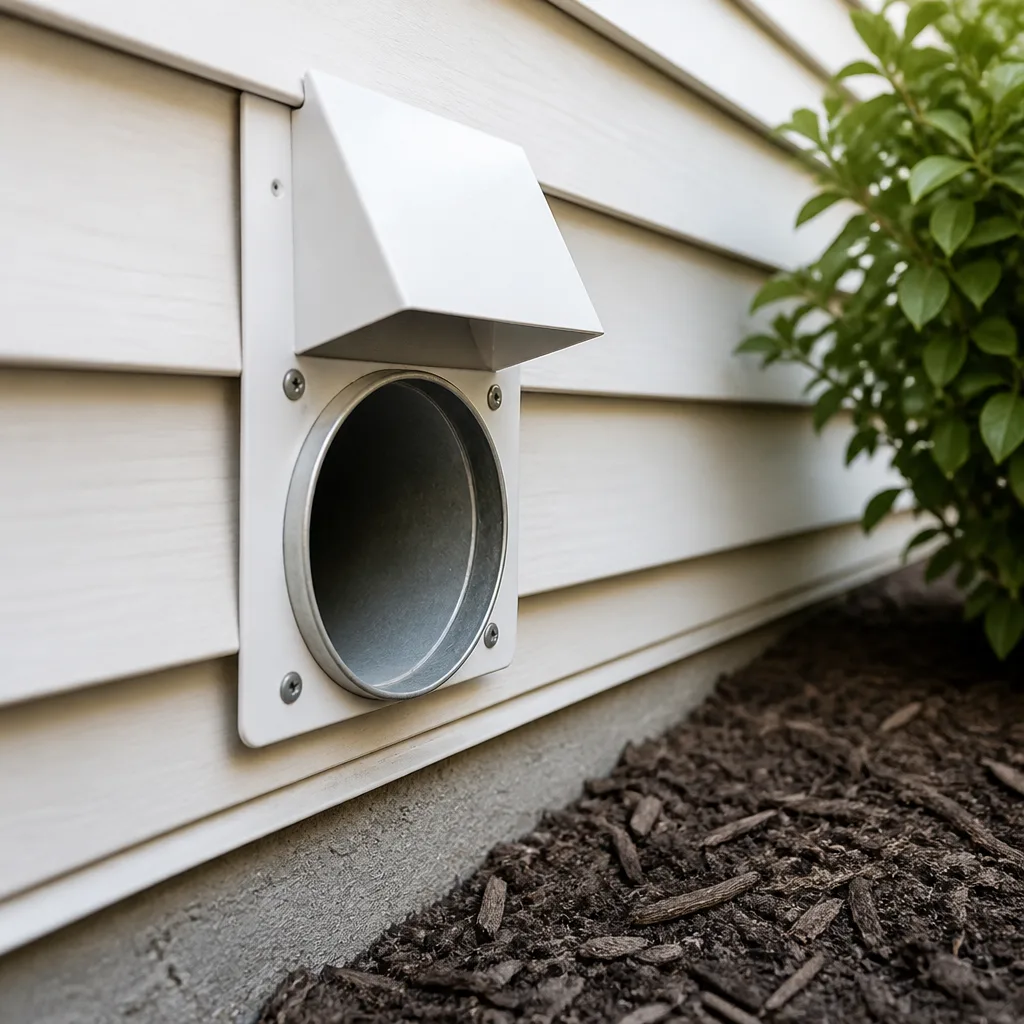 Dryer vent cleaning
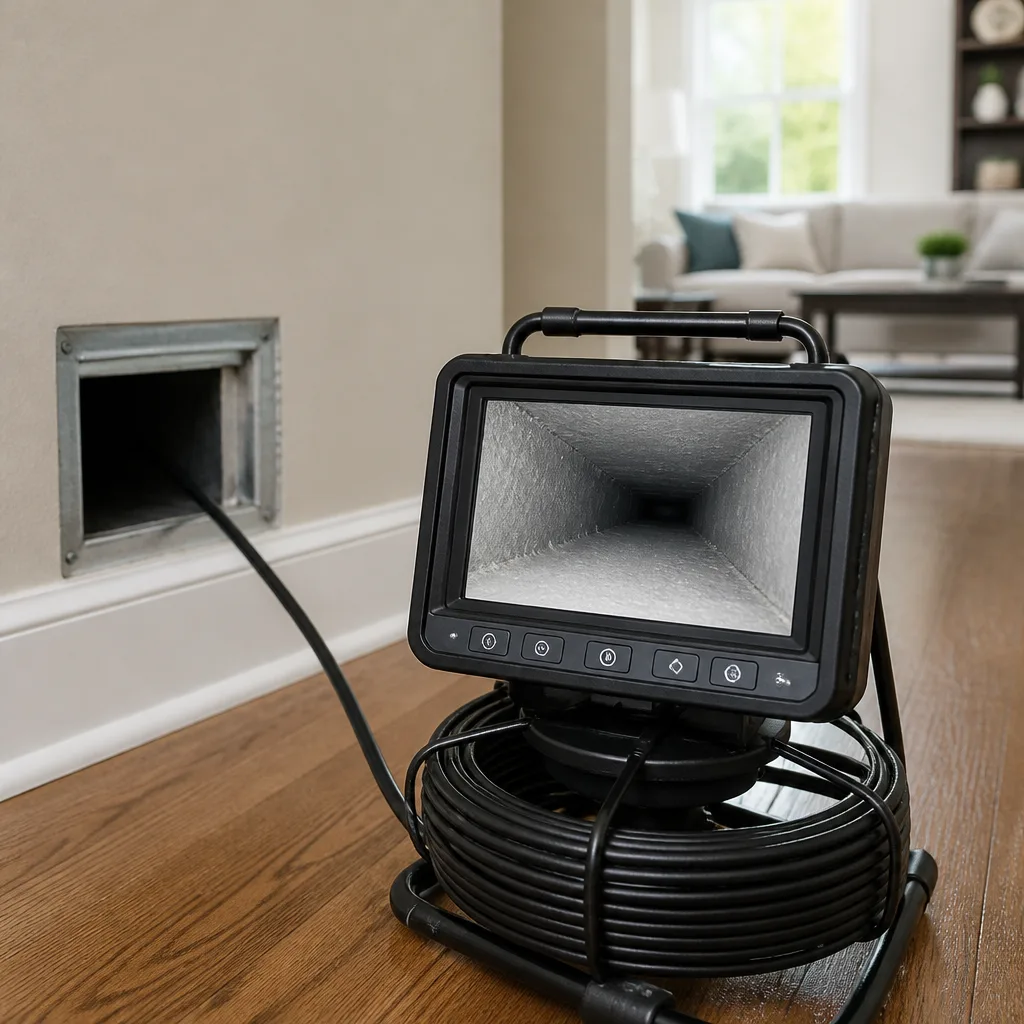 Camera inspection
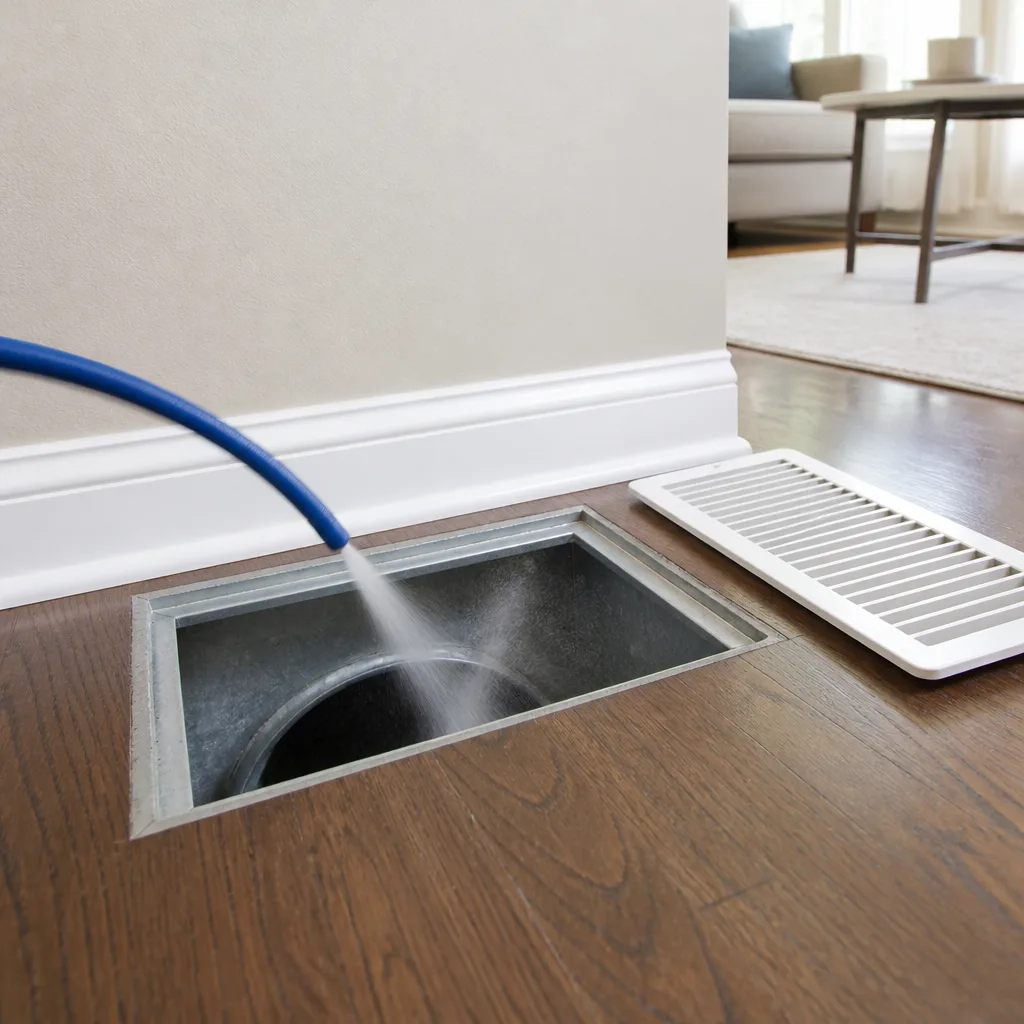 Sanitizing & deodorizing
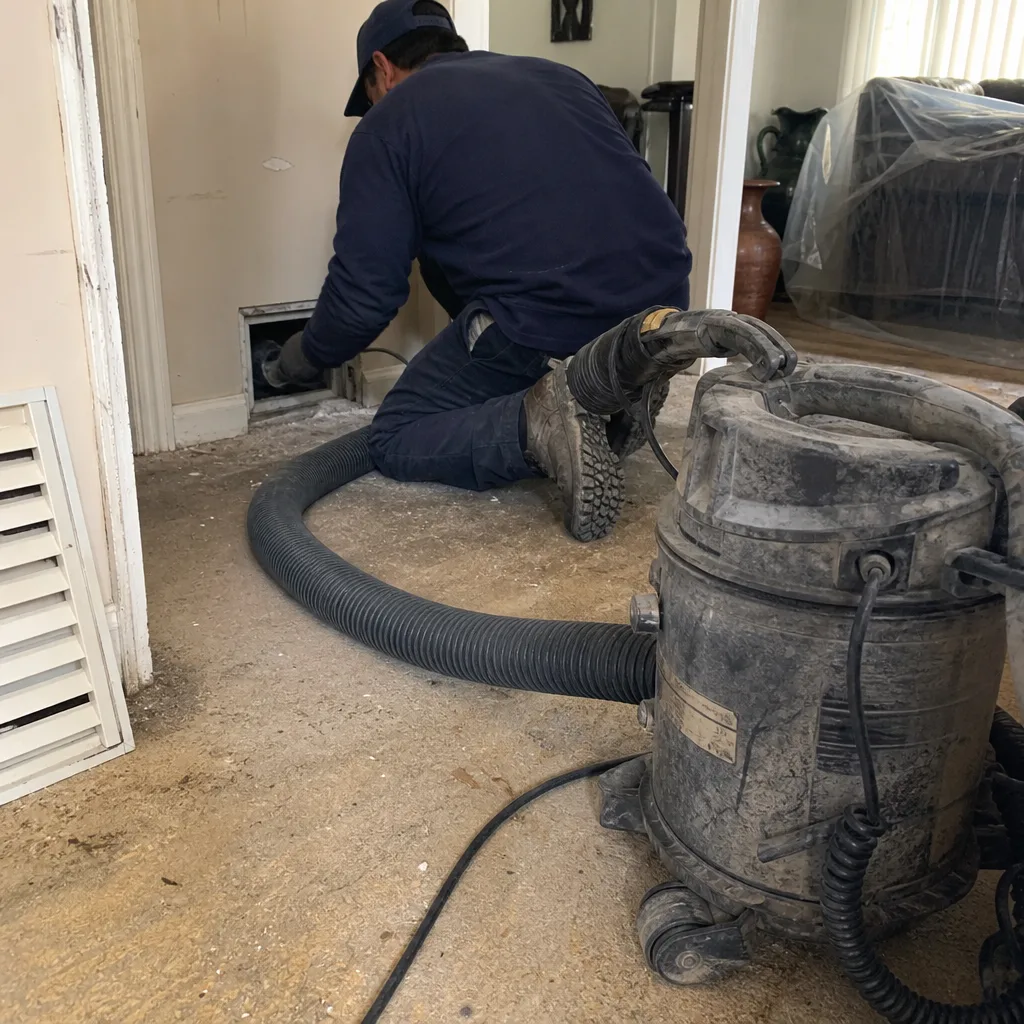
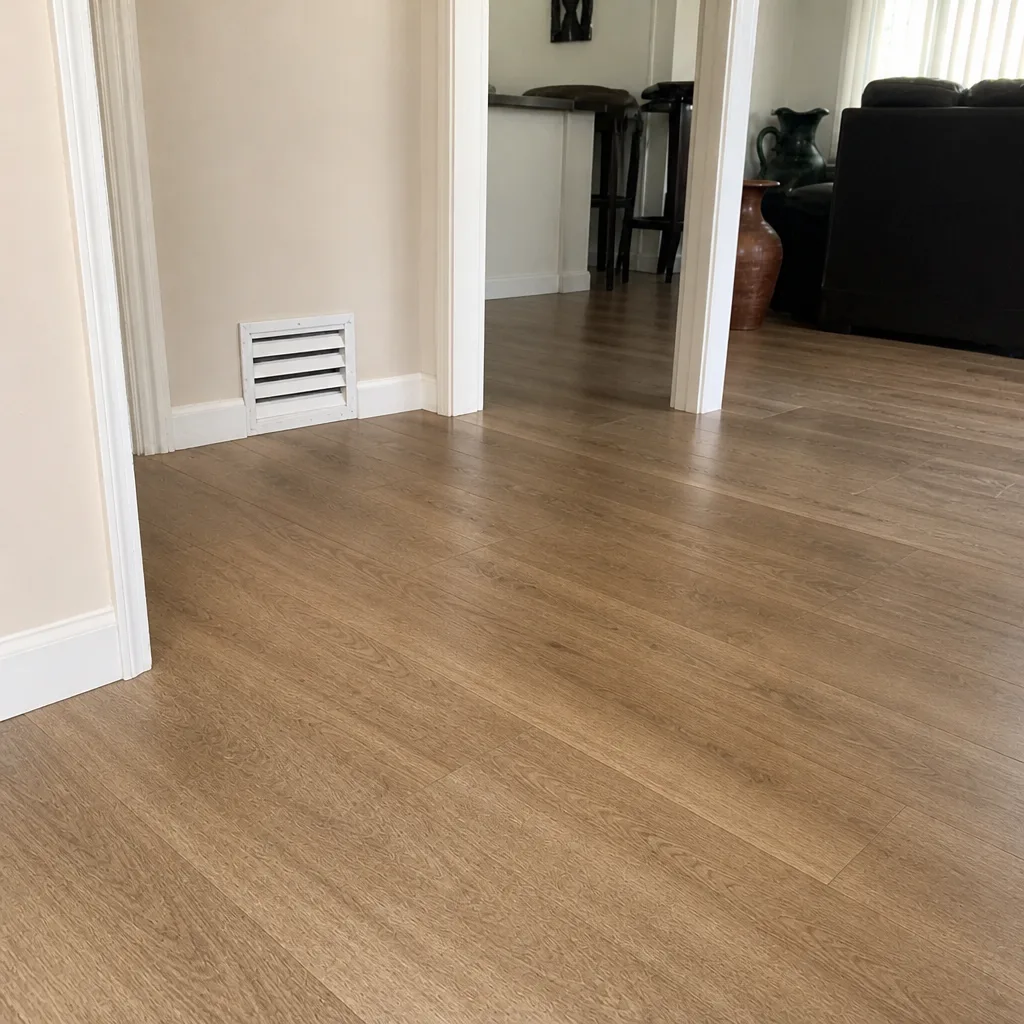
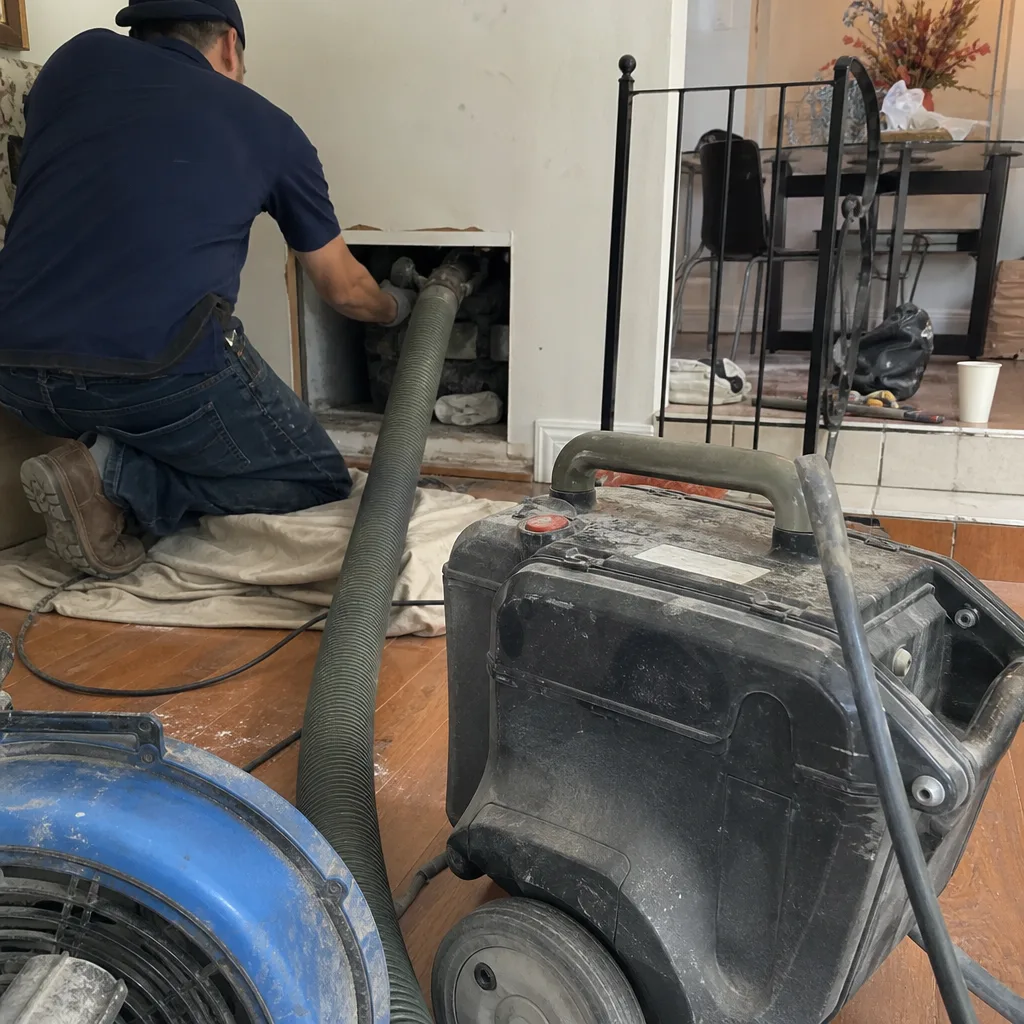
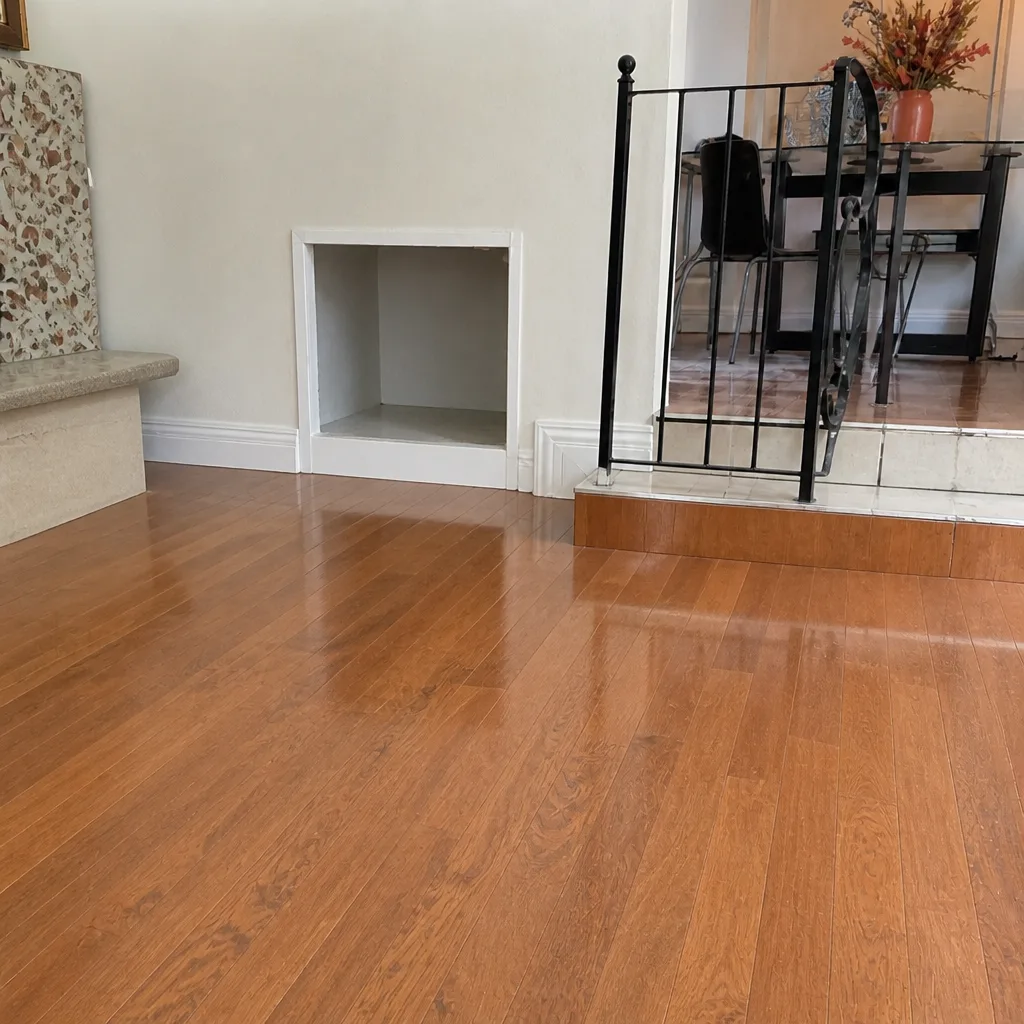
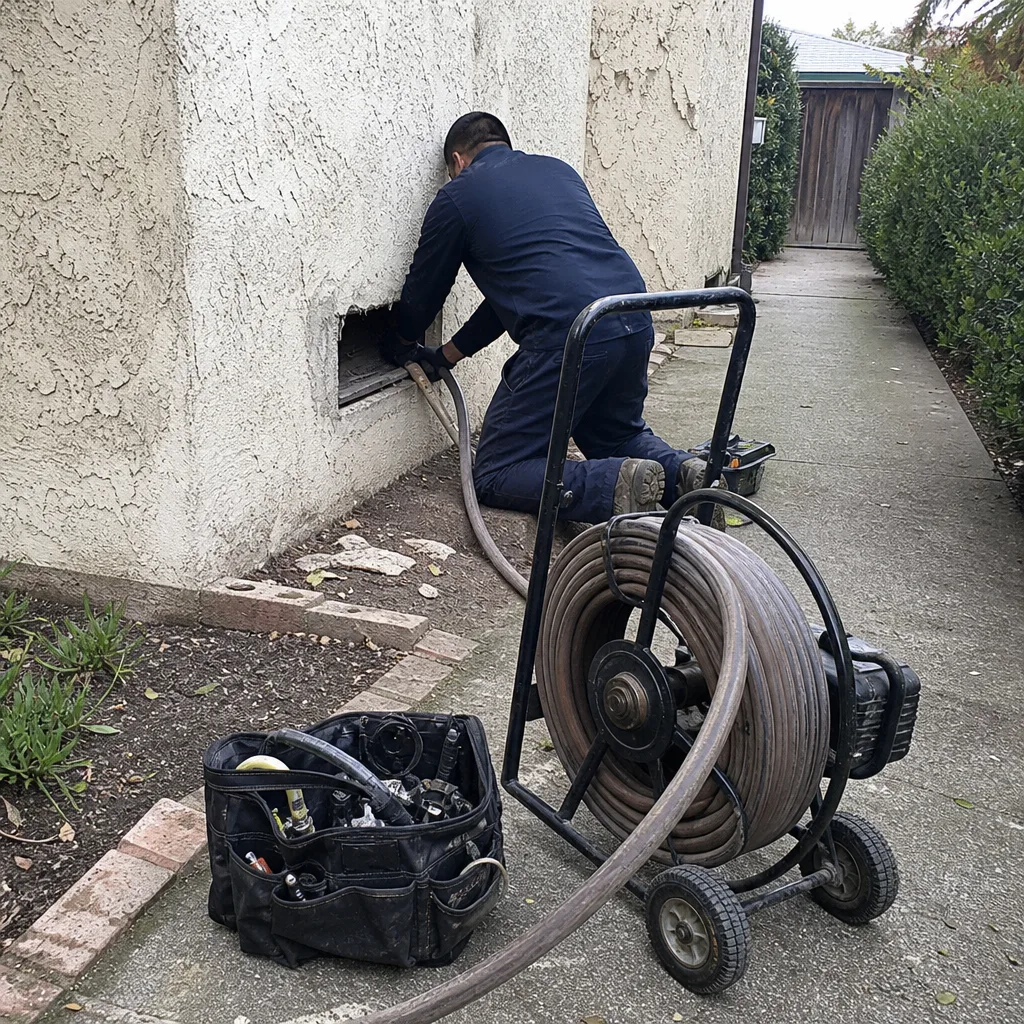
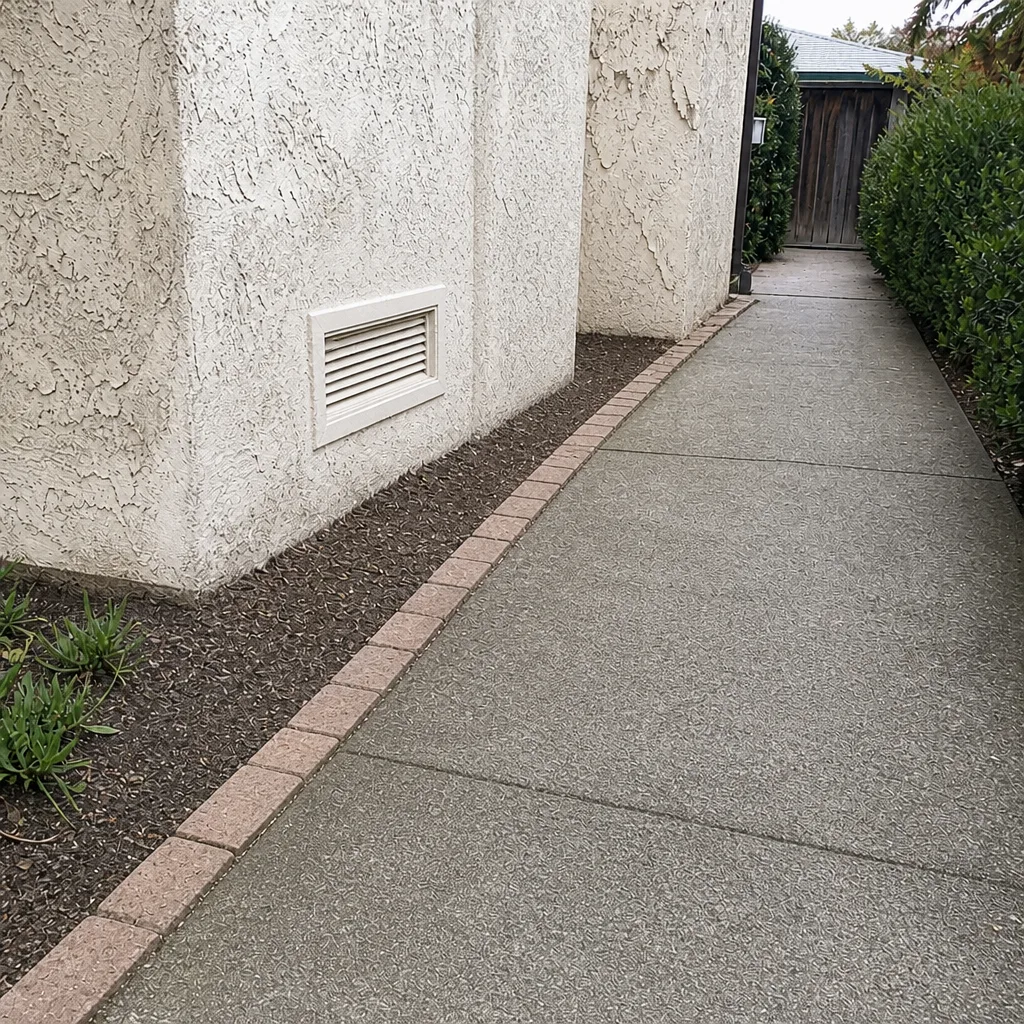
Whole-system duct and dryer vent check with before-and-after photos - you see exactly what came out of your vents
That "$99 whole-house special" is a bait ad - the real number appears once they are in your hallway, or the "clean" is a shop-vac at the register. We photograph the inside of your ducts before and after instead.
The Complete Guide to Air Duct Cleaning in North San Jose
The average North San Jose home sits within two miles of active commercial construction, and the ultrafine particulate that drifts from those sites doesn’t stay outside. Silicon Valley’s dry summers pull that dust indoors through windows, doors, and the HVAC system itself, where it settles into ductwork and stays for years. Most homeowners never see what accumulates inside their return and supply lines until a renovation stirs it up or a family member’s allergies worsen. This guide explains what actually builds up in North San Jose ducts, how professional cleaning removes it, and what you should expect from a service that does the job honestly.
Styles & brands we work with
- Whole-home duct cleaning
- Dryer vent cleaning
- Camera inspection
- Sanitizing & deodorizing
Quick Answer
Air duct cleaning in North San Jose involves using professional rotary-brush and HEPA-vacuum systems to physically dislodge and extract accumulated dust, construction particulate, and debris from your home’s ductwork. A full cleaning typically takes 3 to 6 hours depending on home size and system complexity, and should always include before-and-after photos of the duct interior. The service matters more here than in many California markets because our valley climate cycles between dry, dusty summers and mild wet winters, creating a layered accumulation pattern that generic maintenance advice rarely addresses.
Table of Contents
- What Actually Builds Up in North San Jose Ducts
- How the Valley Climate Creates a Different Dust Pattern
- Why North San Jose Tract Housing Affects Duct Design
- Source Removal vs. Surface Agitation: What You’re Actually Paying For
- The Equipment That Actually Matters
- What a Real Post-Cleaning Inspection Should Document
- Where Duct Cleaning Fits With Filter Maintenance and Air Handler Service
- Common Mistakes to Avoid
- When to Call a Professional
- Frequently Asked Questions
- The Bottom Line
What Actually Builds Up in North San Jose Ducts
Duct systems accumulate more than household dust. In North San Jose, the mix is distinctive. Construction dust from the tech campuses and residential infill projects that dot the area carries fine silica and concrete particulate. Pollen from the mature landscaping in neighborhoods like Berryessa and Alviso settles into return ducts during spring. And the valley’s characteristic fine dust, the kind that coats cars within a day of washing them, finds its way into every gap and seam in the system.
Over time, this material doesn’t just sit loose. Dry summer air keeps it light and mobile, allowing it to migrate deeper into the duct path. Then the winter wet season arrives, and humidity causes some of that dust to bind and adhere to duct walls, particularly at bends, dampers, and transitions where airflow changes speed. The result is a layered deposit that resists simple vacuuming, because the top layer is loose and the bottom layer is compacted.
Beyond straightforward dust, ducts in the area also collect:
- Drywall dust from renovations, which is fine enough to pass through standard HVAC filters
- Pet dander and hair, which binds to duct walls and becomes a long-term allergen reservoir
- Carpet fibers and textile lint from high-turnover rental units common to North San Jose
- Insulation fragments where duct runs pass through unconditioned attic spaces
- Light mold growth where condensation forms during the mild wet season, especially on poorly insulated supply trunks
Understanding what builds up matters because it determines what kind of cleaning actually works. The next sections explain why North San Jose’s climate and housing stock make this accumulation pattern specific and why it affects what you should ask for.
How the Valley Climate Creates a Different Dust Pattern
North San Jose sits in the Santa Clara Valley, a region with a Mediterranean climate that differs meaningfully from the California coast or the Central Valley interior. Our summers are dry, with months of negligible rainfall. Winters are mild and intermittently wet, without the deep cold that would cause condensation issues in other regions. This pattern matters for ducts because it creates a cycle of accumulation and adhesion that coastal homes don’t experience the same way.
During the dry season, which runs roughly from May through October, humidity stays low and indoor air, especially in air-conditioned homes, becomes arid. Dust stays dry, light, and mobile. It circulates through the HVAC system, and whatever your filter doesn’t capture moves through the supply ducts. The particles that drop out of the airstream where velocity slows, particularly at register boots and plenum transitions, build up as a fine, loose layer.
Then the rainy season arrives. Humidity rises, even indoors, and that loose dust absorbs moisture. It becomes heavier, stickier, and more prone to adhering to duct walls. In older homes with uninsulated metal ducts, condensation can form on cool duct surfaces overnight, particularly in crawlspaces and attics. That condensation acts as a binding agent, turning what was loose dust into a compacted film that resists removal by airflow alone.
The repetition of this cycle year after year creates a stratified deposit inside ducts. A brush that skims the surface dislodges the top layer but leaves the compacted underlayer in place. That’s why the equipment and method matter more than the time spent. We’ll return to that distinction shortly.
This climate pattern also means that air duct cleaning done correctly leaves a system that stays cleaner longer. When the entire deposit is removed, the next cycle starts from a clean surface rather than building on old material. That’s a measurable difference in indoor air quality and one that homeowners notice most in the first dry season after a proper cleaning.
Why North San Jose Tract Housing Affects Duct Design
Much of North San Jose’s residential stock was built during the 1980s through 2000s housing boom, a period when the valley’s tech economy drove rapid tract development. These homes share construction characteristics that create predictable duct cleaning challenges. Understanding them helps homeowners know what to expect and what questions to ask any contractor who quotes the work.
Tract homes from this era typically use flexible duct runs in attics and crawlspaces, connected to sheet metal supply trunks and return plenums. The duct layout prioritizes speed of installation over airflow efficiency, which means:
- Runs often bend sharply where they transition from attic to ceiling register, creating low-velocity zones where debris drops out of the airstream
- Sagging flex duct between support straps creates dips that act as debris traps, a problem that worsens over time as the flex duct’s inner liner wrinkles
- Transitions between the plenum, trunk, and branch runs create turbulence points where larger particles settle
- Return ducts often draw from a single central hallway return, concentrating debris accumulation at that return grille and the first few feet of the return drop
A competent technician inspecting ducts in this housing stock knows to check each of these points. Simply vaculating from the register end misses what’s accumulated at the plenum transitions and in sagging runs upstream. That’s why we inspect from the furnace or air handler outward, not just from the registers inward.
Newer construction in North San Jose, including the higher-density developments along North First Street and near the Berryessa BART station, presents different considerations. These buildings often use hard duct in conditioned spaces, with fewer feet of duct per unit. The cleaning approach differs accordingly, which is why the first step of any credible job is a system inspection, not a price quote.
Source Removal vs. Surface Agitation: What You’re Actually Paying For
The single most important distinction in the duct cleaning industry is between source removal and surface agitation, and most homeowners never learn it until after they’ve paid for a mediocre job. Source removal means physically dislodging debris from the entire interior surface of the duct system and extracting it with negative-pressure vacuum equipment. Surface agitation means running a brush or air whip through the duct, which knocks loose the top layer of dust while leaving the compacted underlayer in place.
The difference shows up within months. After surface agitation, the remaining debris becomes the substrate for new accumulation, and the system looks dirty again quickly. After true source removal, the duct walls are clean, and the next accumulation cycle starts from zero. The visible difference is measurable in before-and-after photography, which is why any credible company should offer it.
Source removal requires equipment that most budget cleaners don’t carry. A rotary brush that spins against the duct walls does the dislodging. A HEPA-filtered negative air machine connected to the system creates the extraction airflow. The brush loosens while the vacuum pulls. It’s the same principle used in industrial duct cleaning, scaled for residential systems.
The alternative is a technician who arrives with a portable vacuum and a basic agitation tool. The vacuum isn’t strong enough to pull debris from a 30-foot flex run. The agitation tool only disturbs what’s directly in its path. The technician works register by register, and the homeowner sees dust blow out of the supply vents, which creates the impression of a thorough job. But the interior of the ducts, where the accumulation actually is, remains largely untouched.
When we clean ducts in North San Jose, we use a Rotobrush rotary-brush system paired with a Nikro HEPA vacuum. The brush physically contacts the duct walls and dislodges the compacted layer. The vacuum, positioned at the system level rather than at a single register, pulls the loosened material out of the duct path. The result is visible in the before-and-after photos we provide from inside the duct, not just from the register opening. Elmwood Air Duct Cleaning built its service approach around this equipment because we saw too many North San Jose homeowners paying for cleaning that only rearranged the dust.
The Equipment That Actually Matters
Duct cleaning equipment falls into three categories, and only the third does the job properly.
- Shop vac conversions. A portable vacuum connected to a brush attachment. These lack the negative pressure to pull debris from long runs, and their filters are not HEPA-rated, meaning fine particulate is recirculated into the living space rather than captured. They represent most budget- priced services.
- High-pressure air systems. An air compressor with a skipper nozzle or air whip. These create strong localized agitation but often pressurize the duct positively, which can push debris into the home through unused registers if not paired with proper containment. They also struggle with the compacted layer we described earlier.
- Rotary brush with HEPA negative air. A powered brush that rotates against duct walls, coupled with a HEPA-filtered negative air machine that creates controlled suction through the entire duct system. This is source removal. It’s what industrial contractors use, and it’s what residential systems actually need.
We run Rotobrush systems, the industry benchmark for residential rotary-brush cleaning. The brush’s rotation speed and bristle stiffness are calibrated to dislodge debris without damaging the duct liner. The Nikro HEPA vacuum systems we use are rated to capture 99.97% of particles at 0.3 microns, which means the fine dust from North San Jose’s construction sites and dry summers is contained, not recirculated.
For homes with persistent air-quality concerns, including those near active construction or with residents managing respiratory conditions, we also maintain Abatement Technologies equipment. That gear is designed for elevated contaminant situations, not routine dust removal, and having it on hand means we can address conditions that a standard cleaning company would turn down or, worse, attempt with inadequate tools.
Equipment matters because the job’s outcome is determined by the machine’s ability to reach, dislodge, and extract. A technician can be honest and thorough, but with a shop vac, the result is still surface agitation. When you’re comparing quotes, ask directly what equipment the company uses and whether it’s HEPA-filtered negative pressure. If the answer is vague, that’s an answer.
What a Real Post-Cleaning Inspection Should Document
The duct cleaning industry has a transparency problem. Most work happens inside spaces the homeowner never sees, and the only proof of completion is the technician’s word. A credible company solves this by documenting the work with photos taken inside the duct, before and after, at multiple inspection points.
A proper post-cleaning inspection should include:
- Pre-cleaning interior photos from inside the supply trunk and at least one representative branch run, showing the level of accumulation before work begins.
- Post-cleaning photos from the same vantage points, demonstrating that the same surfaces are clean. These should be taken with the camera inside the duct, not pointed at the register from the room.
- Documentation of access points used for cleaning, which on most North San Jose tract homes includes the supply plenum, return drop, and registers.
- Any findings noted during the cleaning, such as disconnected runs, crushed flex duct, mold growth, or debris that wasn’t removable by standard methods.
- A written summary of what was cleaned, what equipment was used, and any recommendations for follow-up work like dryer vent cleaning or duct repair.
We consider before-and-after photos the minimum acceptable proof of work for any duct cleaning job, and we provide them to every customer in North San Jose without being asked. It’s the same standard we’d expect if we hired someone to work on our own homes. If a contractor won’t provide interior duct photos, ask why. The answer is usually that they can’t.
Beyond photos, a real inspection involves checking the system components that cleaning exposes. Flex runs that are crushed or disconnected, dampers that don’t operate, and plenums that leak air into unconditioned spaces are all findings that surface during a thorough cleaning. That’s why we offer air duct repair alongside cleaning: when we find a compromised run, we can fix it rather than leaving the homeowner with a second service call and a second technician. The value isn’t just a cleaner duct, it’s a duct system that actually works.
Where Duct Cleaning Fits With Filter Maintenance and Air Handler Service
Duct cleaning addresses one part of a larger indoor air quality and HVAC performance picture. It works best when understood in context, not as a cure-all. Here’s how it fits with the other components of a healthy system.
HVAC filters are the first line of defense. They capture particles before they enter the air handler and supply ducts. In North San Jose, where construction dust is a constant background presence, filters load faster than the manufacturer’s recommended change interval. A filter that’s clogged or, worse, bypassing air around its edges, sends unfiltered air into the supply duct system. Duct cleaning removes what already accumulated, but it doesn’t prevent new accumulation if the filter is undersized or neglected.
Air handler service involves cleaning the evaporator coil, blower wheel, and condensate pan. These components sit upstream of the supply ducts and are subject to the same dust loading. A dirty evaporator coil loses efficiency and becomes a mold substrate during the wet season. A dirty blower wheel throws unbalanced airflow, which changes the velocity profile through the duct system and affects where debris settles. Cleaning the ducts without addressing a heavily fouled air handler means the system recontaminates quickly. Conversely, a clean air handler feeding dirty ducts just deposits clean air into dirty channels. We frequently coordinate duct cleaning with air handler service because the sequence matters: clean the handler, then clean the ducts, so the airflow distribution carries whatever the handler sheds out of the system, not into it.
Whole-home filtration and humidity control, like the Aprilaire and Honeywell systems we work with, extend the benefits of duct cleaning. A duct system that’s clean but fed by unfiltered, unconditioned air will not stay clean long. A whole-home filtration system captures finer particulate than a standard 1-inch filter, particularly important for homes near active construction. Humidity control prevents the condensation cycles that bind dust to duct walls during the winter months. When homeowners in North San Jose ask us what they can do beyond cleaning to keep their air quality stable, we talk about filtration and humidity management, not more frequent cleaning. We’re familiar with Aprilaire and Honeywell integrated systems and can make recommendations that fit the home’s actual mechanical setup.
None of this replaces or excuses routine HVAC maintenance. Duct cleaning is a periodic service, not an annual one. The interval depends on local conditions, and in North San Jose, where construction dust and dry-season particulate are heavier than in many Bay Area locations, that interval may be shorter than the national average. We tell homeowners to use the filter as an indicator: if it’s loading faster than expected, the ducts are likely accumulating faster too.
Common Mistakes to Avoid
- Choosing a quote based on price per vent. Pricing by the register incentivizes rushed work. A duct system’s condition is determined by total system length, design, and accumulation level, not the number of vent covers in the ceiling. A flat system price based on an actual inspection is the only honest way to quote this work.
- Accepting cleaning without interior photos. If a company won’t show you what the inside of your ducts looked like before and after, you have no way to verify the work. North San Jose homes often have long attic runs where incomplete cleaning is easy to hide.
- Treating all quotes as equivalent. A cheap quote that uses a portable vacuum is not the same service as a higher quote that uses rotary-brush and HEPA negative-air equipment. The quality difference is structural, not a matter of technician effort.
- Cleaning ducts but ignoring the dryer vent. Dryer vents separate from the HVAC ducts, but they accumulate lint faster and with more dangerous consequences. A home with clean HVAC ducts and a blocked dryer vent is still a fire risk. We treat dryer vent cleaning as its own service because it is one, not an add-on to be squeezed into the last ten minutes of a duct job.
- Expecting duct cleaning to solve outdoor air quality. Duct cleaning removes what’s already inside the system. It doesn’t prevent construction dust or airborne pollen from entering the home. Homes within a mile of active development will continue to load particulate unless whole-home filtration is part of the equation.
- Waiting until a problem is obvious. By the time dust is visible on supply registers or a musty smell appears when the fan runs, the accumulation inside the ducts may be substantial. Periodic inspection, even without immediate cleaning, costs less than reactive work and gives homeowners a baseline.
- Hiring a company that doesn’t inspect before quoting. Any quote given over the phone without seeing the system is a guess. Our estimates start with a look at the actual duct layout, because a North San Jose tract home from the 1990s may need a different approach than a newer unit near the Berryessa corridor.
When to Call a Professional
A professional duct cleaning makes sense when there’s visible accumulation at supply registers, when indoor dust returns quickly after cleaning surfaces, when allergies worsen inside the home specifically, or when a renovation has covered the interior with drywall dust that the filters couldn’t catch. It also makes sense when you’ve moved into a home with an unknown maintenance history, which is common in North San Jose’s turnover market. If the previous owners had pets, renovated, or simply ignored the system for years, the ducts are carrying evidence of that history. Elmwood Air Duct Cleaning offers free estimates in North San Jose. Call (855) 506-8636. We answer 24/7. Fast dispatch from 7am to 7pm, Sunday through Friday.
Frequently Asked Questions
Air duct cleaning in North San Jose typically runs between $350 and $900 for a full residential system, depending on home size, number of systems, duct length, and accumulation level. The price is set per job by the written estimate after an inspection, not by a per-vent rate that incentivizes rushing. Call (855) 506-8636 for a free estimate, and we’ll give you a written price before any work begins.
A complete source-removal cleaning of a typical North San Jose single-family home takes 3 to 6 hours. Homes with multiple HVAC systems, extensive flex runs, or heavy accumulation take longer. If a company quotes an hour or less, ask what equipment they’re using, because that time frame is not consistent with rotary-brush source removal.
The minimum proof is before-and-after photos taken from inside the duct system, at the same inspection points, by the technician on site. We provide these to every customer without being asked. If a company won’t or can’t provide interior photos, assume you’re paying for surface agitation rather than source removal.
Cheaper quotes almost always mean different equipment. A portable vacuum and a basic brush cost a fraction of a professional rotary-brush and HEPA negative-air system, but they can’t extract debris from long duct runs and they leave the compacted layer in place. The difference shows up in the result, not in the technician’s effort. A cheaper price that doesn’t actually clean the ducts is the more expensive option.
Most homes in North San Jose benefit from cleaning every 3 to 5 years, with the interval shortening for homes near active construction, homes with pets, and homes where occupants have respiratory conditions. The most reliable indicator is filter loading: if you’re changing filters more frequently than the manufacturer’s schedule, the ducts are accumulating faster and may need attention sooner.
Duct cleaning removes accumulated allergens like pet dander, pollen, and dust mites from the air distribution system, which means the HVAC system is no longer recirculating those particles after the cleaning. It doesn’t prevent new allergen entry, which is why whole-home filtration is worth considering for allergy management in North San Jose, where construction dust and seasonal pollen are persistent. Elmwood Air Duct Cleaning can walk you through the options.
The Bottom Line
Duct cleaning in North San Jose is a specific service for a specific environment. Our dry summers and wet winters create accumulation patterns that surface-level cleaning doesn’t address. Our housing stock, built heavily during the 1980s through 2000s boom, has duct layouts with predictable debris traps. And our proximity to continuous construction means the dust loading is higher than in most Bay Area markets. The service that matters is source removal: rotary-brush dislodging paired with HEPA negative-air extraction, documented with before-and-after photos from inside the ducts. Anything less rearranges dust instead of removing it. If your home’s ducts haven’t been inspected in years, start there. The estimate is free, and the proof of work should be in the photos.
Written by the team at Elmwood Air Duct Cleaning, serving North San Jose since 2018.
See the difference
 Before
 After
 Before
 After
 Before
 After