
Last updated November 4, 2026
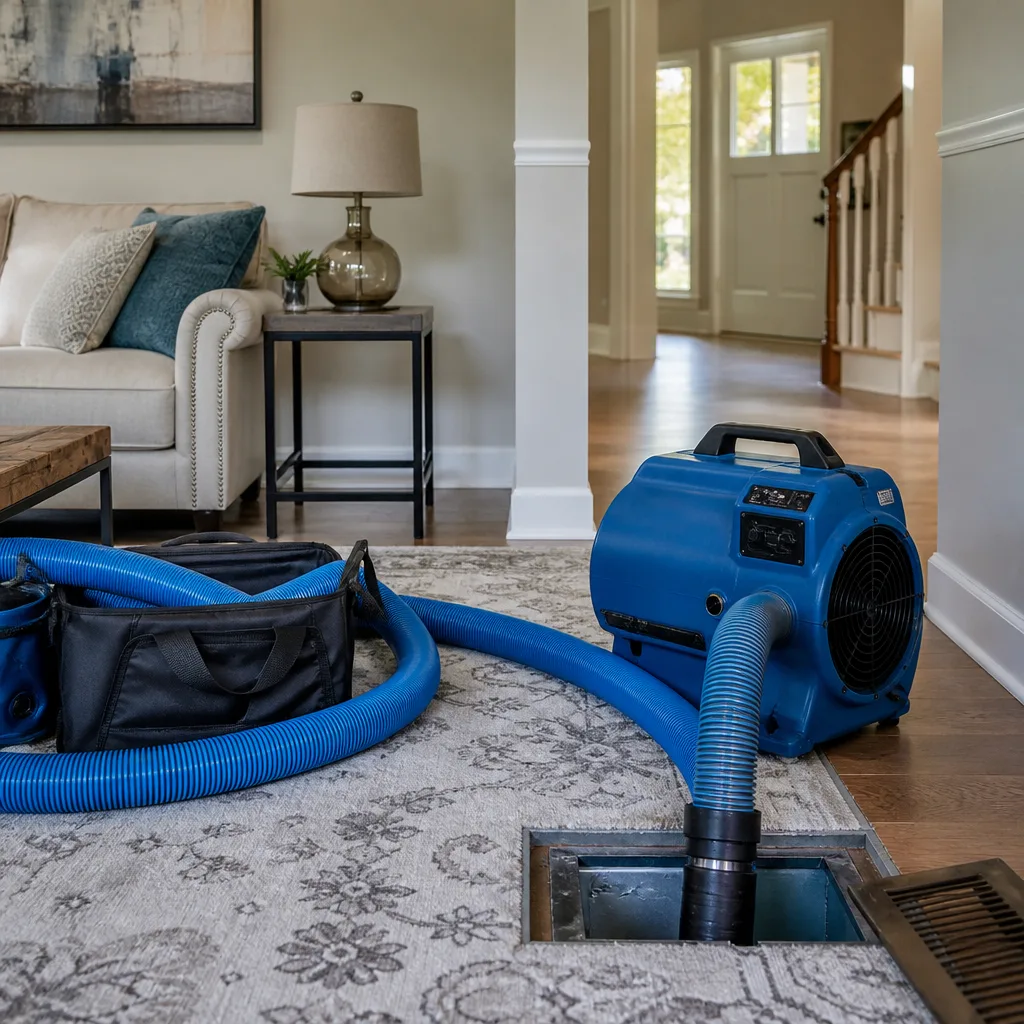 Whole-home duct cleaning
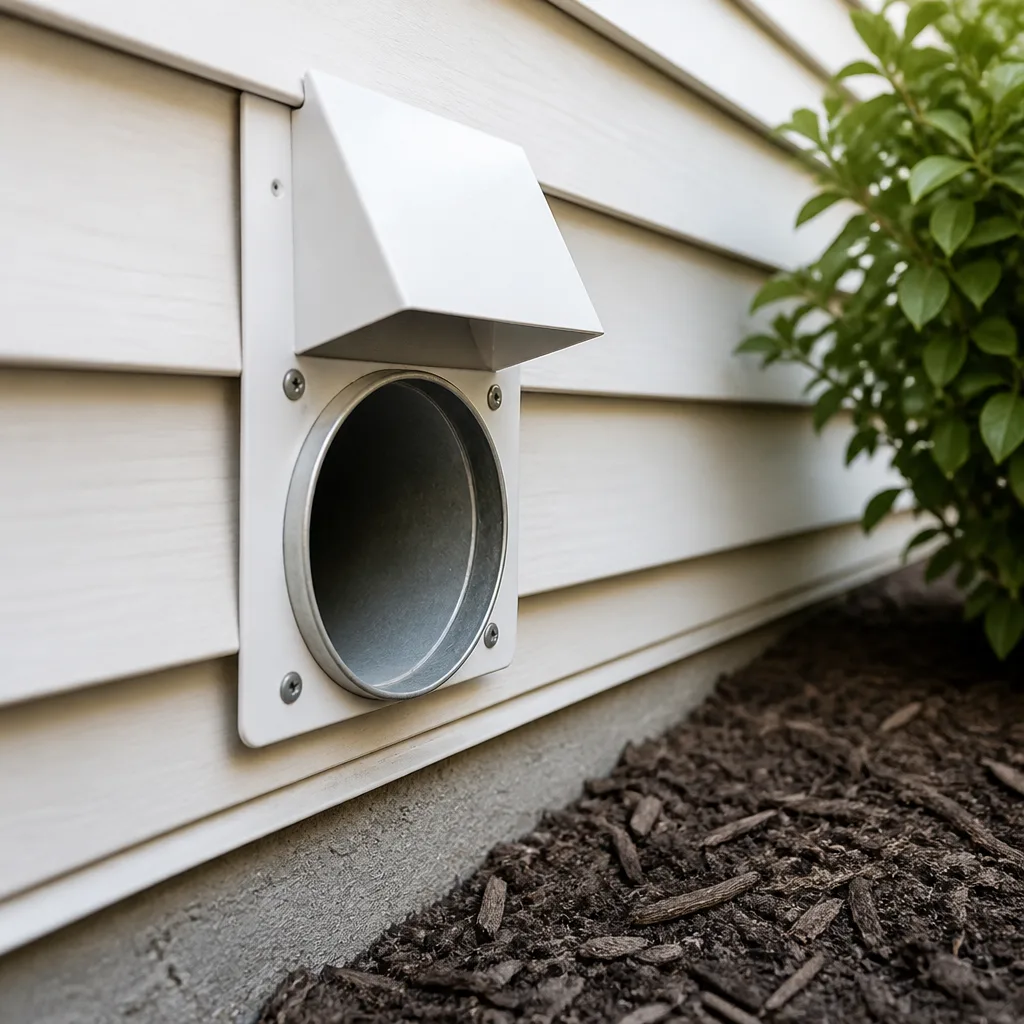 Dryer vent cleaning
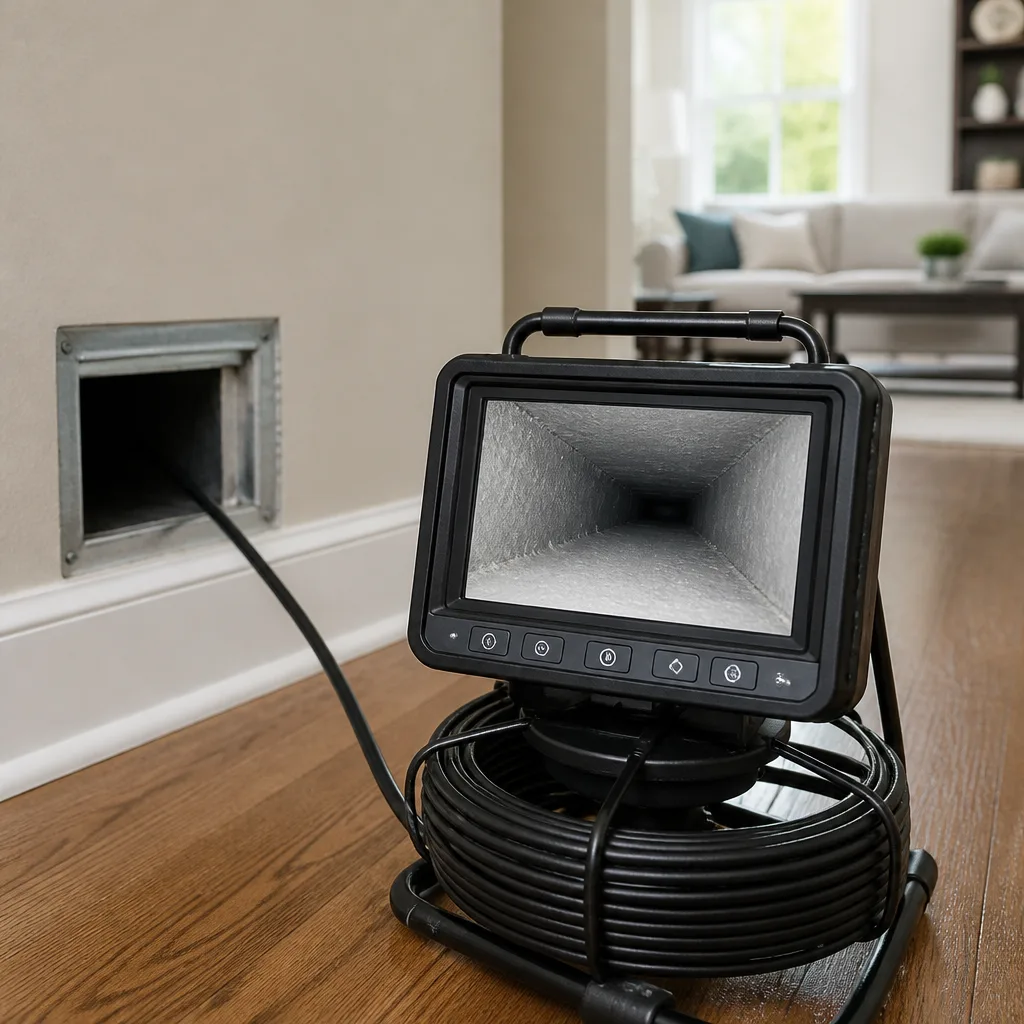 Camera inspection
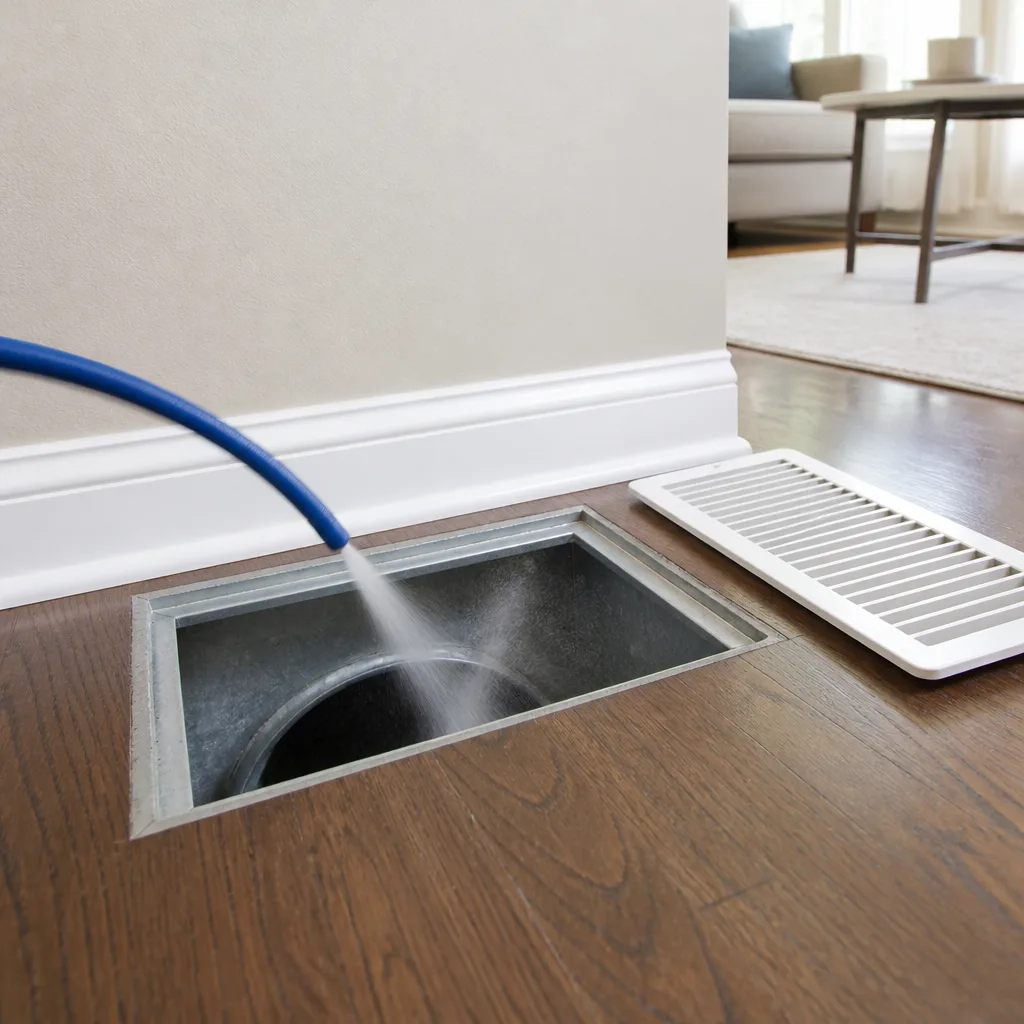 Sanitizing & deodorizing
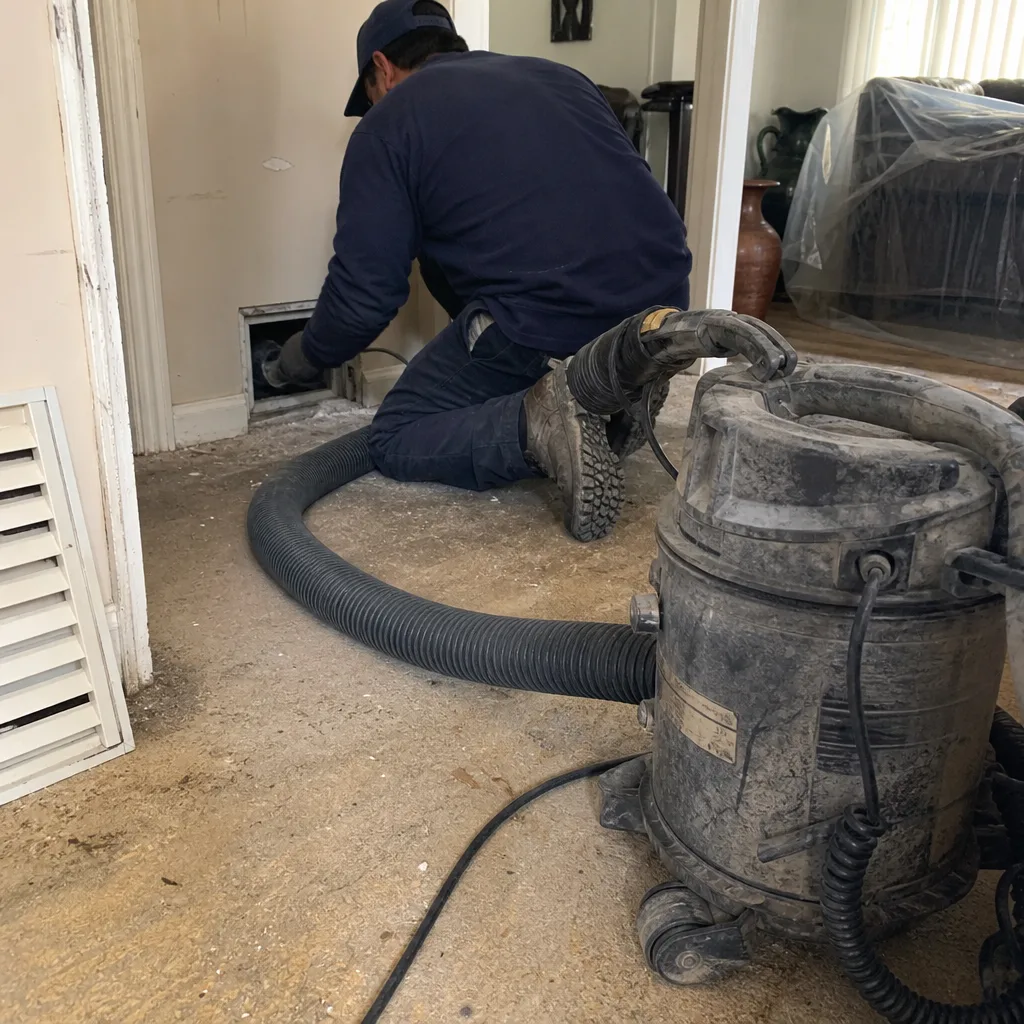
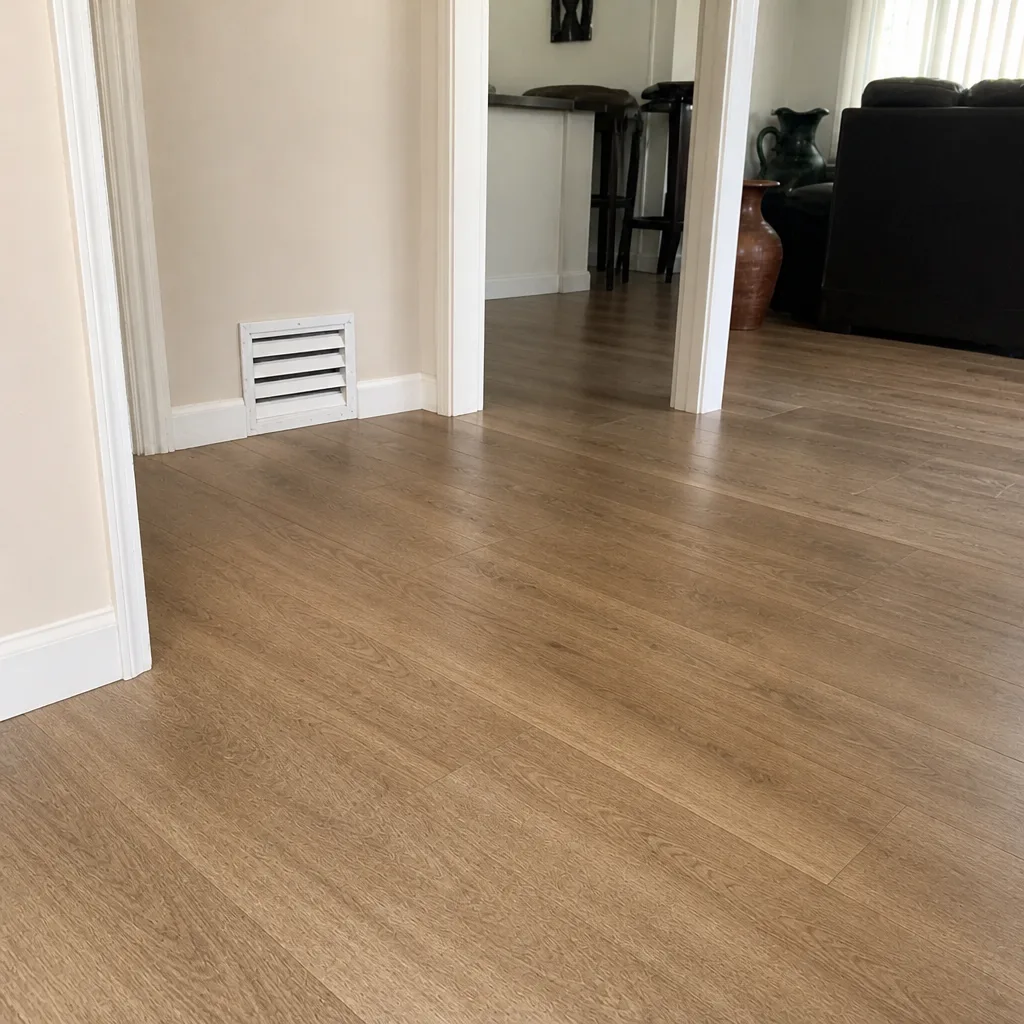
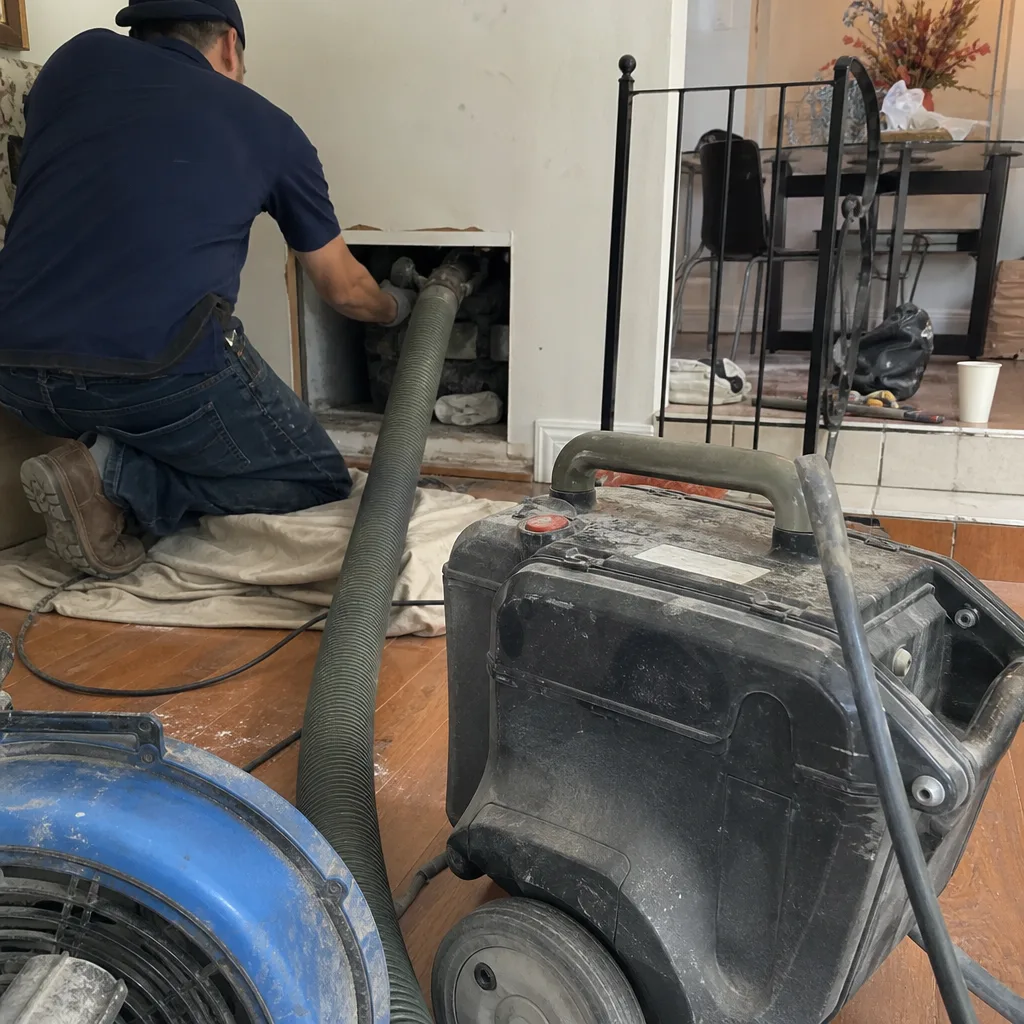
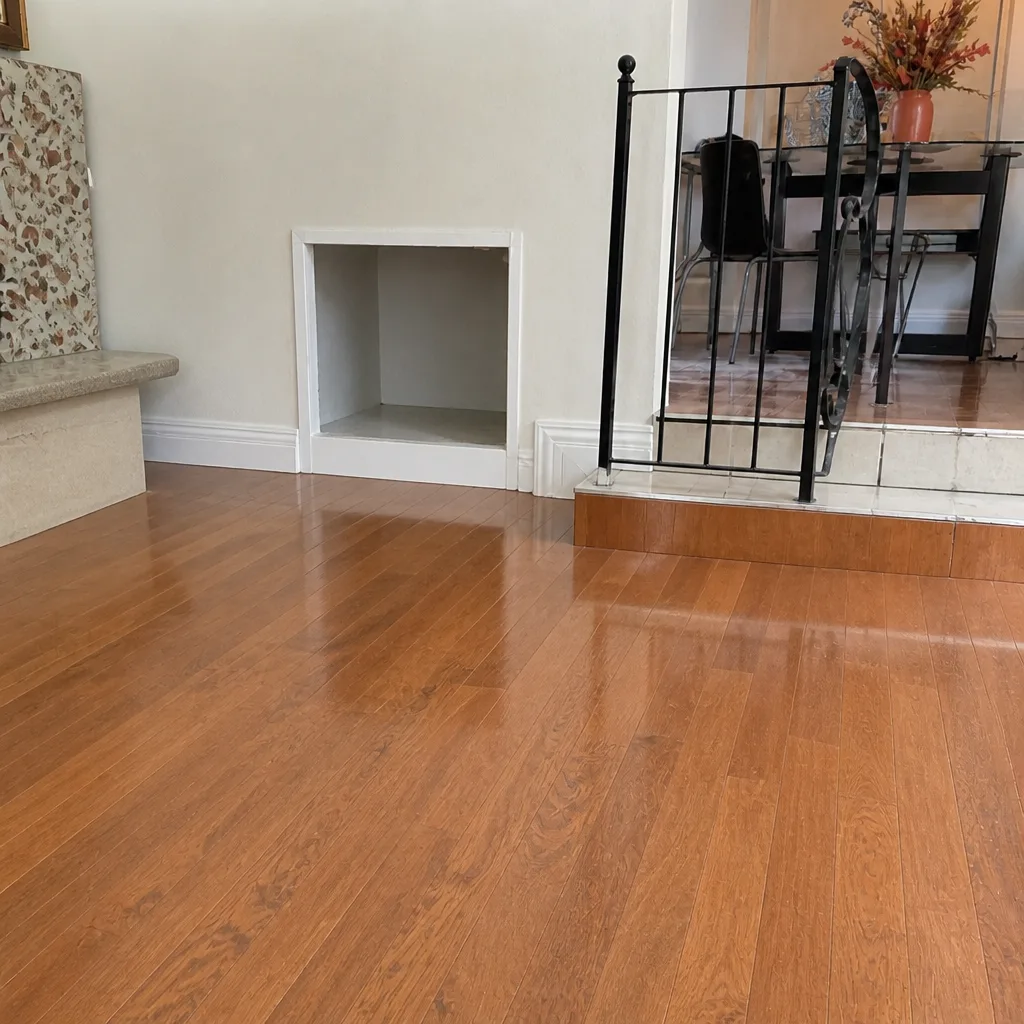
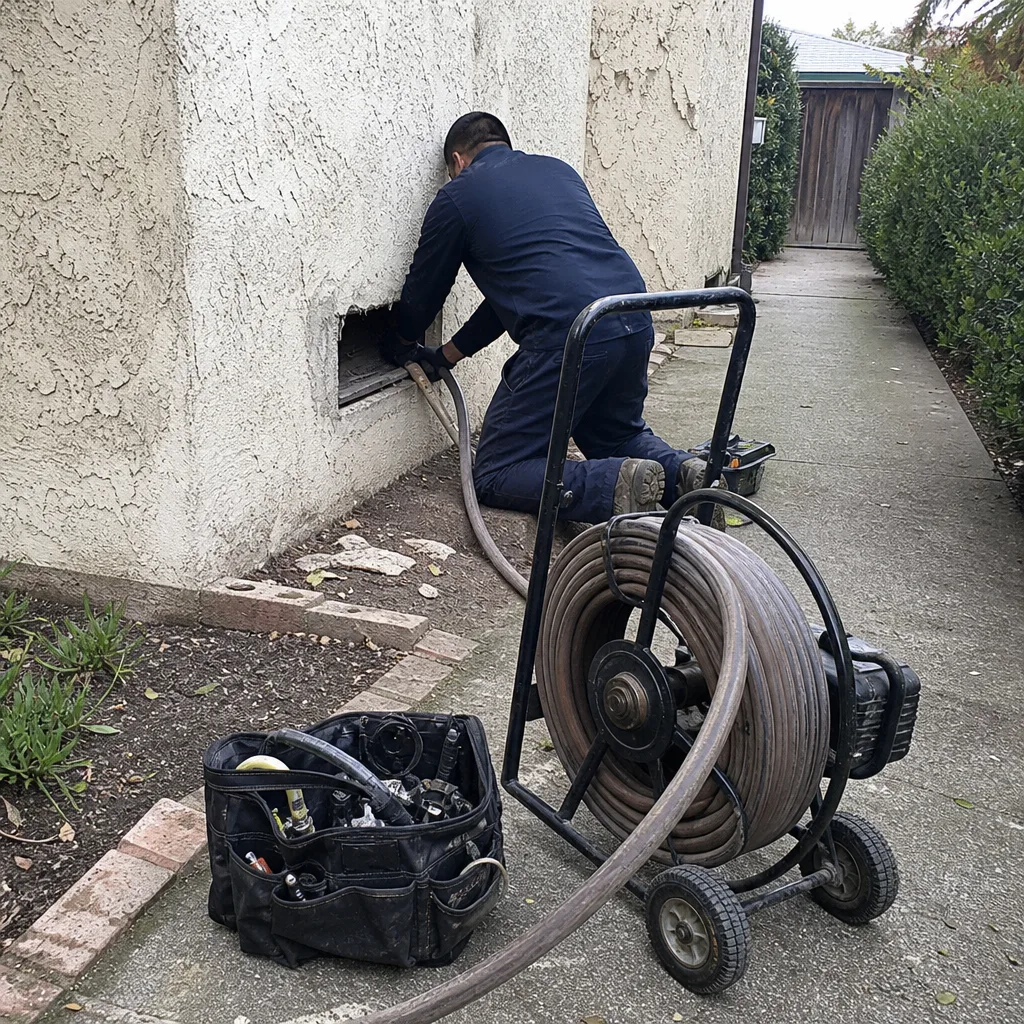
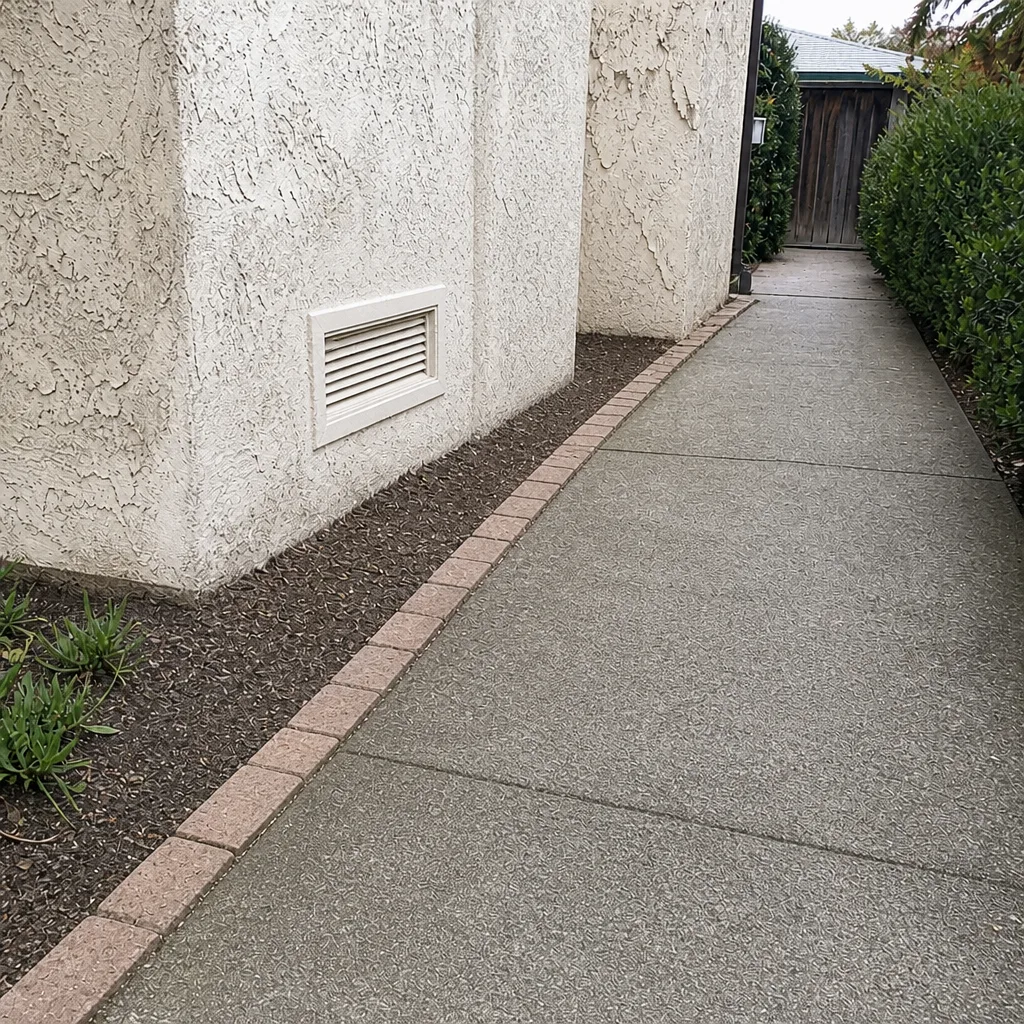
Whole-system duct and dryer vent check with before-and-after photos - you see exactly what came out of your vents
That "$99 whole-house special" is a bait ad - the real number appears once they are in your hallway, or the "clean" is a shop-vac at the register. We photograph the inside of your ducts before and after instead.
Air Duct Cleaning Maintenance Schedule: What to Do and When
The 3-to-5-year cleaning interval you see repeated across the internet was never based on measured contamination data. It was an industry compromise, a number broad enough to keep most systems from failing badly while simple enough to print on a magnet. Your actual interval could be 18 months or 8 years, depending on four specific factors inside your home. This guide from Elmwood Air Duct Cleaning explains what those variables are, how to read them in your own house, and how to build a maintenance schedule that fits the actual conditions in North San Jose, not a one-size-fits-all guess.
Styles & brands we work with
- Whole-home duct cleaning
- Dryer vent cleaning
- Camera inspection
- Sanitizing & deodorizing
Quick Answer
Most homes in North San Jose need air duct cleaning every 2 to 4 years, but the right interval depends on four measurable conditions: pet count, renovation history, HVAC filter grade, and proximity to local particulate sources like freight corridors and industrial zones. A home with two shedding pets, a recent remodel, and a basic fiberglass filter may need cleaning within 12 to 18 months. A pet-free home with a MERV 13 filter and no renovations might go 6 to 8 years. The trigger should be observable conditions, not a calendar date.
Table of Contents
- The Four Variables That Actually Drive Your Cleaning Interval
- What a Real Maintenance Schedule Looks Like
- Setting a Cleaning Trigger Based on What You Can See
- Just Bought a Home in North San Jose? Start Here
- Sheet Metal vs. Flex Duct: Why the Material Matters
- Filter Grades, Replacement Frequency, and the Aprilaire/Honeywell Question
- Renovation Dust: The Timeline Most Homeowners Underestimate
- The Pet Factor: Shedding Volume Changes the Math
- Common Mistakes to Avoid
- When to Call a Professional
- Frequently Asked Questions
- The Bottom Line
The Four Variables That Actually Drive Your Cleaning Interval
The difference between a duct system that stays clean for five years and one that gunks up in eighteen months comes down to what’s entering the system and what’s passing through it. We’ve cleaned enough North San Jose homes to see the same pattern repeat: two houses on the same block, built the same year, with wildly different duct conditions. The variables below explain why.
1. Pet count and shedding volume. One short-haired cat produces less dander and hair than two German Shedders. It’s not about having a pet or not. It’s about how much material the animal releases into the air, and whether that material gets pulled into the return registers. Homes with multiple pets, or pets that shed heavily, load a duct system with organic matter that binds to dust and forms the gray, fibrous buildup we scrape off duct walls.
2. Renovation activity. Drywall dust, sawdust, paint overspray, flooring adhesive particles – renovation work floods a home with fine particulate that neither furnace filters nor open windows fully clear. The dust settles inside ducts and stays there until physically removed. A single bathroom remodel can justify a full duct cleaning afterward, even if the ducts were cleaned a year prior.
3. HVAC filter grade and replacement frequency. This is the single most controllable variable in your maintenance schedule. A basic fiberglass filter catches large particles and lets fine dust pass through into the system. A MERV 11 or higher filter catches far more, but only if it’s replaced before it loads up and starts bypassing air. A dirty, high-grade filter is often worse than a clean, low-grade one because it forces air around the media, carrying unfiltered dust with it.
4. Local particulate conditions. North San Jose sits close to major freight corridors and light industrial zones. The baseline level of fine particulate in the outdoor air is higher than in a coastal suburb or a rural valley. That means the air entering your home through windows, doors, and fresh-air intakes carries more material with it. Homes near the busier truck routes in North San Jose simply load their ducts faster, everything else being equal.
What a Real Maintenance Schedule Looks Like
A maintenance schedule is not one task. It’s a rhythm of checks and actions that happen at different frequencies. Here’s what a sensible schedule looks like for a typical North San Jose home, broken down by what the homeowner does and what a professional does. Between professional cleanings, homeowners can run filter and register inspections that catch developing problems early.
- Monthly filter check. Hold the filter up to a light. If you can’t see light through it, replace it. Don’t wait for a calendar reminder. Do this on the first weekend of each month. Takes two minutes, costs nothing to inspect.
- Quarterly register wipe-down. Pull a few vent covers and wipe visible surfaces with a damp cloth. If you see a gray film reappearing within weeks, that tells you the system is moving dirty air. Note it. That’s a cleaning trigger signal.
- Semi-annual drip-pan and coil check. Look for standing water in the drain pan, signs of biological growth, or a musty smell when the AC runs. Water sitting in a pan feeds microbial growth that then gets distributed through the ducts. If you spot this, address the drainage issue first, then assess whether the ducts need cleaning.
- Professional assessment every 18 to 36 months. This does not always mean cleaning. It means visual inspection of accessible duct surfaces, plenums, and returns. The inspection tells you whether cleaning is due or whether you can extend the interval. We’d rather inspect a system and tell a homeowner they don’t need us yet than clean a system on a calendar schedule nobody has justified.
- Professional cleaning when triggered. When the observable conditions in the next section show up, schedule a cleaning. That might be at year two, year four, or year six. The trigger rules the schedule.
Setting a Cleaning Trigger Based on What You Can See
The best maintenance schedule is event-driven, not date-driven. Dates are convenient but arbitrary. Conditions are real. When you observe any of the following signs, the system is telling you it needs attention. These are the triggers we tell homeowners in North San Jose to watch for, because they reflect what’s actually happening inside the ductwork rather than what the calendar says.
- Visible dust building on supply registers within weeks of cleaning them. This means the air moving through the registers is carrying enough particulate to re-deposit on surfaces immediately. Clean air doesn’t do that.
- Gray, fibrous material visible when you look into a vent with a flashlight. That’s compacted dust, often bound with pet hair or renovation dust. It doesn’t blow out on its own. It needs mechanical removal.
- Uneven room-to-room airflow. If one bedroom always feels stuffy while the living room is comfortable, the run serving that room may be partially blocked by debris. Or a damper is stuck. Either way, it warrants a professional look.
- Musty or stale odor that starts when the fan kicks on. Odor that appears only when the system runs points to material inside the system, not the room itself. This can indicate biological growth in the ducts or coil area.
- Dust on surfaces returns within a day or two of thorough cleaning. When you dust the entire house and it’s back by midweek, the HVAC system is likely redistributing particulate that’s trapped inside the ductwork.
- Any visible water staining, rust, or dampness inside the ducts or at the plenum. Water and ducts don’t mix. Where there’s moisture, there’s eventual growth and material breakdown. This is not a cleaning-only situation. It’s a repair or source-correction situation first.
None of these triggers require special tools or mechanical knowledge. A flashlight, a damp cloth, and attention are enough. The point is to respond to what you observe, not to wait for a predetermined number of months to elapse.
Just Bought a Home in North San Jose? Start Here
A newly purchased home in North San Jose warrants a baseline duct cleaning regardless of when the previous owner said the system was last serviced. Here’s why: you have no way of verifying that claim, and you have no way of knowing what happened in the house between the last cleaning and your closing date. Sellers disclose what they remember or what they’re required to disclose. They don’t disclose what they never looked at.
What to look for in disclosure documents: any mention of water intrusion, mold remediation, pest activity, or prior renovation work. Any of those items, even years old, means material may remain in the duct system. Renovation dust especially. A disclosure entry like “bathroom remodeled 2022” is common. What it doesn’t tell you is whether the ducts were cleaned after the drywall was sanded. In many homes we inspect, they weren’t.
A baseline cleaning also gives you something valuable that has nothing to do with the dust inside the ducts: a visual inspection of the ductwork itself. We run professional-grade cameras and inspection tools into the system during a cleaning. This is how we catch separated flex duct, torn insulation sleeves, disconnected boots, and improperly sealed plenums – problems that have been silently wasting conditioned air for years. Finding those problems at move-in lets you fix them once, on your timeline, instead of discovering them years later.
If you’ve just closed on a home in North San Jose, treat the duct system like you’d treat a used car. You’d change the oil even if the seller said it was “just done.” Same principle. The system is now yours. Establish a known-good starting point.
Sheet Metal vs. Flex Duct: Why the Material Matters
Duct construction type changes your maintenance schedule in one specific way: flex duct needs more frequent inspection than rigid sheet metal, even when cleaning intervals end up similar. The reason is structural. Sheet metal ducts, when properly sealed, hold their shape and connections for decades. Flex duct consists of a wire coil wrapped in insulation and a plastic outer sleeve. That assembly is more fragile.
Flex duct fails in predictable ways: the inner liner separates from the connector at the boot, the insulation sleeve tears from a combination of heat cycling and physical contact, or the wire coil gets crushed by something stored on top of it in an attic. When any of these happen, three things occur simultaneously. Conditioned air escapes into unconditioned space. Unfiltered attic air gets pulled into the system through the breach. And the damaged section becomes a collection point for whatever particulate happens to be in the surrounding space.
This is why we tell North San Jose homeowners with flex duct systems to schedule a visual inspection of accessible duct runs at least every 24 months, even if the ducts themselves don’t need cleaning. The inspection might find a sagging run that needs support, a torn outer sleeve that’s bleeding conditioned air, or a separation at the plenum connection. Catching those problems early prevents them from becoming larger failures later.
The cleaning interval itself remains governed by the four variables. But the inspection interval is different for flex duct because the material itself is different. One system might need cleaning every 4 years but inspection every 2. That’s not a conflicting schedule. It’s a schedule that responds to what the materials actually require.
Filter Grades, Replacement Frequency, and the Aprilaire/Honeywell Question
Your HVAC filter is the first line of defense, and the grade you choose has a direct effect on how often your ducts need professional cleaning. This is also where the equipment conversation matters. We work regularly with homes that have integrated air-quality systems from Aprilaire and Honeywell, and we see the difference those systems make in duct condition over time.
A standard 1-inch fiberglass filter is essentially a debris catcher. It stops large particles and lets most fine dust pass straight into the system. If you’re running this type of filter, your ducts are doing the filtering, and your cleaning interval compresses accordingly. A MERV 8 pleated filter catches more. A MERV 11 or 13 catches significantly more. If a home runs MERV 13 and replaces the filter on schedule, the material load entering the ducts drops dramatically. Those homes clean ducts less often, and when we do clean them, there’s less to remove.
The catch: high-MERV filters create more resistance. Not every air handler is designed to push air through a MERV 13 without losing performance or stressing the blower. That’s the conversation we have with homeowners who are considering a filter upgrade. Increasing filtration without considering airflow is how people end up with a warmer house, a higher energy bill, and a blower motor that dies early. If you’re not sure what your system can handle, ask. This is exactly the kind of question a knowledgeable contractor should answer, not guess at.
Whole-home systems like Aprilaire media cabinets and Honeywell electronic air cleaners change the calculus further. These systems sit in the airstream and do active filtration work. But they also have service requirements of their own – media replacement, cell cleaning, ionization pad checks. A house with a well-maintained Aprilaire media cabinet generally keeps its ducts cleaner for longer. A house with a Honeywell electronic air cleaner that hasn’t been serviced in three years might be sending more charged particles down the ducts than an unfiltered system. The brand matters less than the maintenance diligence behind it.
Renovation Dust: The Timeline Most Homeowners Underestimate
Drywall dust is not normal house dust. It’s a fine, abrasive, alkaline powder that hangs in the air for weeks, settles into every horizontal surface, and gets pulled into the HVAC system through return registers and open plenums during construction. If your home in North San Jose has undergone any renovation that involved drywall cutting, sanding, flooring removal, or tile grinding, the ducts absorbed a meaningful amount of that material. Guaranteed.
The timeline matters. During active renovation, most homeowners shut the HVAC system off or close vents. Good practice. But the dust that settled in the house doesn’t vanish when the contractor leaves. It re-enters the airstream when the system fires up again, over weeks and months. Early cleaning after a renovation catches the bulk of it. Late cleaning catches the rest. No cleaning lets it pack into the duct walls and stay there.
Here’s our recommended sequence for renovation work, whether it’s a full kitchen remodel or a hallway repaint that involved sanding:
- During construction: Keep the system off or returns sealed while dust-generating work happens. Your contractor should do this as standard practice. If they don’t, flag it.
- Immediately after construction: Replace the filter. The construction period has loaded it with far more than a normal month of use ever would.
- Two to four weeks after the work is done: Have the ducts inspected and, in almost all cases, cleaned. This lets the initial dust cloud settle and enter the system naturally, then removes it in one pass.
- Three to six months after: A quick visual check of registers to confirm dust is not re-accumulating. If it is, there may be a secondary source – possibly material that settled inside the system during a gap in sealing.
“The ducts were cleaned before the renovation” is a common homeowner refrain. It doesn’t matter. Renovation resets the clock. The dust from the work is now in the system, regardless of what was done before the contractor arrived.
The Pet Factor: Shedding Volume Changes the Math
Let’s be direct about pets and ducts. Dogs and cats shed. Shedding releases hair and dander into the living space. Return registers pull air from that living space into the duct system. Hair and dander enter the ducts. End of story. The question is not whether pets contribute to duct contamination. The question is how much, and that depends on the animal and the household.
Here’s a practical way to think about shedding volume. A single short-haired dog produces a fraction of the material that two long-haired cats produce. A large breed with a double coat produces more than a small breed with a single coat. Multiple pets compound the load. The material that enters the ducts binds with dust, forms compacted deposits on duct walls, and creates the dense mats of hair-and-dust that require mechanical agitation to remove. This is exactly what the Rotobrush rotary-brush systems we run are designed to dislodge. A vacuum alone won’t pull compacted hair from a duct wall. The brush does the breaking work, and the vacuum captures what it frees.
If your home has two or more shedding pets, plan for a cleaning interval in the 18 to 30 month range, assuming standard filters and no other compounding factors. If that interval seems aggressive compared to the 3-year number you’ve heard elsewhere, remember: the 3-to-5-year figure assumed an average home. Homes with multiple pets are not average in particulate terms. They’re above the 90th percentile for duct contamination rate in our experience.
One more note: pet hair accumulates faster in returns than in supplies. The return side is where unfiltered air enters the system, carrying whatever the animal released. If you want to spot-check your own system, look at the return grilles first. If there’s visible hair matting on the return, there’s hair entering the ducts.
Common Mistakes to Avoid
- Replacing the filter more often instead of cleaning the ducts. A fresh filter does not remove what’s already packed into the duct walls. It only prevents new material from entering. The old material stays and keeps recirculating until mechanically removed.
- Using the cheapest available cleaning service and expecting the same result. Duct cleaning quality divides sharply between professional-grade equipment and consumer-grade setups. A service using a portable shop-vac with a brush attachment is not performing the same task as a contractor running a truck-mounted or HEPA-rated negative air machine. North San Jose homeowners who pay for a deep clean and get a surface wipe-down end up paying twice.
- Cleaning the ducts while ignoring a moisture problem. If water is entering the system from a leaking pan, a failed humidifier, or a condensation issue, cleaning the ducts just gives the mold a fresh surface. The moisture source has to be corrected first, or the cleaning is a temporary fix.
- Assuming the builder’s dust is gone because the house is five years old. We’ve pulled construction debris out of ducts in 20-year-old homes. Unless someone physically removed it, it’s still in there. Drywall dust, sawdust, and even drywall screws don’t work their way out on their own.
- Treating all rooms the same. Some rooms run longer duct branches or sit at the end of the trunk line. Those rooms collect more debris over time than rooms near the air handler. A schedule that doesn’t account for this assumes uniform conditions that don’t exist.
- Waiting until there’s a visible problem to think about the ducts at all. By the time dust is visibly blowing from registers, the system has been moving dirty air for a while. Observational triggers work when they’re checked. Ignorance is not a schedule.
When to Call a Professional
Some duct conditions are beyond what any maintenance schedule can address. If you see water damage, rust, or biological growth inside the ducts or at the plenum, that’s a repair issue first and a cleaning issue second. If you smell gas when the furnace runs, turn the system off and address the furnace directly. If you have a flex duct run that’s visibly collapsed, separated, or torn, it needs repair before cleaning makes any sense. If someone in the home is experiencing unexplained respiratory irritation that improves when they leave the house, a professional assessment of the air pathway is a reasonable step.
For residents in North San Jose who aren’t sure where they stand, we offer free estimates that include a visual inspection of accessible duct surfaces. We don’t schedule cleanings on a calendar, and we don’t recommend work that isn’t needed. If the system is clean, we’ll tell you that and help you keep it that way. Call (855) 506-8636. We answer 24/7. Fast dispatch from 7am to 7pm, Sunday through Friday.
Frequently Asked Questions
Most homes in North San Jose need air duct cleaning every 2 to 4 years, but the actual interval depends on pet shedding volume, renovation history, HVAC filter grade, and proximity to freight corridors and industrial zones that raise baseline particulate levels. Homes with multiple pets or recent renovation work often need cleaning within 18 months, while pet-free homes with high-MERV filtration can sometimes go 6 years or more. The trigger should be observable conditions rather than elapsed time.
You know your ducts need cleaning when you see dust building on supply registers within weeks of wiping them, gray fibrous material visible inside vents with a flashlight, musty odor that appears when the fan kicks on, or dust that returns to surfaces within a day or two of thorough house cleaning. Uneven room-to-room airflow can also indicate a partially blocked duct run. Any of these signs means the system is moving dirty air and should be inspected and likely cleaned. Call (855) 506-8636 for an inspection.
The price difference usually reflects equipment and process, not profit margin. A service using a portable shop-vac with a brush attachment cannot dislodge the compacted debris that a professional rotary-brush system removes. The cheaper service may also skip the negative-air setup that prevents dust from re-entering the living space. When the cheaper cleaning doesn’t change the air quality, the homeowner eventually pays for a second, proper cleaning. One flat price per system, set before work starts, is the honest way to quote this work.
If the ducts contain accumulated dust, pet dander, or biological material that has been recirculating through the home, removing that material can reduce the particulate load in the air. The duct system is not the only source of indoor allergens, but it’s a distributor. Removing the material that’s inside the ducts means the system is no longer adding to the problem. Homes with whole-home filtration from Aprilaire or Honeywell benefit further, as cleaner ducts mean the filtration system isn’t fighting an existing particulate reservoir.
Yes, if the builder did not run the HVAC system during construction with sealed returns, and many don’t. Construction dust enters the ducts during drywall sanding, flooring installation, and trim work, then remains there when the system first fires up. A cleaning after a new build or major renovation removes that material before it becomes compacted debris. The same applies to any home that has recently undergone renovation work in North San Jose.
Sheet metal ducts are rigid and hold their shape for decades, but flex duct uses a wire coil and insulation sleeve that can tear, crush, or separate at connections. Flex duct systems need more frequent visual inspection than sheet metal systems, even when the cleaning interval is similar. A damaged flex run leaks conditioned air and pulls unfiltered attic air into the system. We recommend inspecting accessible flex duct runs at least every 24 months to catch separation, sagging, and torn insulation before they become larger failures.
No, the dryer vent is a separate system with its own safety timeline. Dryer vent cleaning should happen when you notice longer drying times, excess lint around the dryer, or a burning smell during operation, and at minimum yearly for households that dry multiple loads per week. The duct cleaning schedule for the HVAC system runs on different variables. We treat dryer vent cleaning as a standalone safety service because a clogged dryer vent is a fire risk, not just an efficiency issue.
The Bottom Line
The right air duct cleaning schedule for your home in North San Jose is not a number you read on the internet. It’s a response to the conditions inside your house. Pet shedding volume, renovation activity, filter grade, and local particulate levels all push the cleaning interval shorter or longer. The schedule that works is simple: check filters monthly, inspect registers quarterly, do a visual system audit semiannually, and call for professional cleaning when the observable triggers tell you it’s time. That’s not a guess. It’s a maintenance plan built on what’s actually happening in your ducts. If you’d like a professional assessment, call (855) 506-8636 for a free estimate. We answer 24/7. Fast dispatch from 7am to 7pm, Sunday through Friday.
Written by the team at Elmwood Air Duct Cleaning, serving North San Jose since 2018.
See the difference
 Before
 After
 Before
 After
 Before
 After