
Last updated November 4, 2026
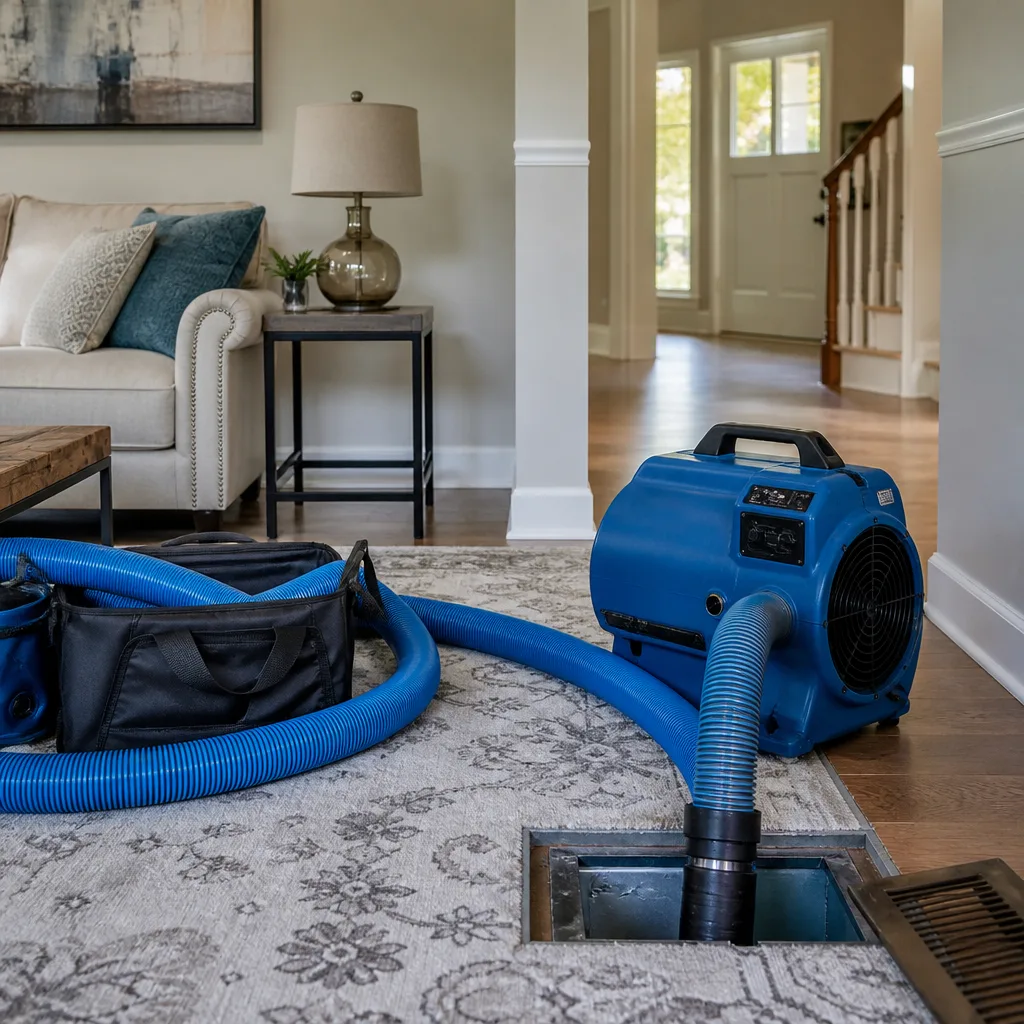 Whole-home duct cleaning
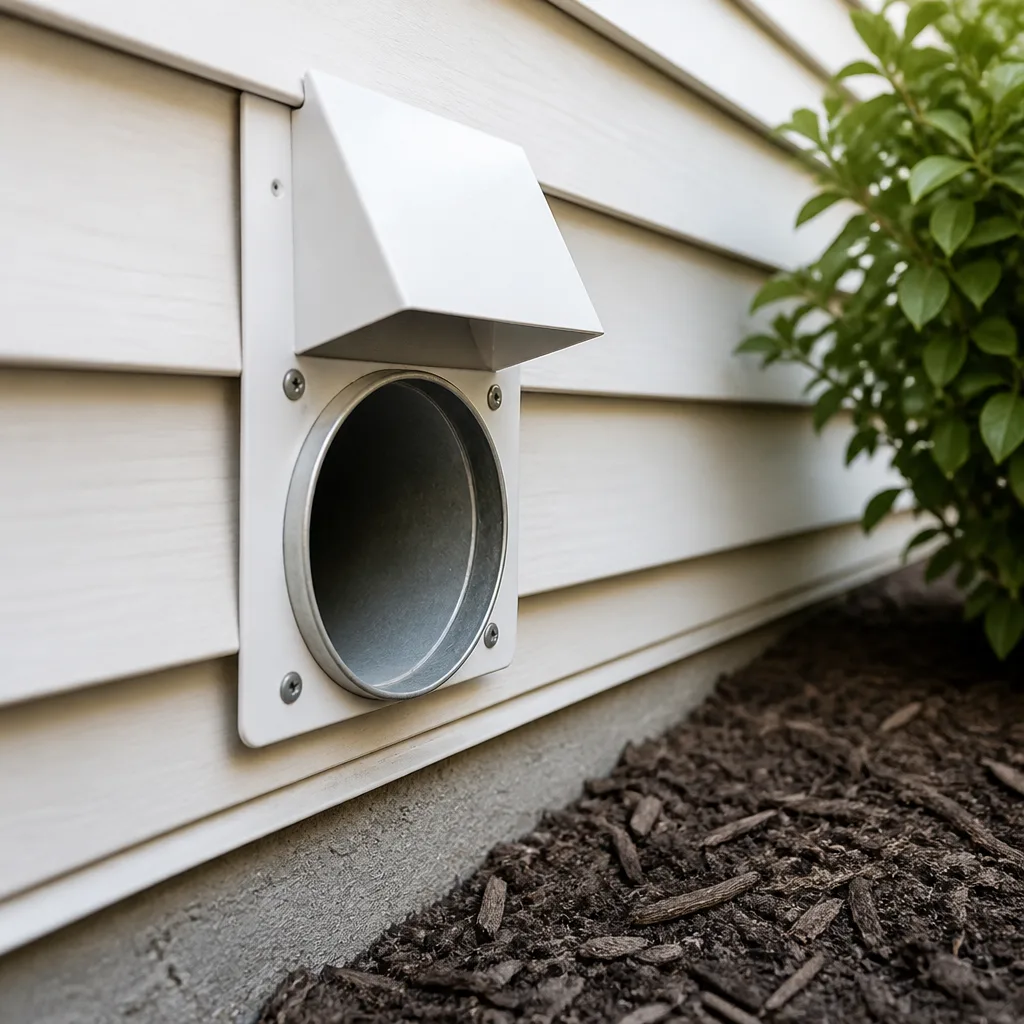 Dryer vent cleaning
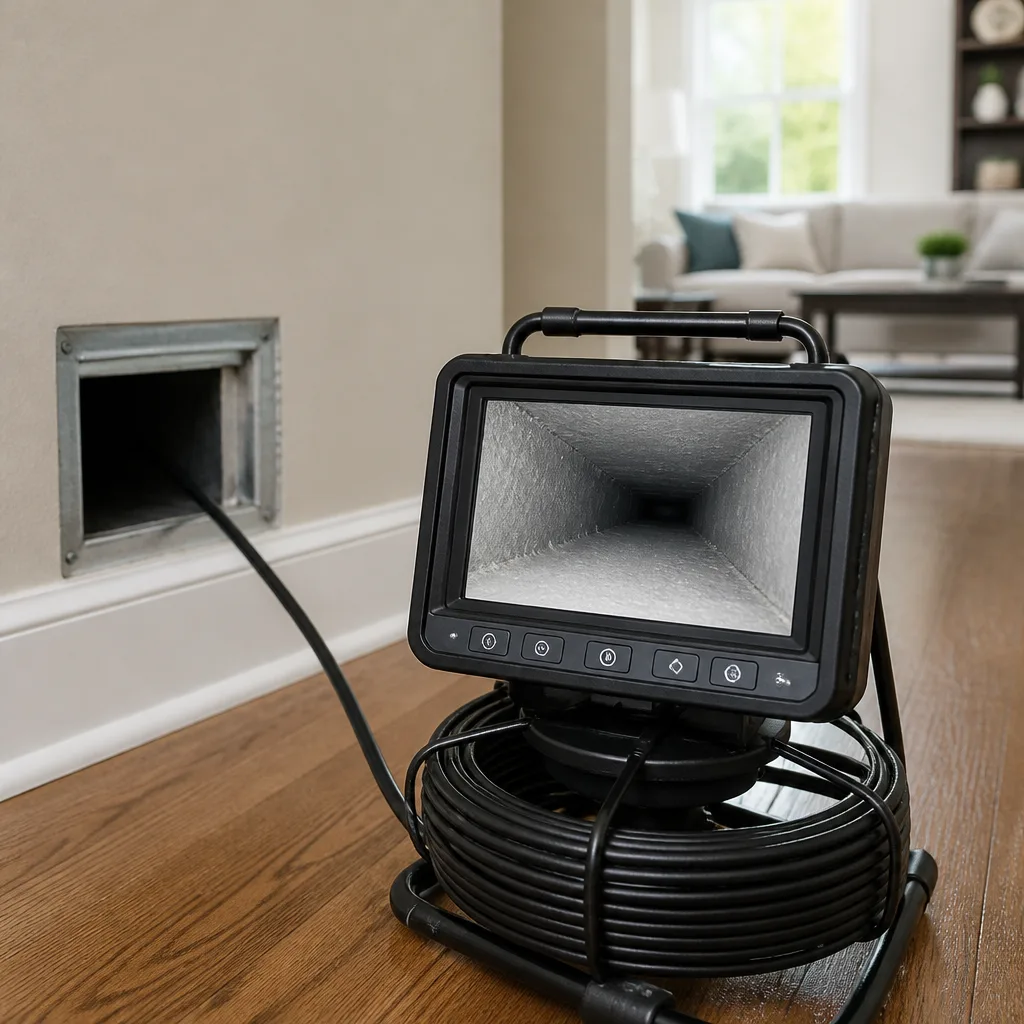 Camera inspection
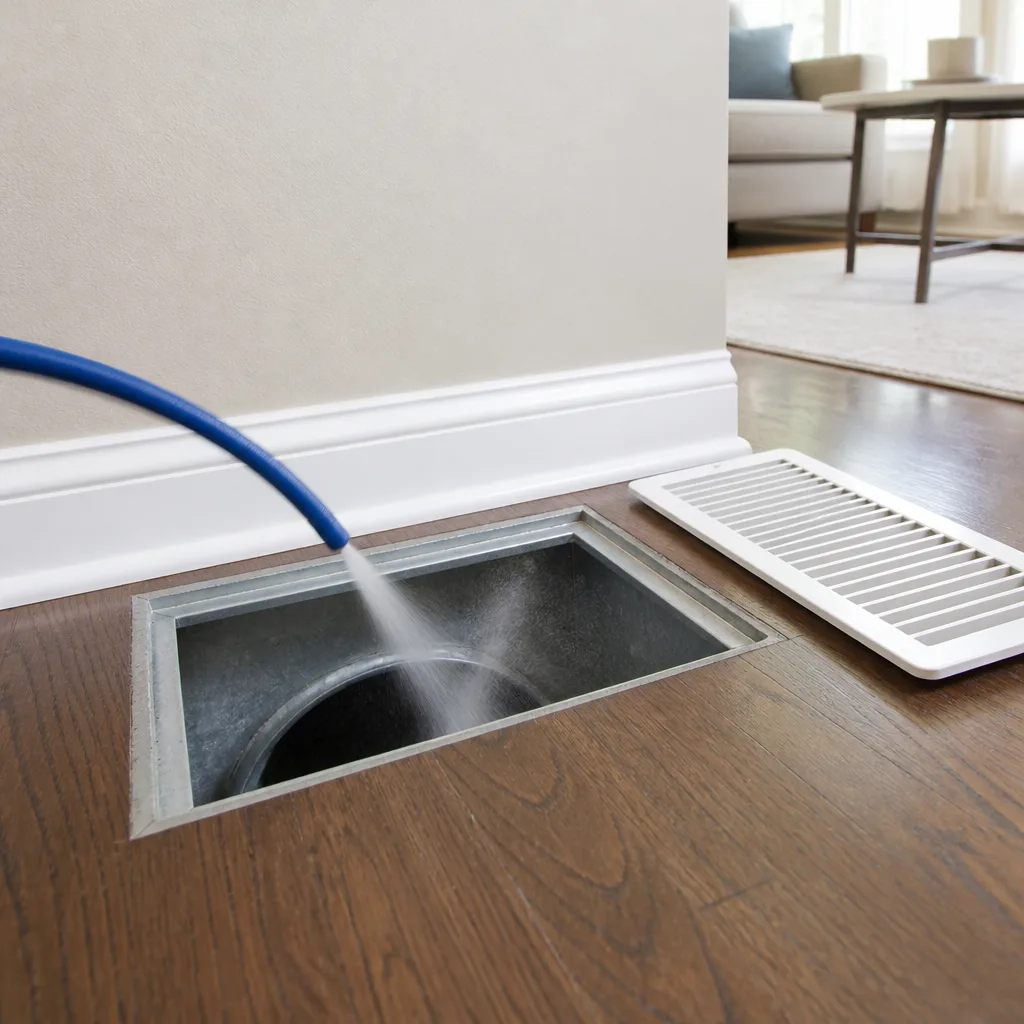 Sanitizing & deodorizing
Whole-system duct and dryer vent check with before-and-after photos - you see exactly what came out of your vents
That "$99 whole-house special" is a bait ad - the real number appears once they are in your hallway, or the "clean" is a shop-vac at the register. We photograph the inside of your ducts before and after instead.
Air Duct Cleaning Cost Breakdown: The North San Jose Homeowner’s Reference for 2026
Most homeowners in North San Jose call around for duct cleaning quotes and end up staring at two numbers that make no sense side by side: $99 and $1,200. Both claim to clean the same ducts in the same house. The difference is not markup or greed in most cases. It’s equipment, labor time, what actually gets cleaned, and what happens when the technician finds something wrong. This guide walks through the real cost drivers, the upsells worth questioning, and how to read a written estimate so you’re comparing the same job across contractors. If you live in North San Jose, the pricing context here reflects what our market actually looks like in 2026, not a national average that assumes a different climate and a different housing stock.
Styles & brands we work with
- Whole-home duct cleaning
- Dryer vent cleaning
- Camera inspection
- Sanitizing & deodorizing
Quick Answer
Air duct cleaning in North San Jose typically falls between $300 and $700 for a full system on a standard single-family home, with larger homes or heavier contamination pushing toward $900 to $1,200. The final price depends on duct footage, vent count, accessibility, contamination level, and equipment type. Written estimates should list these line items so you can compare scope, not just a bottom-line number.
Table of Contents
- What Actually Drives the Cost of Air Duct Cleaning
- The Three Price Tiers: What $99, $450, and $900 Actually Buy
- Upsells to Scrutinize: Which Add-Ons Have Real Value
- Why the Cheapest Quote Is Structurally Impossible to Do Honestly
- What Happens When the Technician Finds Mold, Disconnects, or Rodents
- How to Compare Quotes: The Line Items a Written Estimate Should Include
- Common Mistakes to Avoid
- When to Call a Professional
- Frequently Asked Questions
- The Bottom Line
What Actually Drives the Cost of Air Duct Cleaning
Duct cleaning is priced by the physical realities of your house, not by a flat national rate. The primary driver is total linear footage of ductwork. A 1,200-square-foot home in North San Jose might have 80 to 120 linear feet of ducts, while a 3,000-square-foot two-story home can run 250 feet or more. More footage means more time with the agitation tools inside the duct, more passes with the vacuum collection unit, and more labor overall.
The second driver is vent count. Every supply and return register needs to be accessed, removed or covered, cleaned at the opening, and reseated. A typical North San Jose home has 8 to 14 supply vents and 2 to 4 returns. Each additional vent adds perhaps 10 to 15 minutes of labor, and labor is the single largest component of any legitimate duct cleaning invoice.
The third factor, accessibility, matters more in this region than in many others. North San Jose has a mix of slab-foundation ranchers from the 1960s and 1970s, two-story homes from the 1980s and 1990s, and newer builds. In slab homes, return ducts often run through the foundation or in tight chase spaces. In two-story homes, the upstairs runs can cross through floor joists. If the air handler is in an attic, the technician needs ladder access, headroom, and a safe working surface. If it’s in a garage closet, tight clearances slow the work. These are real time costs, not upsell padding.
Contamination level sets the pace too. Mild dust buildup cleans quickly. But if the previous occupants had pets, or if renovations sent drywall dust through the returns, or if the return registers show visible matting, the job slows down. Heavy debris requires slower passes, more agitation, and sometimes a second pass on the worst runs. Equipment type also matters. Portable shop-vac setups, even with a spinning brush attachment, cannot create the negative pressure needed to pull loosened debris out of the full duct run. Professional negative-pressure systems like the Nikro HEPA-vacuum units our team uses pull air through the entire system while the mechanical agitation does its work. That machinery takes longer to set up but delivers a fundamentally different result. To understand the full process, see how air duct cleaning is handled start to finish.
The Three Price Tiers: What $99, $450, and $900 Actually Buy
North San Jose quotes cluster into three bands, and the spread is wider than in most trades. Here’s what distinguishes each tier.
The $79 to $149 Tier
This is the Groupon and direct-mail tier. The offer is almost always a whole-house price with a vague scope: “up to 12 vents,” “unlimited vents,” or no vent count at all. The equipment is typically a portable vacuum with a rotating brush head, often powered by a standard wall outlet and a short hose. It physically cannot reach the full length of a return or supply run from one opening, and it cannot maintain negative pressure across the system. In practice, these jobs often become sales calls for expensive add-ons once the technician is inside. The $99 price is a foot in the door, not a complete service. If you call a $99 company and ask what equipment they use, what the scope includes in writing, and what happens if they find a disconnected duct, the answers usually reveal the structural problem.
The $300 to $550 Tier
This is the legitimate professional range for a standard single-family home in North San Jose without unusual contamination. At this price, you should expect: professional rotary-brush or compressed-air agitation, a HEPA-filtered negative-pressure collection system (not a standard vacuum), access to every supply and return, air-washing of the registers and grilles, and a written report of what was done. Our team runs Rotobrush rotary-brush systems with Nikro HEPA vacuums for exactly this reason. The equipment cost alone on a professional setup runs tens of thousands of dollars, and the maintenance on HEPA filters, brush heads, and hoses is continuous. That’s part of what the price reflects.
The $650 to $1,200 Tier
This tier is legitimate when the job justifies it. Large homes over 3,000 square feet, systems with long runs and multiple returns, pet-heavy households, post-renovation dust, or visible debris matting all push into this range. It also applies when the homeowner asks for additional work: dryer vent cleaning as a separate scope item, access-panel installation for sections of duct that have none, or repair work on disconnected or crushed runs. A $900 invoice is not automatically a rip-off. But it should be justified in writing, line by line, with the reason for the additional time and materials clearly stated.
For comparison on a related scope item, dryer vent cleaning in this area is often priced separately because it requires different tools and a different access pattern.
Upsells to Scrutinize: Which Add-Ons Have Real Value
The duct cleaning industry has a documented problem with add-on selling, and smart homeowners learn to separate the useful extras from the margin-builders before the technician arrives. Here’s how we’d evaluate the common ones honestly.
Antimicrobial Treatments and “Sanitizing Foggers”
These are the most common upsell in the industry, often quoted at $150 to $400. The pitch is that after cleaning, the technician can fog the ducts with an antimicrobial or sanitizing agent to kill bacteria, mold spores, and odors. The reality is more complicated. Most antimicrobial products applied as a fog have limited residence time on duct surfaces, and the air moving through the system will carry away much of the product within days. If you have active mold growth in the ducts or on the coil, the correct approach is removal of the contaminated material or cleaning with mechanical agitation, not a chemical fog applied over the top. There are specific situations where an EPA-registered antimicrobial is appropriate, such as after a sewage backup or a confirmed biological contamination event, but in those cases the product should be applied as part of a documented remediation process, not sold as a $200 add-on to a routine cleaning. We carry Abatement Technologies equipment for situations involving fine particulates or biological contaminants, but we do not sell fogging as a default. Ask what product is being applied, what organism it targets, and whether mechanical removal happened first.
UV Light Installation
UV-C lights installed inside the air handler can reduce mold and bacteria on the coil and nearby surfaces, and they do have a legitimate role in homes with chronic coil contamination or occupant respiratory sensitivities. But they are not a substitute for cleaning. A UV light does not remove dust from ducts, does not clear a clogged return, and does not address a dirty blower wheel. If a technician pushes UV as part of a duct cleaning call, ask whether the coil has been inspected and cleaned first. UV is a long-term maintenance tool, not a cleaning step.
Dryer Vent Add-Ons
Dryer vent cleaning is frequently offered as a $50 to $100 add-on during a duct cleaning appointment. The scope matters more than the price. A proper dryer vent cleaning runs a rotary brush or compressed-air tool the full length of the vent, from dryer outlet to exterior termination, and verifies airflow at the end. A minimal job that only clears lint from the first few feet is not the same service. If you want the vent actually cleared, it’s often better to have it performed as a standalone service with its own scope and verification. That’s why we offer dryer vent cleaning as a dedicated service rather than a checkbox item.
Air Filter Upgrades
Technicians sometimes offer upgraded filters, often a high-MERV pleated filter at $30 to $60 each. A filter upgrade can be legitimate if your system can handle the airflow restriction. Higher-MERV filters trap smaller particles but also increase static pressure. If your system wasn’t designed for a MERV 13 filter, you’ll reduce airflow, increase energy use, and potentially shorten blower motor life. If you’re running an Aprilaire or Honeywell whole-home filtration cabinet, the filter spec is set by the cabinet, and you should match the manufacturer’s recommendation. For standard 1-inch filter slots, a MERV 8 to 11 pleated filter is usually the sensible zone, and you can buy those yourself at any hardware store for less than the upsell price.
Why the Cheapest Quote Is Structurally Impossible to Do Honestly
The math behind a $99 whole-house duct cleaning offer does not close. Not in North San Jose, and not anywhere else in the country where labor, fuel, insurance, and equipment costs are real. Here’s what a legitimate job requires.
For a standard 1,400-square-foot home with 10 vents and 2 returns, a proper negative-pressure cleaning takes two technicians roughly three to four hours, sometimes longer. That’s six to eight person-hours of labor. At market rates for trained technicians in Santa Clara County, that’s $180 to $350 in labor alone before any overhead. Equipment is the next line. A professional Rotobrush system with a Nikro HEPA vacuum represents a capital investment in the tens of thousands of dollars. HEPA filters for negative-air machines run $150 to $400 each and are replaced on a schedule. Brush heads, hoses, and seal materials wear with use. Truck, fuel, insurance, licensing, and administrative costs all sit behind every service call in California. Finally, the company itself needs profit to exist as a business, not a hobby.
Add those lines together and a legitimate full-system cleaning cannot be delivered for $99. Not at a loss, not at break-even, and not honestly. When you see that price, one of three things is happening: the job is a loss leader to get a salesperson inside the house, the scope is so narrow that it’s not a real cleaning, or the crew is being pushed to finish in 45 minutes and move to the next stop. None of those outcomes are good for your ducts. Our position at Elmwood is straightforward: the price is set by written estimate before work begins, and that price reflects the real job, not a teaser.
What Happens When the Technician Finds Mold, Disconnects, or Rodents
One of the least-discussed parts of duct cleaning is what happens when the job surfaces a problem that wasn’t visible at the estimate stage. This is where legitimate additional costs can appear, and it’s also where dishonest operators inflate small findings into emergency-priced repairs. Knowing the difference helps you respond calmly and correctly.
Mold and Biological Growth
If the technician finds visible mold inside the ducts or on the air handler surfaces, the situation changes. Mechanical cleaning can remove surface growth on smooth duct walls, but mold inside fibrous duct liner or on porous surfaces may require liner removal or replacement. This is beyond a routine cleaning scope. A legitimate contractor will show you the affected area, explain why standard cleaning won’t resolve it, and recommend the next step. That may mean cutting out and replacing a section of insulated flex duct, which typically runs $150 to $400 per run in this market, or cleaning and treating the air handler and coil, which is a separate scope item. The critical question is whether the recommendation addresses the actual problem. We work with Abatement Technologies equipment for high-particulate situations, and we’re comfortable telling a homeowner when the proper fix is a repair, not another cleaning pass.
Disconnected or Crushed Ductwork
Duct runs come apart at joints, flex duct gets crushed by storage boxes or crawlspace work, and the result is conditioned air leaking into attics and wall cavities. If the cleaning technician finds a disconnected section, the honest response is to show you the separation and recommend repair. We offer air duct cleaning and repair under the same roof, so the finding goes straight into a repair recommendation with a price, not a shrug. If you’re working with a cleaning-only company that doesn’t repair, they may repair it poorly with tape, or they may ignore it because fixing it isn’t in their scope. Either way, you’ve paid for a cleaning that won’t deliver clean air to the rooms that matter.
Rodent or Pest Evidence
Droppings, nesting material, and chewed sections of flex duct are not things a duct cleaning resolves. The first step is pest exclusion from a pest control provider. After the animals are gone and entry points sealed, the contaminated duct sections should be removed and replaced. Cleaning alone cannot make chewed or soiled flex duct hygienic again. If a technician finds this and simply offers to vacuum it out and spray something, that’s not a sufficient response. A legitimate company will tell you what needs replacement and why.
How to Compare Quotes: The Line Items a Written Estimate Should Include
Comparing three duct cleaning quotes in North San Jose typically means comparing three different scopes, which makes the exercise useless unless you force them into a common format. Here’s the structure we recommend, and the one we use ourselves.
A defensible written estimate should include these line items:
- Property square footage and duct zone count. You want to know the contractor has accounted for the whole system, not a guess based on a phone call.
- Linear footage of ductwork, or an equivalent zone-based description. Some companies price by footage, some by zones or runs. Either is fine as long as it’s specified.
- Number of supply vents and return vents included. If a quote says “up to 10 vents” and your home has 14, the price will change on site. That should be flagged before you sign.
- Equipment type and process. The estimate should state the agitation method (rotary brush, compressed air, or other) and the collection method (HEPA negative air, portable vacuum, truck-mounted unit). If it doesn’t, ask.
- Inclusions beyond the basic clean. Are registers and grilles cleaned and reseated? Is the blower compartment inspected? Are access panels included if missing?
- Excluded scope items and contingency pricing. What happens if mold is found, if a duct is disconnected, if the dryer vent needs cleaning? A good estimate addresses these possibilities in advance.
- Total price and payment terms. One flat price per system, agreed before work starts. If the quote is hourly, ask for a not-to-exceed figure in writing.
If you get three quotes and one of them has no equipment listed, no vent count, and a price that’s $200 below the other two, that’s not a bargain. It’s a different job with the same name. For a deeper look at how North San Jose homes are built and how that affects HVAC work, our local guide covers the common construction patterns in this area.
Common Mistakes to Avoid
- Choosing by price alone. Duct cleaning is the wrong trade to let a $50 difference decide the contractor. The gap between a $99 flash offer and a real cleaning is not grace, it’s missing scope.
- Not asking for the estimate in writing. A verbal quote protects no one. If the scope and price aren’t written down before work starts, the final invoice is whatever the technician says it is.
- Assuming all equipment is the same. A portable shop vacuum with a spinning brush cannot do what a negative-pressure HEPA system does. This is the single biggest difference between a $200 and a $500 job.
- Accepting a fogging or sanitizing upsell without justification. If the ducts were mechanically cleaned, fogging adds little. If there’s an actual contamination event, fogging alone won’t fix it.
- Ignoring the dryer vent while the crew is already on site if it hasn’t been serviced recently. Lint accumulation is a fire risk, and it’s often more urgent than the ducts themselves. Ask about it as a separate scope, not a goodwill extra.
- Not asking whether the company also repairs ducts. If the only tool they have is a cleaning brush, a disconnected run gets ignored. You want a company that can fix what it finds.
When to Call a Professional
The clearest signals are visible ones. If you can see dust matting on the return grilles, or you notice a puff of dust when the system kicks on, or your registers show streaking on the walls above them, those are mechanical indicators that the system is moving debris. Respiratory symptoms that improve away from home are another common trigger. Renovation dust, new pet adoption, or a family member with asthma or allergy sensitivities all tilt the decision toward getting a professional assessment. If the previous owner had pets, and the system has never been cleaned, it’s reasonable to assume the ducts have accumulated what the filters missed. Elmwood Air Duct Cleaning offers free estimates in North San Jose. Call (855) 506-8636 and we’ll walk the system with you, show you what’s inside, and write a scope with a flat price before any work begins. We answer 24/7. Fast dispatch from 7am to 7pm, Sunday through Friday.
Frequently Asked Questions
Most North San Jose homes fall between $300 and $700 for a full system cleaning, with larger homes or heavy contamination reaching $900 to $1,200. The estimate should be written and based on duct footage, vent count, and accessibility. Call (855) 506-8636 for an exact quote, the estimate is free.
Cheaper quotes usually mean a narrower scope, portable equipment that cannot do a full-system clean, or a loss leader intended to get a salesperson into the house. A $99 whole-house offer is structurally inconsistent with the labor and equipment a real job requires.
A professional negative-pressure system, like the Nikro HEPA units we run with Rotobrush rotary agitation, maintains suction across the entire duct system while the agitation loosens debris. A shop vac can only pull from a short distance through a narrow hose, so most of the duct run gets agitated but not collected. The debris settles back into the ducts after the job.
Ask for before-and-after photos of the supply and return runs, not just the registers. A legitimate contractor will show you what the duct interior looked like before and after. If they can’t, or if the only photos are of the register openings, that’s a signal the interior wasn’t accessed.
Most households need a professional cleaning every 3 to 5 years. Homes with pets, smokers, recent renovation work, or occupants with respiratory sensitivities may warrant cleaning every 2 to 3 years. If you’ve never had it done and the home is 10 years old or more, the first cleaning is usually the most valuable one.
It’s often practical to combine the visits since the equipment and crew are already on site, but the dryer vent should be scoped and priced as its own service with its own verification, not handled as a quick add-on. A proper dryer vent cleaning runs a brush the full length to the exterior and confirms airflow at the termination. If it’s been more than a year or two, the lint accumulation is worth addressing regardless of when the ducts were last cleaned. Call (855) 506-8636 and we’ll scope both.
The Bottom Line
Duct cleaning in North San Jose is priced somewhere between junk-mail coupons and full-system professional work, and the difference is measurable in equipment, labor time, and what actually happens to the debris inside your ducts. A legitimate job on a standard home runs $300 to $700, with higher totals justified by square footage, access difficulty, contamination, or repair findings. The cheapest quote cannot deliver honest work. The most expensive quote should be justified line by line. And the estimate should always be in writing, with the scope defined before the crew arrives. If you’d like a real look inside your system, Elmwood Air Duct Cleaning provides free estimates and flat-price written scopes. Call (855) 506-8636. We answer 24/7. Fast dispatch from 7am to 7pm, Sunday through Friday.
Written by the team at Elmwood Air Duct Cleaning, serving North San Jose since 2018.
See the difference
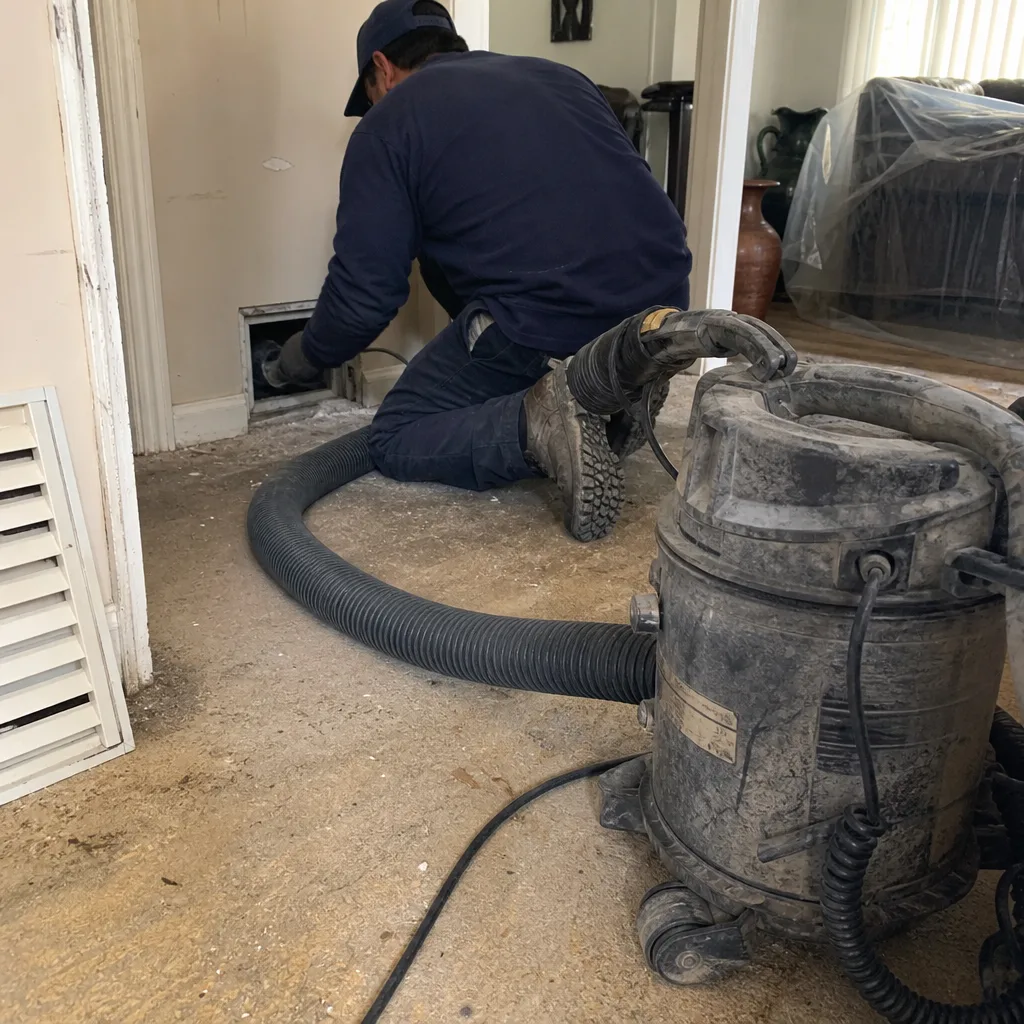 Before
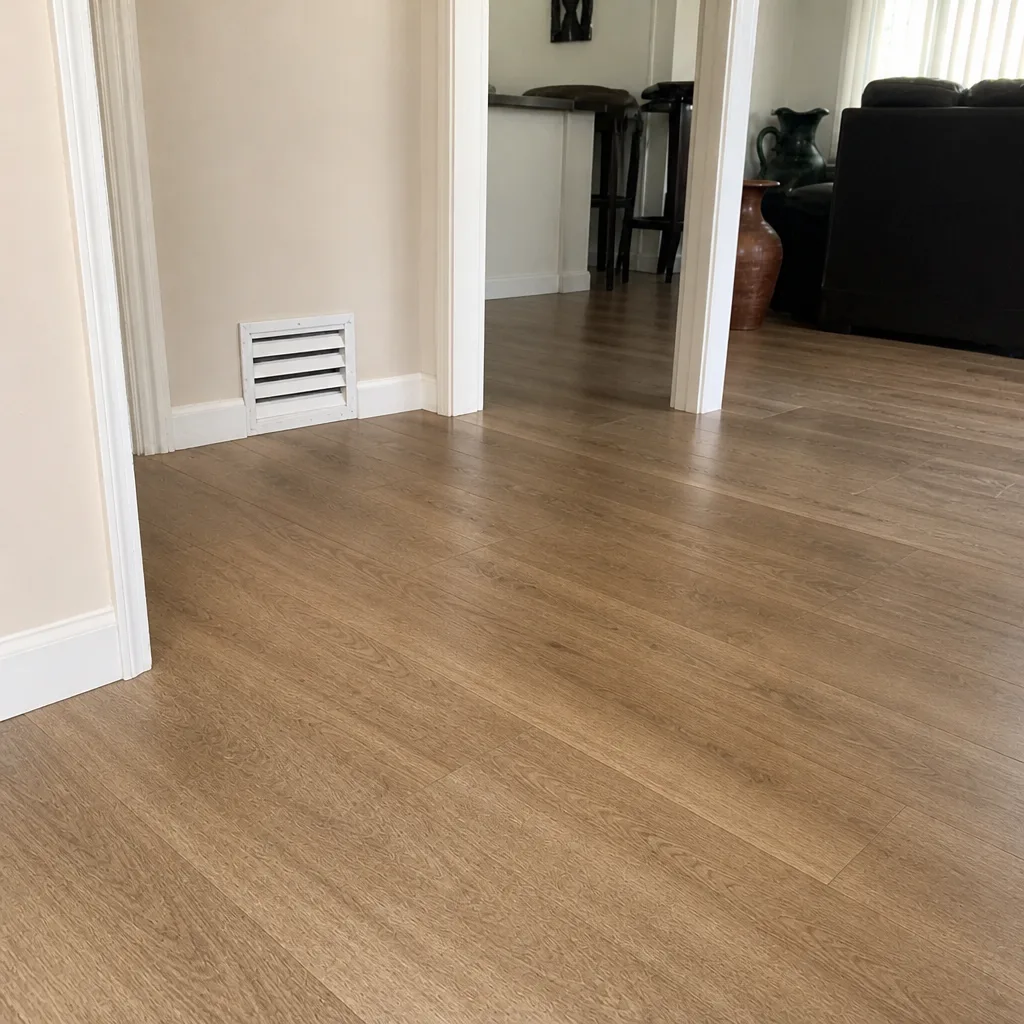 After
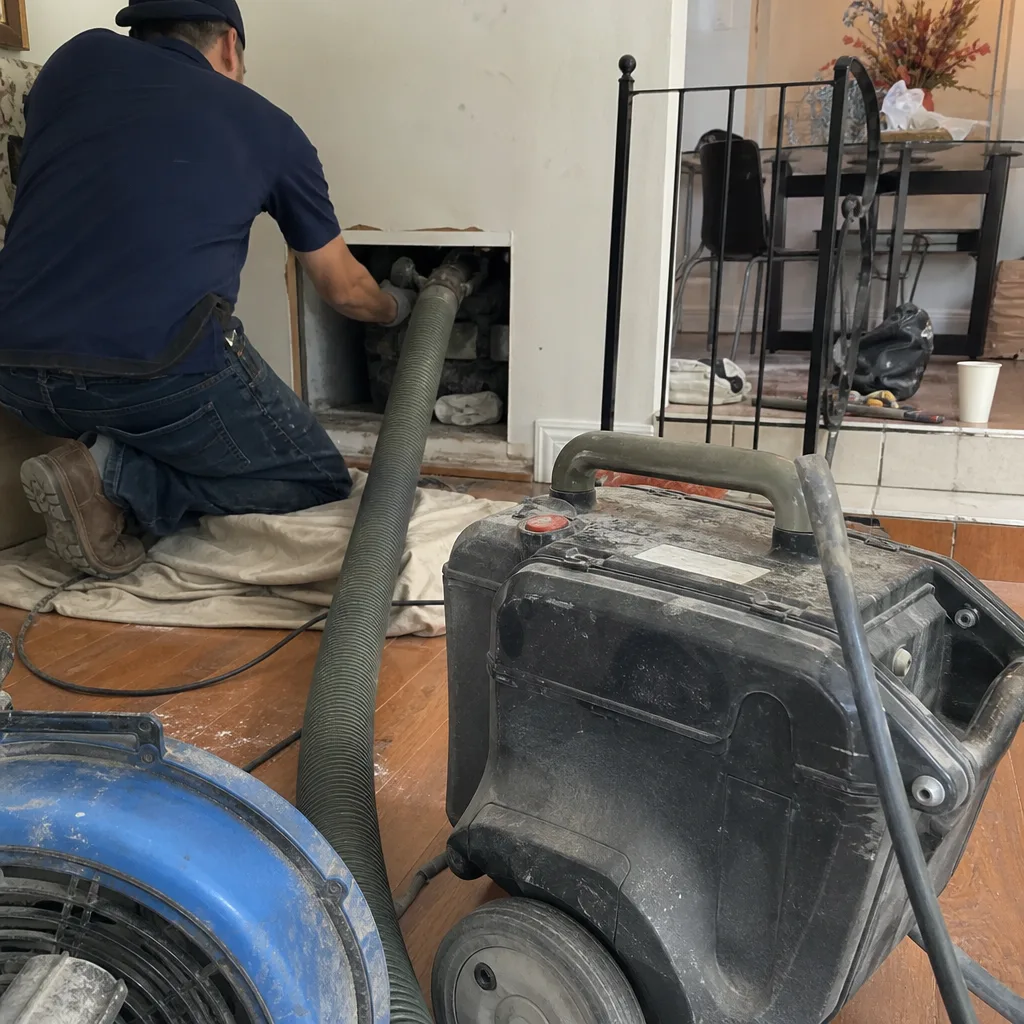 Before
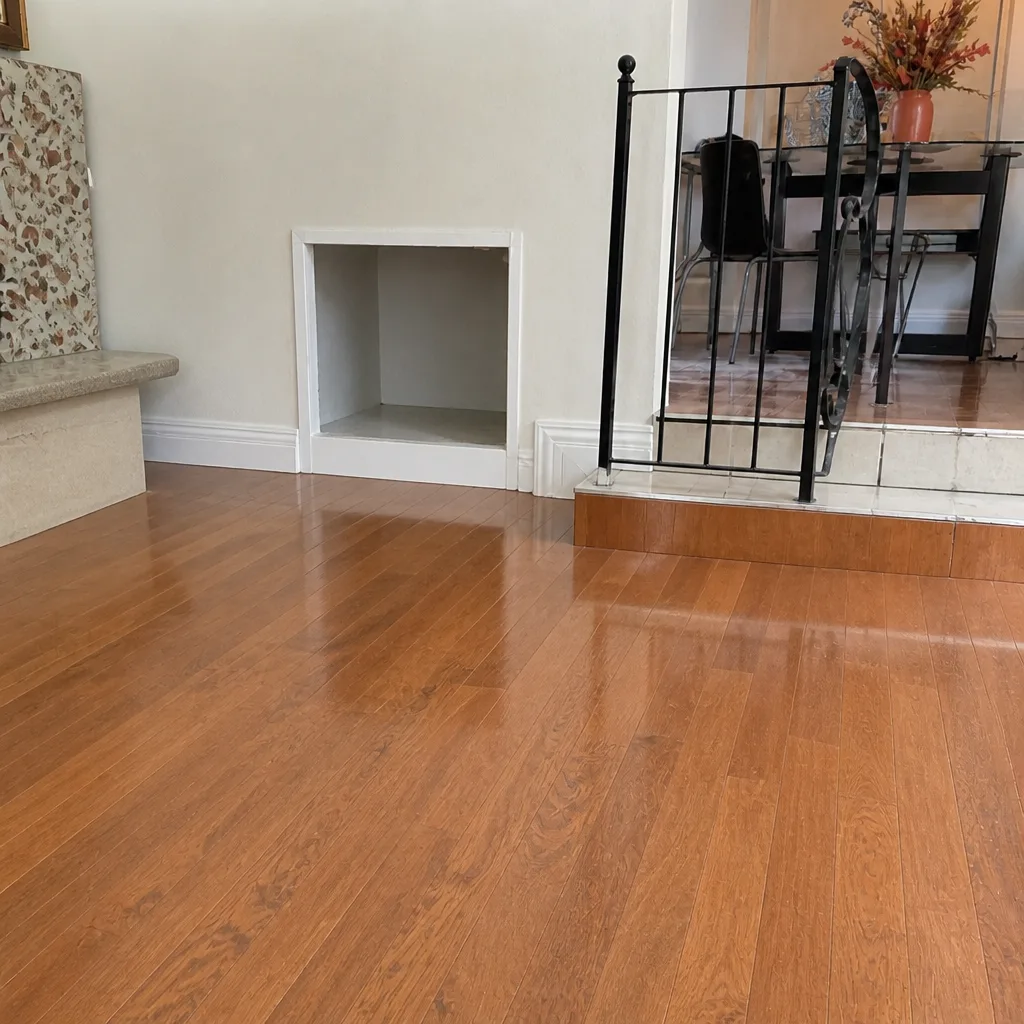 After
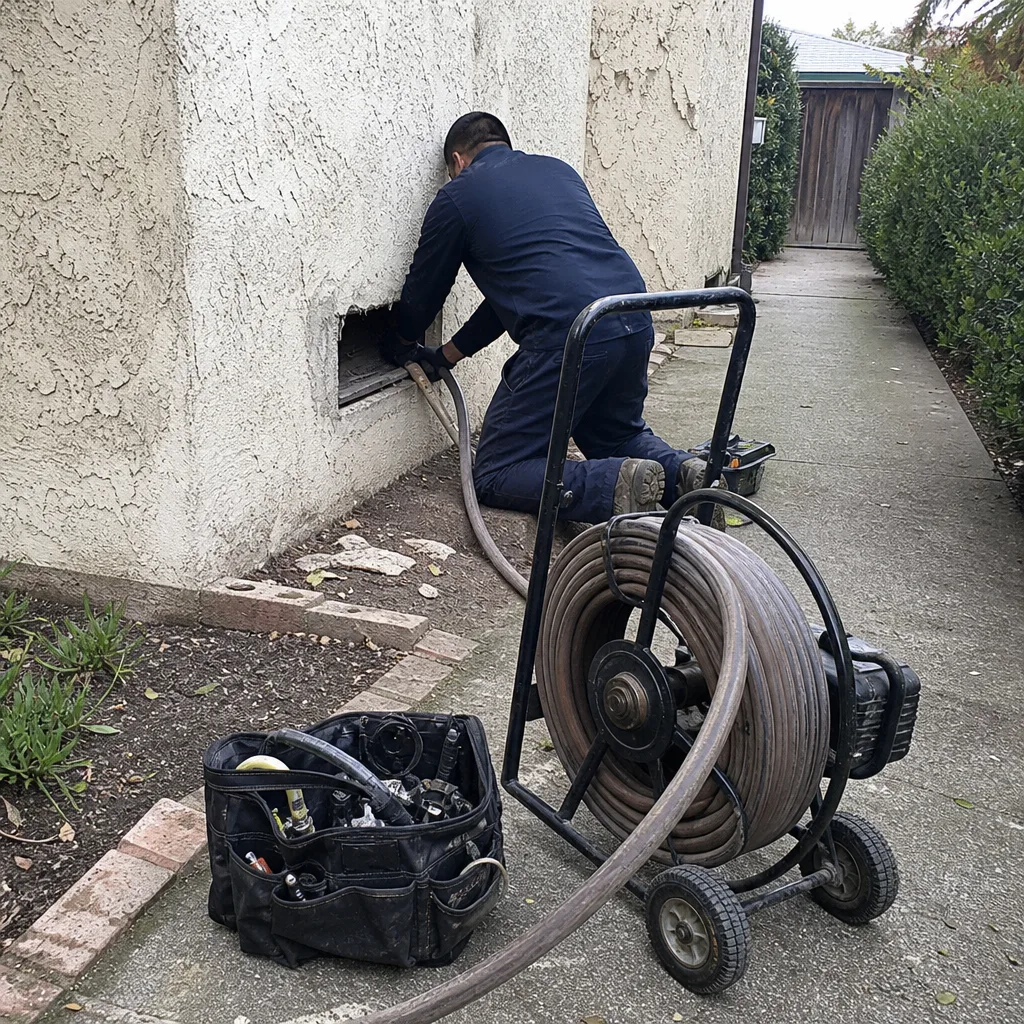 Before
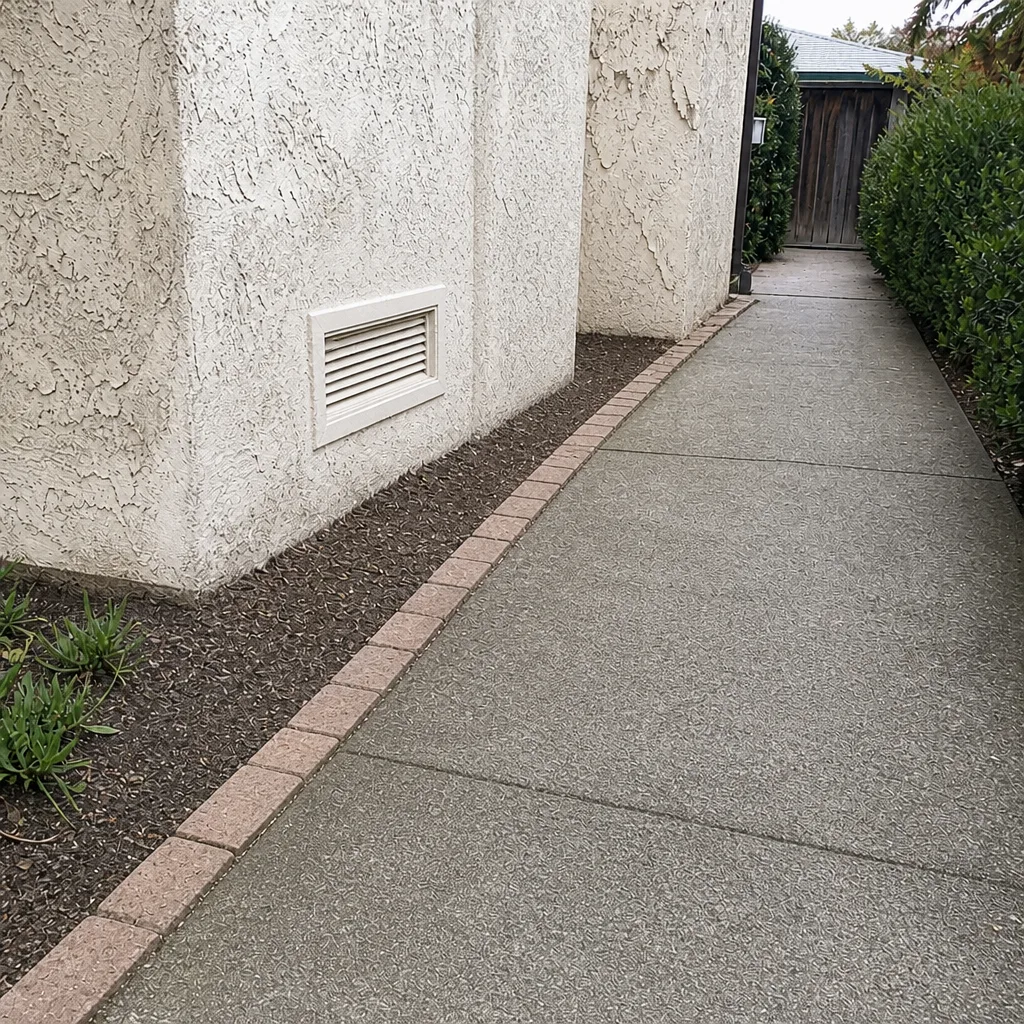 After