
Last updated November 4, 2026
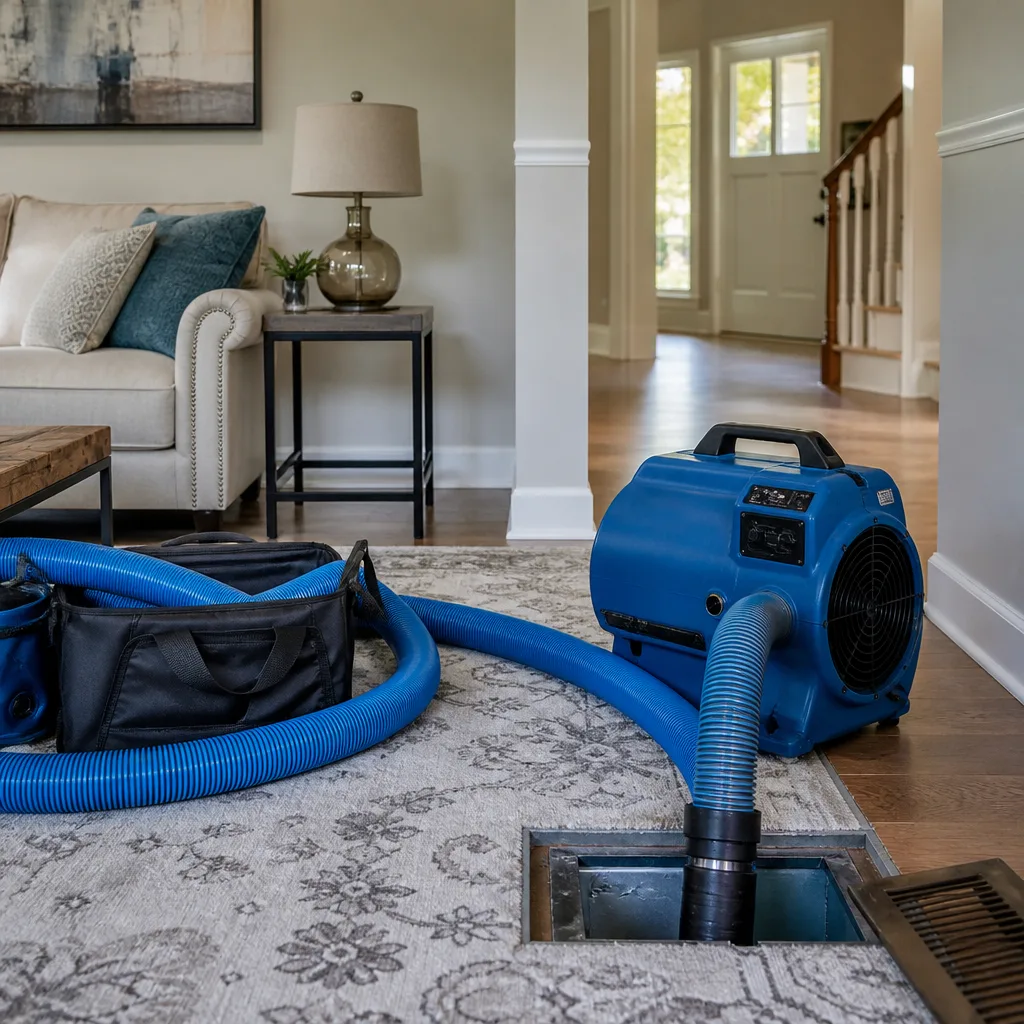 Whole-home duct cleaning
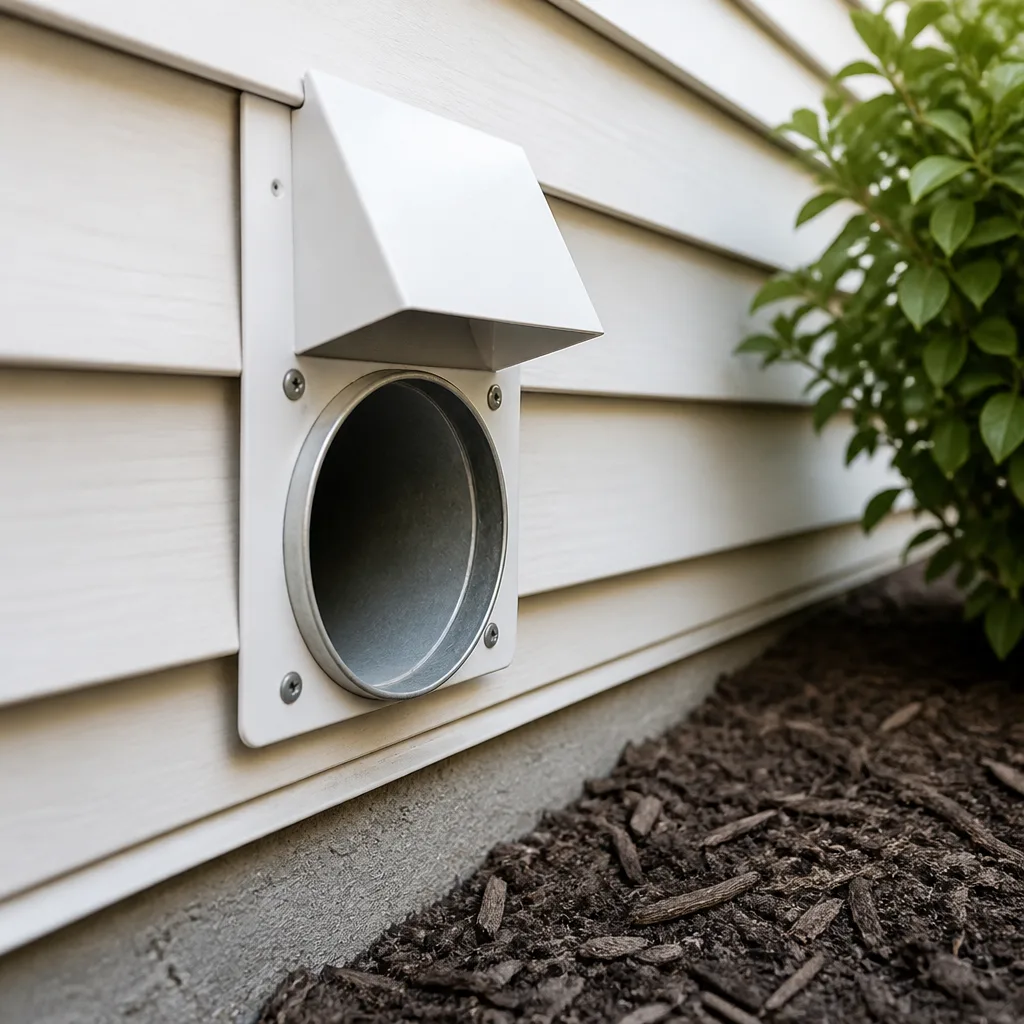 Dryer vent cleaning
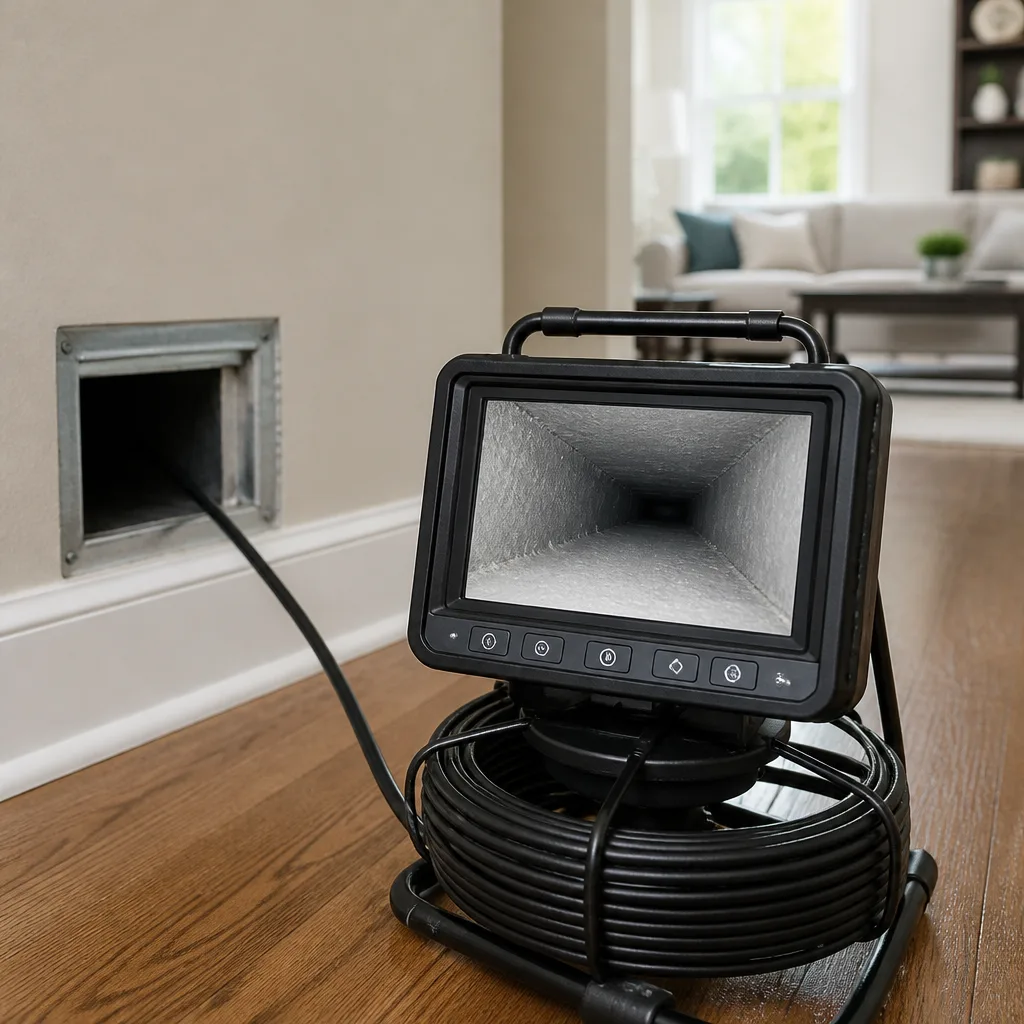 Camera inspection
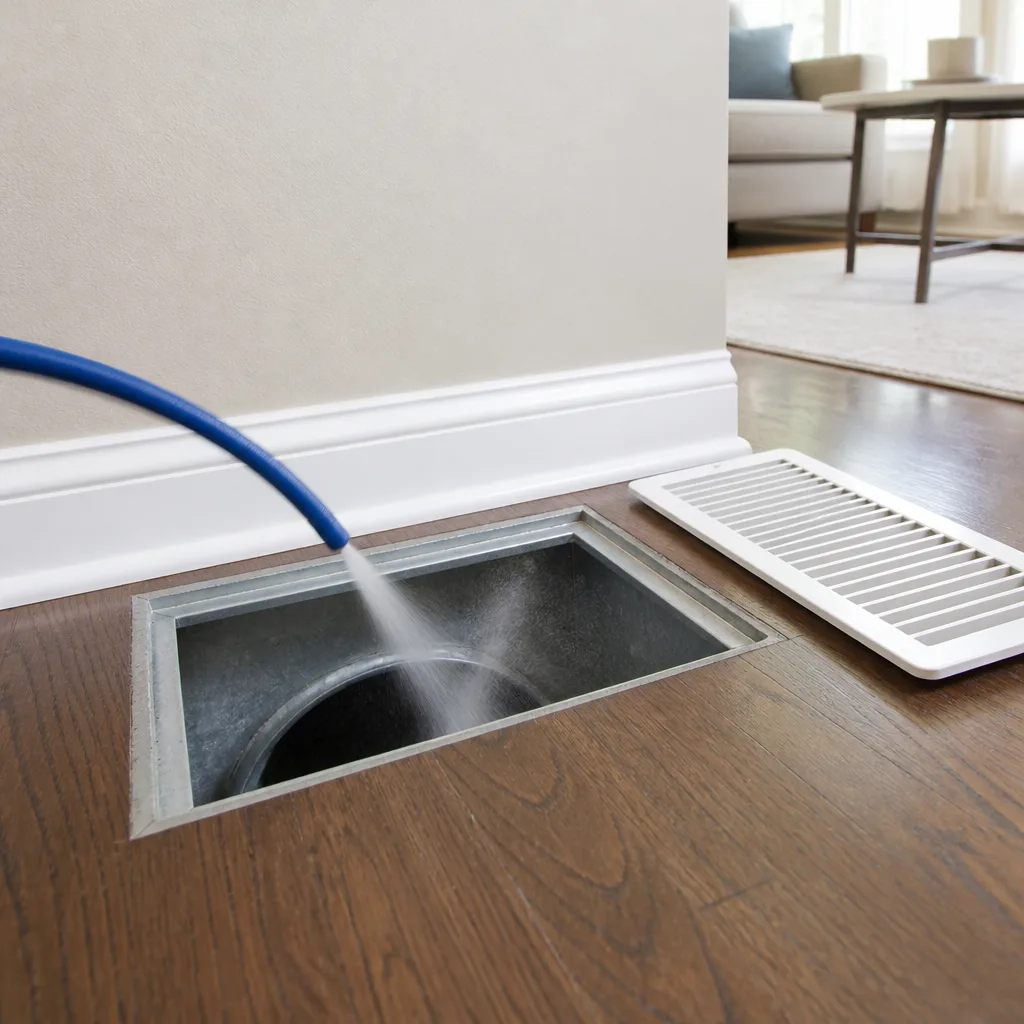 Sanitizing & deodorizing
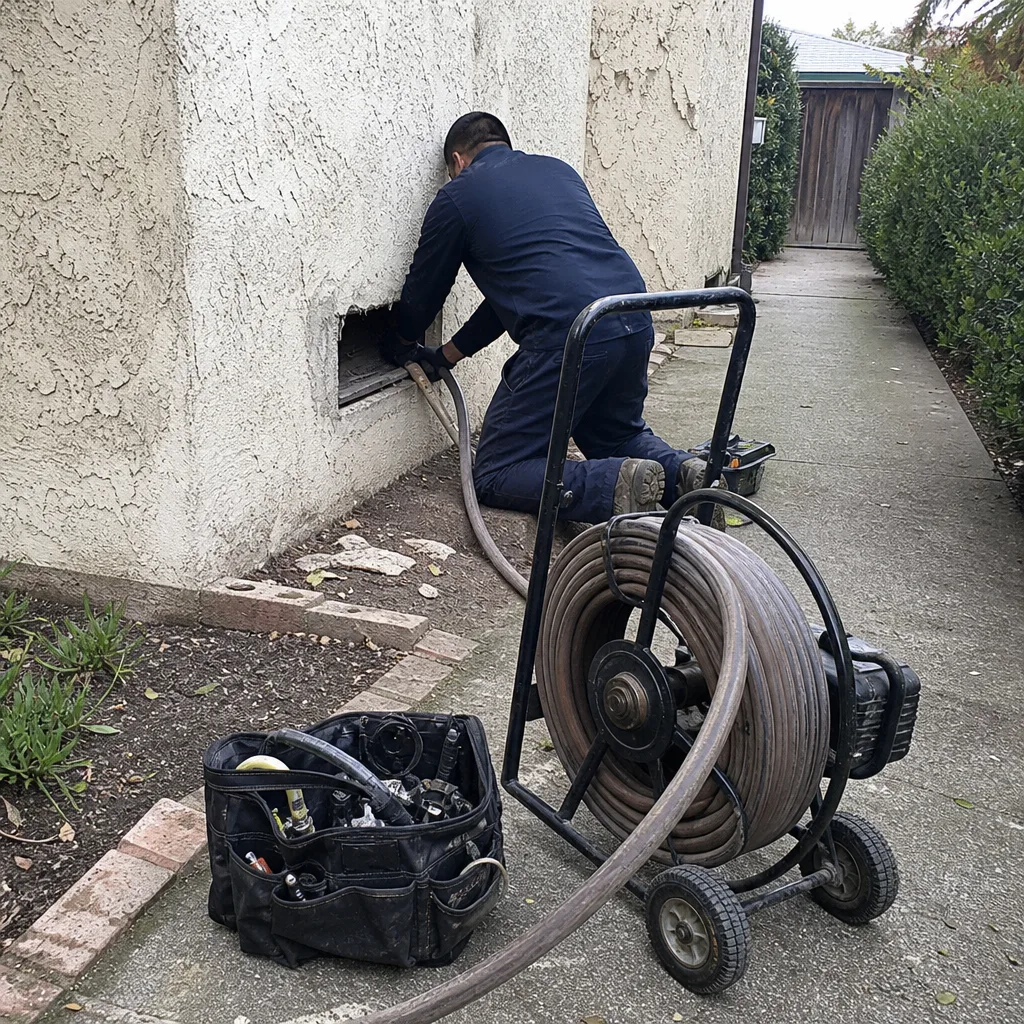
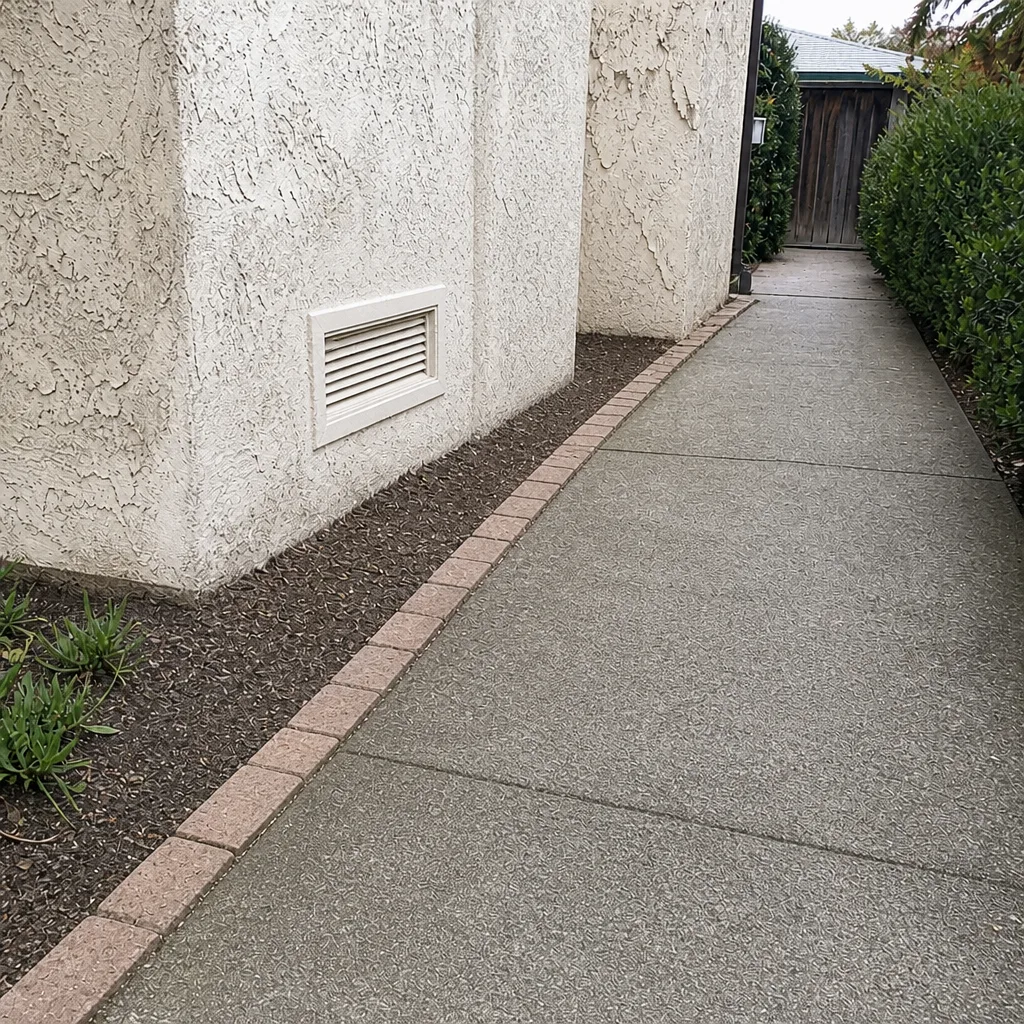
Whole-system duct and dryer vent check with before-and-after photos - you see exactly what came out of your vents
That "$99 whole-house special" is a bait ad - the real number appears once they are in your hallway, or the "clean" is a shop-vac at the register. We photograph the inside of your ducts before and after instead.
Air Duct Cleaning Emergency Preparedness Guide for North San Jose Homes
Most emergency preparedness checklists stop at bottled water, flashlights, and a go-bag. What almost never makes the list is the duct system running behind your walls. Yet during the 2020 wildfire smoke events, when the air quality index across North San Jose climbed past 200 for days, thousands of homes kept their HVAC fans running to stay cool. That system pulled smoke-laden air through return vents and pushed it across air handler coils, blower wheels, and hundreds of feet of ductwork, depositing fine particulates inside surfaces most homeowners never see. This guide explains what actually happens to ductwork during wildfire smoke, flooding, and seismic events, what to check before you turn the system back on, and how to document damage so an insurance claim holds up.
Quick Answer
During a wildfire smoke event in North San Jose, the right move depends on your HVAC setup and filter rating. If your system can run the fan with a MERV 13 filter installed, running it continuously provides the best whole-home filtration. If not, shut the system down and use portable HEPA units until outdoor air clears. After any significant smoke, flood, or earthquake event, have the duct system inspected before resuming normal operation. Smoke residue, moisture, and disconnected joints each create separate problems that routine filter changes will not address.
Styles & brands we work with
- Whole-home duct cleaning
- Dryer vent cleaning
- Camera inspection
- Sanitizing & deodorizing
Table of Contents
- What Wildfire Smoke Does to Ductwork in North San Jose
- Running Your HVAC During a Smoke Event: A Decision Framework
- Post-Smoke Assessment: What to Check Before Restarting
- Flood and Water Intrusion: The 72-Hour Duct Response Window
- Earthquake Damage and Ductwork: What Seismic Movement Breaks
- Documenting Duct Damage for Insurance Claims
- Common Mistakes to Avoid
- When to Call a Professional
What Wildfire Smoke Does to Ductwork in North San Jose
Wildfire smoke is not just an outdoor problem. The particulate matter in smoke, much of it under 2.5 microns, enters homes through every gap in the building envelope and gets drawn into return vents whenever the HVAC fan runs. In North San Jose, wildfire season now stretches from late summer through October, and smoke events regularly push AQI readings into the unhealthy-to-hazardous range. When that smoke passes through your duct system, three things happen.
First, fine particulates settle onto interior duct surfaces. Unlike household dust, which tends to be loose and light, smoke residue carries tars and resins that make it sticky. Once it lands on a duct wall, it stays. Second, that residue works its way into the blower motor housing and the air handler cabinet. Blower wheels that run during smoke conditions accumulate a coating that reduces airflow and puts extra strain on the motor. Third, the evaporator coil, the component that cools the air, becomes a collection point for smoke particles. A coated coil transfers less heat, which means your air conditioner runs longer to hit the same temperature and uses more energy doing it.
One thing we hear often at Elmwood Air Duct Cleaning is that a filter change ought to solve everything. It does not. The filter on most North San Jose homes protects the equipment, not the ducts. A standard one-inch fiberglass filter captures maybe 20 percent of the particles passing through it. The rest continue into the duct system. After a multi-day smoke event, that accumulated residue sits there, and every time the fan cycles, a portion re-enters the living space.
Running Your HVAC During a Smoke Event: A Decision Framework
The single most common question during a wildfire smoke event is whether to run the HVAC system or shut it down. The answer is not universal; it depends on two things: what kind of filter your system has, and whether you can run the blower independent of heating or cooling.
Here is the decision sequence we recommend for North San Jose homeowners:
- Check the filter type first. If your system has a MERV 13 or higher filter installed, the filter can capture a meaningful portion of smoke particulates. Running the fan continuously with that filter in place is generally the right move.
- If the filter is a MERV 8 or lower, upgrade it before running the fan. A MERV 13 filter is the minimum rating that captures fine smoke particles. If you cannot get one immediately, use the highest-MERV filter available.
- Run the fan in “On” mode, not “Auto.” The “Auto” setting cycles the fan only when heating or cooling calls for it. During a smoke event, continuous air movement through the filter is what cleans the indoor air.
- If your system cannot accept a MERV 13 filter, shut the system down. Some older or smaller systems have blowers that cannot handle the increased static pressure of a high-MERV filter. Running one anyway can damage the motor. In that case, close all windows and use standalone HEPA purifiers in occupied rooms.
- Do not run evaporative coolers or vented range hoods. Both bring unfiltered outdoor air directly inside. Avoid running bathroom exhaust fans for long periods during heavy smoke.
The duct-system implication is straightforward: every hour the fan runs during a smoke event is an hour of smoke particles moving through the ducts. That does not mean you should avoid running the system, but it does mean you should expect post-event contamination and plan for professional air duct cleaning once the outdoor air clears.
Some North San Jose homes have Aprilaire whole-home filtration cabinets installed. These systems use a thick media filter, typically MERV 11 to MERV 16, and they do a substantially better job of protecting both the living space and the ductwork during smoke events. If your home has one, confirm the filter is fresh before smoke arrives and run the fan continuously. The same logic applies to Honeywell media cabinets.
Post-Smoke Assessment: What to Check Before Restarting
Once the AQI drops back below 100 and you can open windows again, the instinct is to resume normal HVAC operation. Before you do, run through this assessment. It takes about twenty minutes and it tells you whether a professional evaluation is warranted.
Start with a visual check at the return grilles. Remove one return grille, ideally the one nearest the air handler, and look inside. If you see a gray or brown film on the interior duct surface, that is smoke residue. Compare it to a clean section of metal or drywall. The color difference tells you how much material accumulated. Next, check the supply registers. Dark streaking around the edges of supply vents means contaminated air was moving through the system and depositing particulates on the way out.
Then inspect the filter. A filter that was clean before the event and now looks brown or black after four or five days of smoke exposure shows what was passing through the system. If the filter is a standard one-inch fiberglass panel, assume that most of that material continued past it into the ductwork.
Finally, consider what you smell. A persistent campfire odor when the system runs, even after the outdoor air is clear, indicates smoke residue inside the ducts, the blower housing, or the coil. That odor will not fade on its own over a few days. It remains until the surfaces are cleaned.
If any of these checks turn up visible residue or odor, have the system evaluated before running it at full capacity. Clean ducts with contaminated blower components can still push particles into the home. In our experience with post-smoke cleanings in North San Jose, the highest concentration is almost always at the return plenum and the blower wheel, which makes sense: those are the first surfaces the smoky air contacts.
Flood and Water Intrusion: The 72-Hour Duct Response Window
Flooding in North San Jose comes from two sources: winter atmospheric river storms that overwhelm drainage in low-lying neighborhoods, and localized plumbing failures inside the home. Both scenarios can introduce water into ductwork, and both trigger the same biological timeline.
The standard for mold colonization in damp building materials is 48 to 72 hours. Ductwork is particularly vulnerable because the interior is dark, often lined with accumulated dust and organic material, and poorly ventilated. A wet duct is a mold incubation chamber. The window for intervention is short: if water has entered the duct system, the response should happen within 72 hours, and preferably sooner.
Here is the step-by-step response we recommend:
- Shut the HVAC system off immediately. Running the fan spreads moisture and any spores deeper into the system and the living space.
- Identify how far the water traveled. Water follows the lowest point. In a slab-foundation home, supply ducts laid in the concrete are the first to flood. In a raised-floor home, ducts under the house in the crawlspace may be exposed. Check both supply and return runs.
- Document everything before cleanup starts. Photographs of standing water near registers, water stains on grilles, and any visible moisture inside accessible duct sections support an insurance claim later.
- If water filled a duct run, that section likely needs replacement. Flexible duct with an internal insulation layer does not dry reliably once saturated. The insulation wicks moisture and holds it against the duct wall. Replacement is the correct fix, not drying.
- If the water was limited to a short section of accessible rigid duct, targeted cleaning and drying may work. This is a judgment call that depends on the duct material, the volume of water, and the elapsed time. A professional evaluation is worth the cost.
- Clean and disinfect the affected area before restarting the system. Once wet materials are removed or dried, the surrounding duct surfaces should be cleaned with professional-grade equipment to remove accumulated dust and any biological growth.
North San Jose neighborhoods with older homes, particularly those built before the 1980s, often have duct runs that pass through unconditioned spaces. These are more exposed to storm water intrusion during heavy rain events. Crawlspace ductwork in particular warrants a check after any significant flooding. The telltale sign is a musty odor when the system first starts up.
Earthquake Damage and Ductwork: What Seismic Movement Breaks
North San Jose sits in a seismically active region, and the most common ductwork failure after a significant earthquake is not obvious collapse, it is separation. Flexible duct, which connects rigid trunk lines to individual supply registers, is held together with zip ties and metal bands. Seismic movement shakes those connections loose. When a flex duct separates from its boot or trunk, conditioned air dumps into the wall cavity or crawlspace instead of the room it was designed for.
The second most common issue is crushed or kinked flex duct. When structural movement shifts a joist or wall, duct runs that passed through a tight clearance get pinched. Airflow to that register drops, sometimes to zero. A crushed duct is not a performance inconvenience, it is a breach in system integrity that forces the blower to work against higher static pressure.
After an earthquake strong enough to knock items off shelves or crack drywall, a duct inspection should cover these points:
- Every accessible flex duct connection. In a crawlspace, attic, or basement area, visually confirm each connection is still fitted and secured.
- Supply register airflow in every room. A room that suddenly gets weak airflow after a quake suggests a separated duct in the run feeding that room.
- The air handler platform and plenum connections. The unit itself may have shifted, pulling apart rigid duct connections at the cabinet.
- Any section of duct that passes through a foundation wall or floor penetration. These are high-stress points during lateral movement.
- Dust or debris visible inside the duct. Structural movement shakes loose accumulated dust and construction debris that had been sitting undisturbed for years.
Ductwork issues from seismic events are exactly the kind of damage that insurance adjusters overlook because they never look inside the system. A separated duct is invisible from the living space. The room just gets slightly less air, and the homeowner assumes the HVAC system was always uneven. If a post-earthquake energy bill spikes or certain rooms never seem to reach setpoint, disconnected ductwork is a leading suspect.
Documenting Duct Damage for Insurance Claims
Insurance claims for duct system damage fail more often from weak documentation than from weak coverage. The adjuster’s job is to verify that the damage exists and that it is attributable to the covered event. Ductwork is hidden behind walls and under floors, so the standard for documentation is higher than it is for visible drywall cracks or water stains on a ceiling.
Here is what a documentation package should include if you are filing a claim after smoke, flood, or earthquake damage to your duct system:
- Before-and-after photographs of accessible duct interiors. A camera with a light can capture visible interior surfaces through an open grille or access panel. The “before” photos establish the condition prior to the incident, which most homeowners do not have. Going forward, take photos of your duct system after any professional cleaning so you have a baseline.
- Photographs of the exterior context. For smoke claims, document the outdoor AQI during the event with screenshots from official sources. For flood claims, photograph the water level relative to the duct register locations. For earthquake claims, photograph structural cracks near duct runs.
- A written professional assessment from an HVAC or duct cleaning contractor. This should state what was found, where, and the likely cause. An assessment from Elmwood Air Duct Cleaning, for example, includes written findings and recommendations because we know property owners need a document that holds up in a claim file.
- Air quality or particulate readings, if taken. Instruments like thermal hygrometers and laser particle counters can establish that indoor particulate levels are elevated relative to outdoor levels, which supports a smoke-contamination claim. Our equipment set includes Abatement Technologies gear for handling elevated air-quality situations, and we document readings as part of remediation-oriented assessments.
- Itemized repair or cleaning estimates. A written estimate that separates cleaning from replacement, and identifies which duct sections require each, gives the adjuster something concrete to line-item.
The most common mistake we see in North San Jose is a homeowner who waits six months to file a claim, then has no documentation of the original event or the immediate condition of the system. Insurance companies look at elapsed time as an opportunity for intervening causes. Document early, document thoroughly, and keep a copy of everything.
Common Mistakes to Avoid
- Running the HVAC fan during a smoke event with a low-MERV filter installed. This pushes smoke particulates deeper into the duct system and accelerates contamination. Upgrade the filter first, or shut the system down and use portable HEPA units.
- Treating a post-smoke HVAC system as a filter-change problem. The filter captures only what reaches it. Everything that passed through the filter during the event is now elsewhere in the system, and a fresh filter does not remove it.
- Waiting more than 72 hours to address wet ductwork after flooding. Mold colonization begins within that window. Every day of delay increases the likelihood that duct replacement, not cleaning, becomes necessary.
- Assuming an earthquake that caused no visible damage spared the ductwork. Flex duct separation is hidden inside walls and floors. The only reliable signal is reduced airflow at individual registers, which most homeowners do not actively test.
- Filing an insurance claim with no photographs, no professional assessment, and no itemized scope of work. The adjuster cannot verify what they cannot see. Documentation is the difference between an approved claim and a denied one.
- Hiring the cheapest duct cleaning service found in a coupon mailer. Post-event duct contamination requires professional-grade equipment, specifically rotary-brush systems like Rotobrush and HEPA-rated vacuum systems like those from Nikro, not a portable shop vac. A low-bid cleaning often leaves the contamination in place and simply disturbs it.
- Running the system normally after a flood without inspecting ductwork under the house. Crawlspace ducts in older North San Jose homes are out of sight and out of mind until musty air starts coming through the registers months later.
When to Call a Professional
Some situations are clear calls for professional involvement. If you see visible mold growth inside any accessible duct section, do not attempt to clean it yourself and do not run the system. If smoke odor persists more than a week after outdoor air clears, the residue is inside the system and requires professional removal. If an earthquake left several rooms with weak airflow, the duct connections need an inspection and likely repair. If flood water rose above your floor registers, assume the duct system is part of the damage scope.
Dryer vent cleaning is another post-event item worth addressing, particularly after smoke events. Lint accumulation combined with smoke residue creates a more combustible mixture in the vent line. If the dryer has been running normally for years without a vent cleaning, schedule one as part of your post-event response. North San Jose homeowners can reach Elmwood Air Duct Cleaning at (855) 506-8636 for a free estimate. We answer 24/7. Fast dispatch from 7am to 7pm, Sunday through Friday.
See the difference
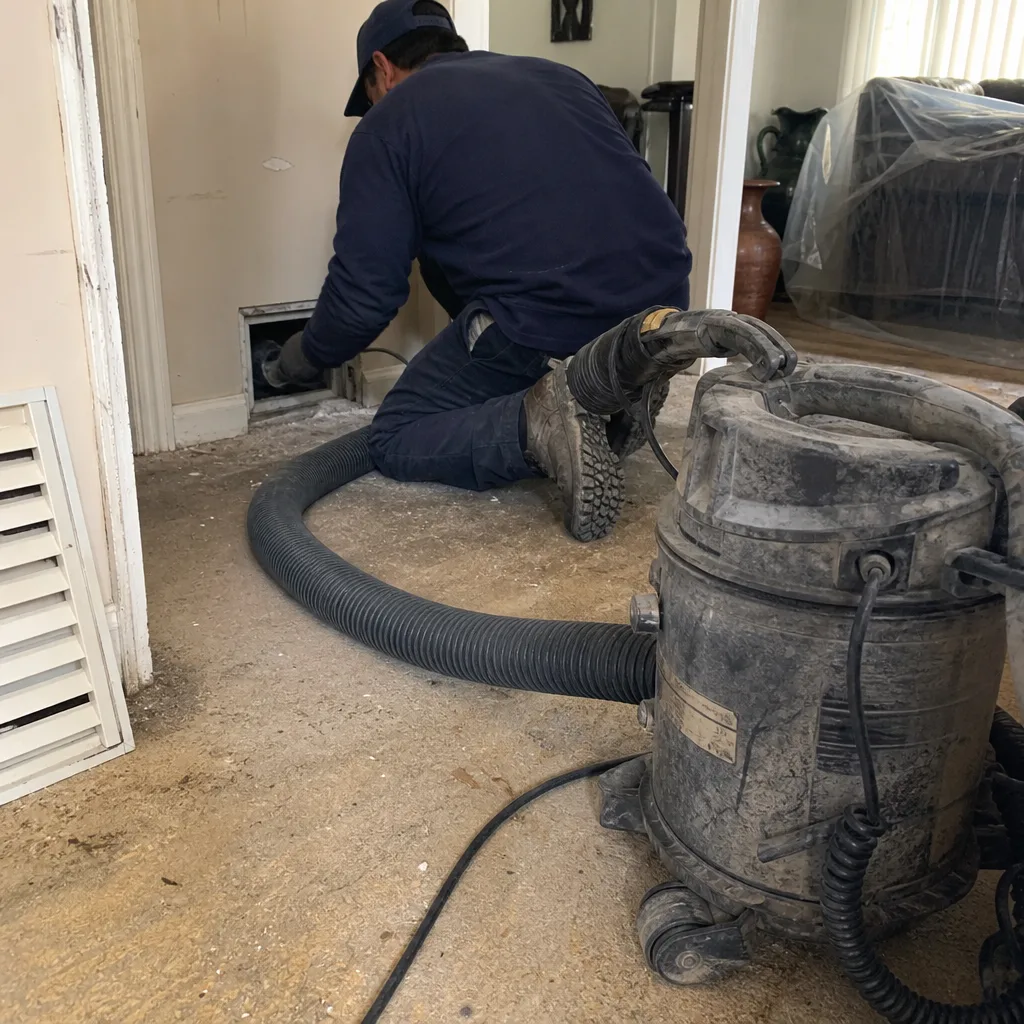 Before
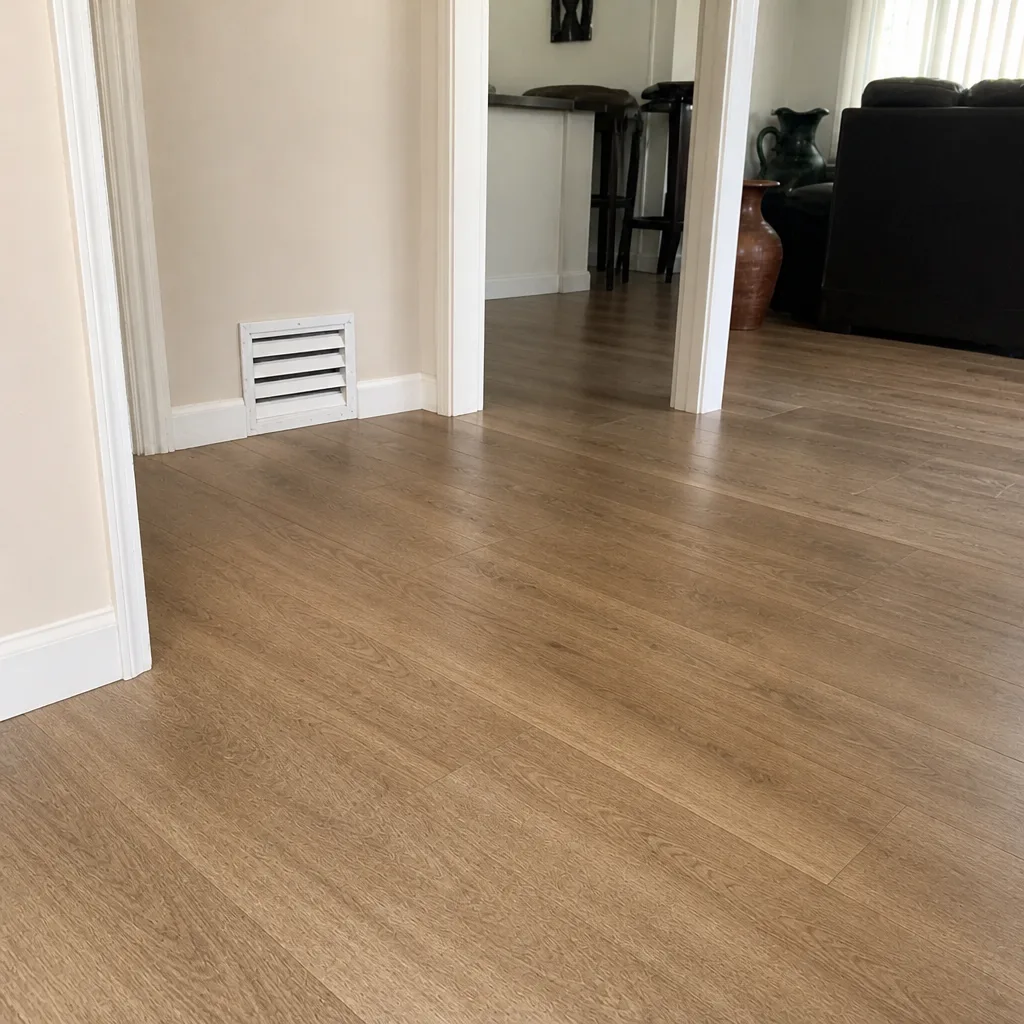 After
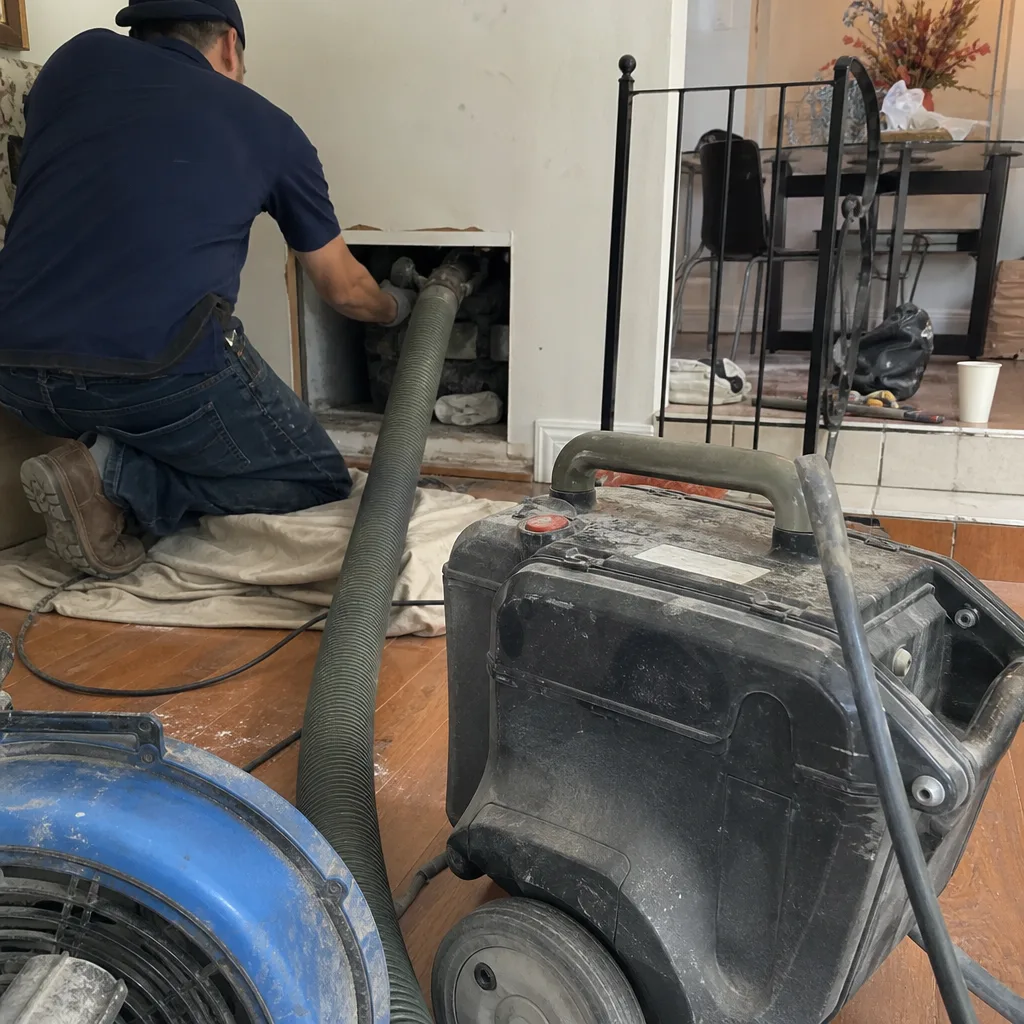 Before
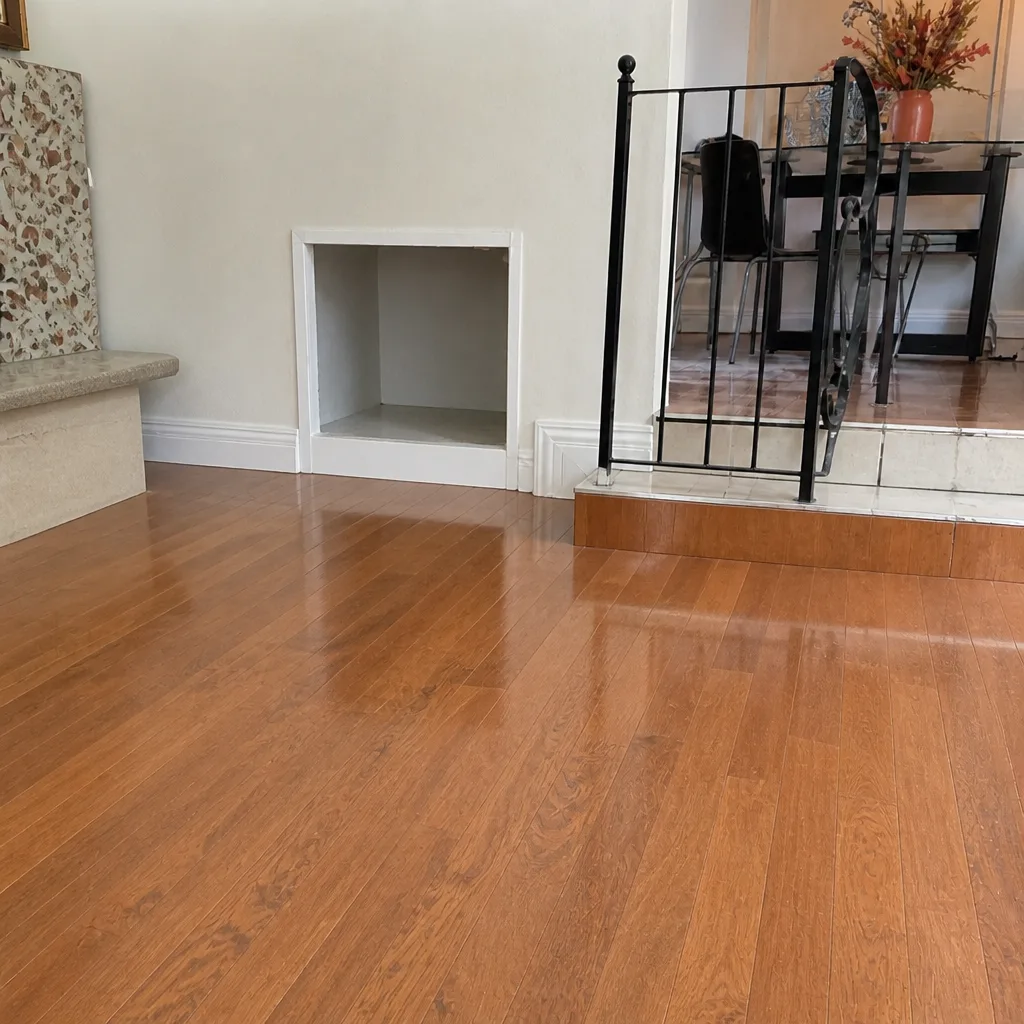 After
 Before
 After
Frequently Asked Questions
If your HVAC fan ran during a wildfire smoke event in North San Jose, smoke particulates entered the system. The question is how much residue remains. Check return grilles and supply registers for gray or brown film, look at the filter condition, and pay attention to persistent smoke odor when the system runs. Any of these signs warrants a professional duct inspection.
You can replace filters and clean visible register surfaces, but that does not address the interior duct walls, blower housing, or coil where smoke residue accumulates. Professional air duct cleaning uses rotary-brush and HEPA-vacuum equipment built for this purpose. Consumer shop vacs lack the reach and filtration capability, and using one can make things worse by dislodging particulates without capturing them.
A full system cleaning in a typical North San Jose home takes three to five hours with professional equipment. Larger homes with multiple zones take longer. The process covers supply and return ducts, the blower housing, the evaporator coil, and all register grilles. After the cleaning, the system should run without residual smoke odor.
Coverage depends on your policy and the cause of the damage. Smoke damage from a wildfire is generally a covered peril, as is flood damage under a separate flood policy and earthquake damage under a separate earthquake policy. Many policies will cover duct cleaning or replacement when a covered event caused the contamination or damage. Proper documentation, including photos and a professional assessment, substantially improves the likelihood of claim approval.
Look for rotary-brush cleaning systems like Rotobrush and HEPA-rated negative-air vacuum systems like those from Nikro. Rotobrush equipment mechanically agitates the interior duct walls to dislodge compacted debris, while Nikro systems capture particulates rather than recirculating them into the home. Equipment made by Guardsman and Abatement Technologies is also common in professional remediation work. If a company shows up with a portable shop vac and no HEPA filtration, cancel the appointment.
Under normal conditions, every two to three years is reasonable for a visual inspection, with cleaning as indicated by the findings. After a wildfire smoke event, a flood, or a significant earthquake, an inspection within days or weeks is the right move. Homes with pets, smokers, recent remodeling, or family members with respiratory conditions may warrant annual attention. The Elmwood Air Duct Cleaning team provides honest assessments because we believe you should see what’s inside your ducts before and after, not take anyone’s word for it.
The Bottom Line
Ductwork is the respiratory system of your home, and in North San Jose, that system faces three distinct threats: wildfire smoke from late-summer through fall, winter storm flooding, and seismic activity year-round. Each event leaves a different kind of damage, and each requires a different response. The common thread is that waiting makes every problem worse. Smoke residue bonds to duct surfaces over time. Wet ducts develop mold within 72 hours. Separated flex duct wastes conditioned air silently. The homeowners who fare best after an event are the ones who assess early, document thoroughly, and call a professional when the scope exceeds a filter change and a visual check. Call (855) 506-8636 for a free estimate in North San Jose. We answer 24/7. Fast dispatch from 7am to 7pm, Sunday through Friday.
Written by the team at Elmwood Air Duct Cleaning, serving North San Jose since 2018.