
Last updated November 4, 2026
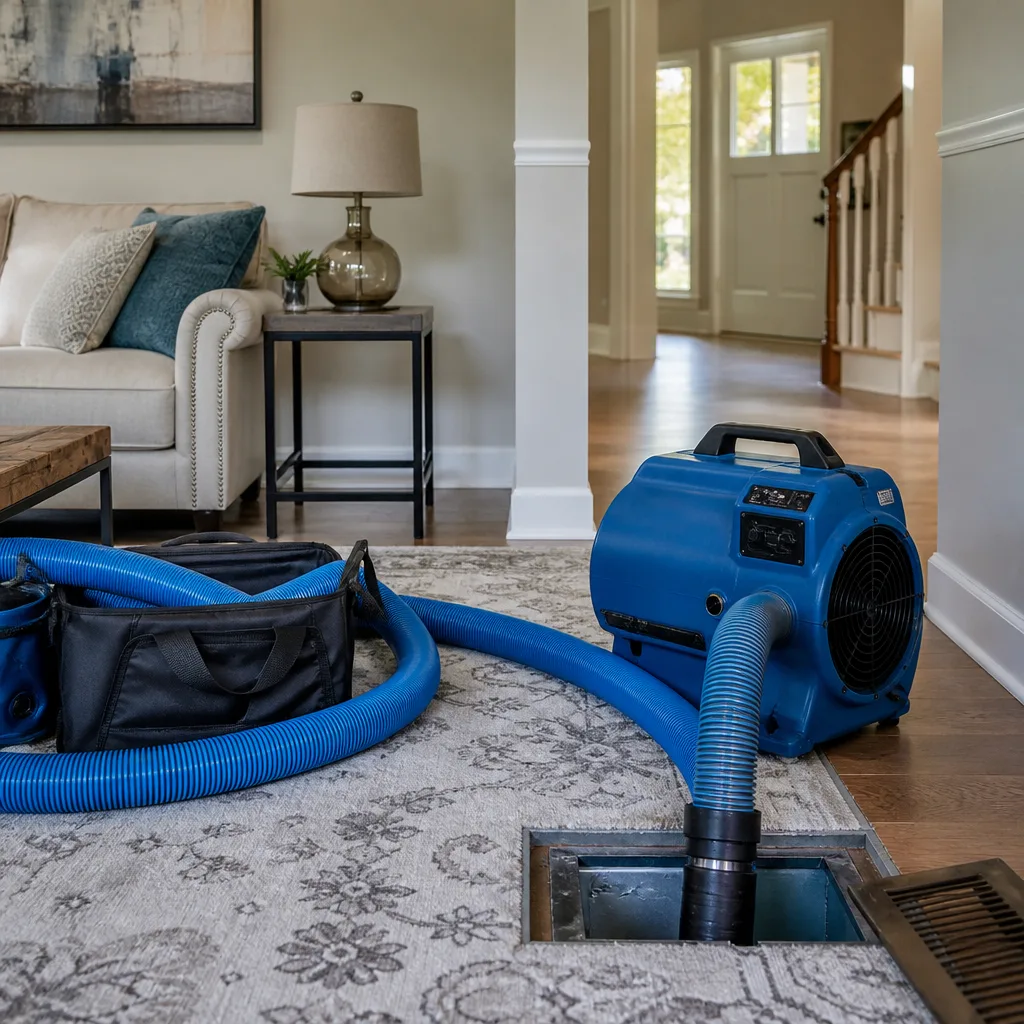 Whole-home duct cleaning
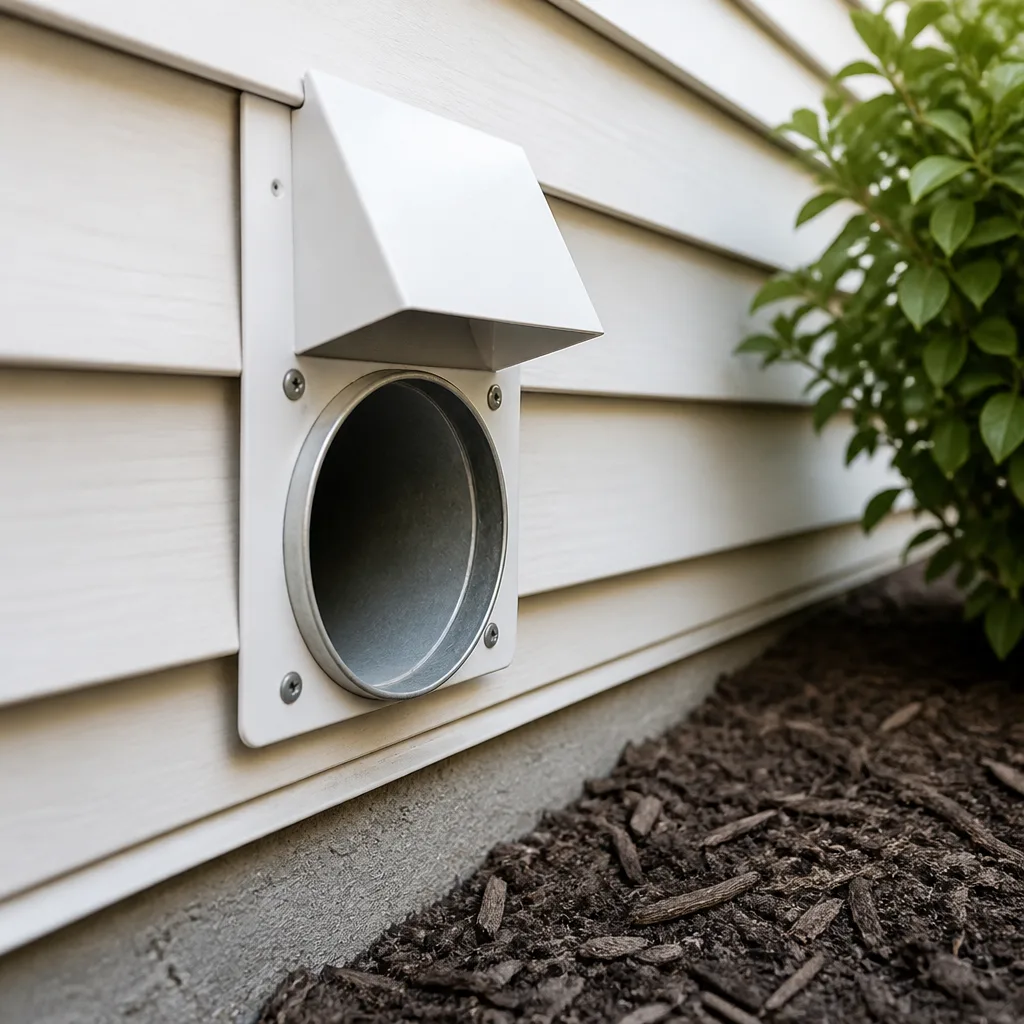 Dryer vent cleaning
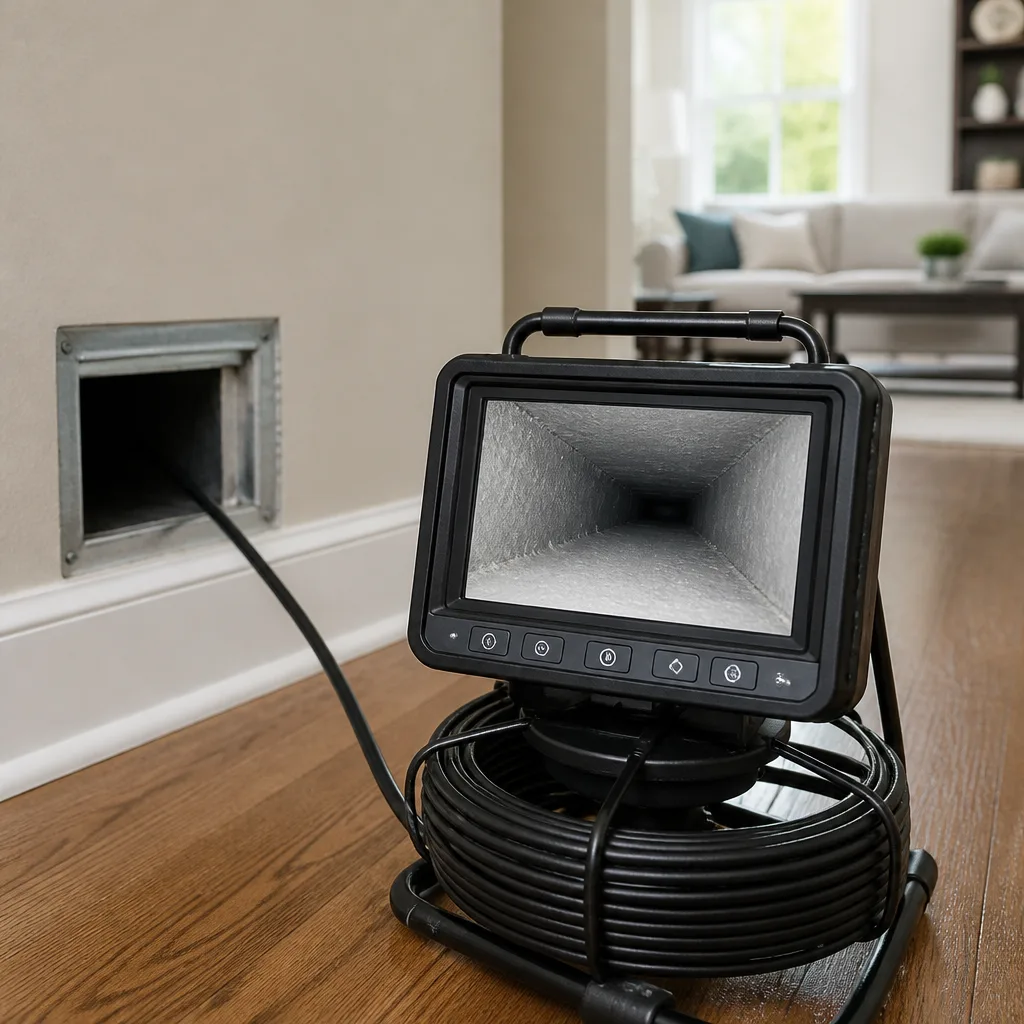 Camera inspection
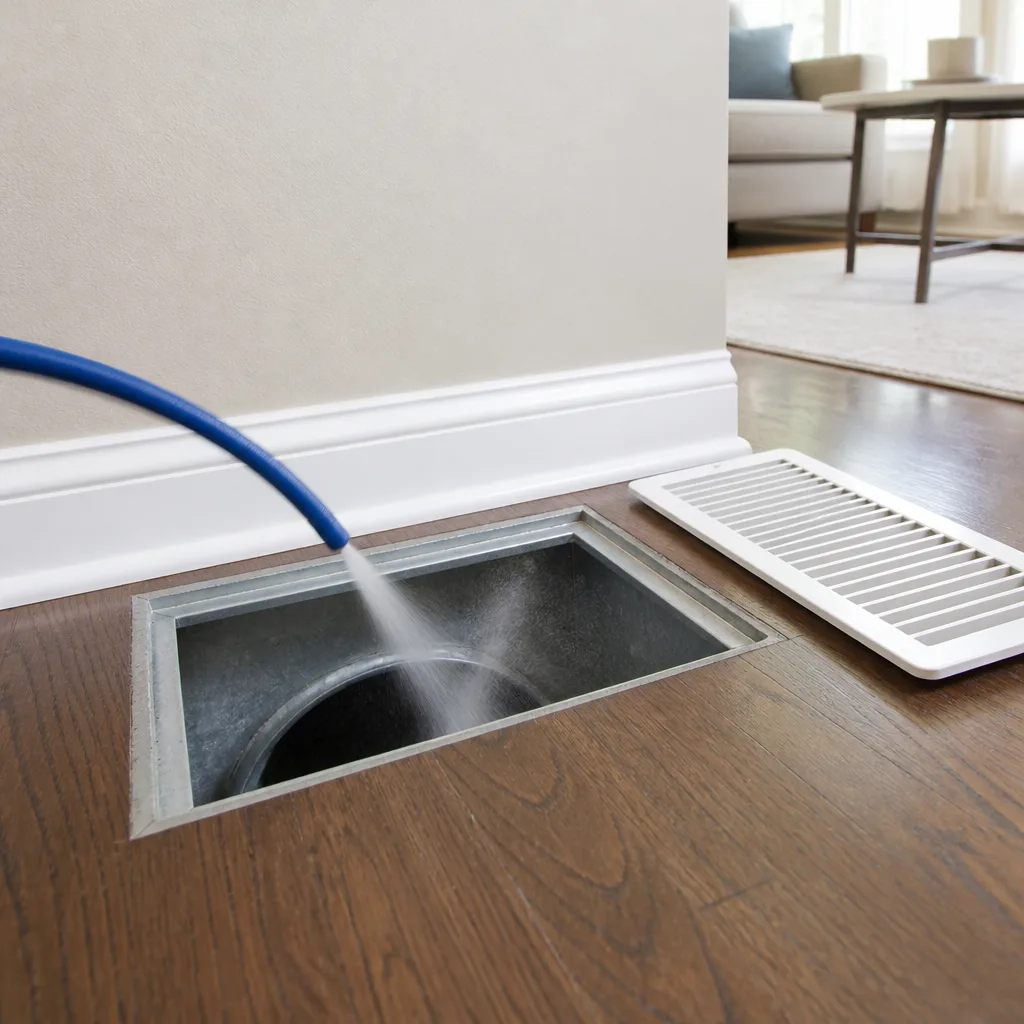 Sanitizing & deodorizing
Whole-system duct and dryer vent check with before-and-after photos - you see exactly what came out of your vents
That "$99 whole-house special" is a bait ad - the real number appears once they are in your hallway, or the "clean" is a shop-vac at the register. We photograph the inside of your ducts before and after instead.
Air Duct Cleaning Troubleshooting in North San Jose: Common Problems and How to Fix Them
If one room in your North San Jose house is always 5 to 8 degrees hotter than the rest, your HVAC system probably isn’t undersized. Your duct system is telling you something specific, and it’s usually fixable without replacing any equipment. Most homeowners jump straight to the thermostat or the air handler when airflow goes weak or a smell won’t quit. In our experience, the ducts themselves are the source more often than people realize. This guide walks you through reading those symptoms the way a specialist would, so you can decide whether you’re looking at a cleaning issue, a repair issue, or something else entirely.
Styles & brands we work with
- Whole-home duct cleaning
- Dryer vent cleaning
- Camera inspection
- Sanitizing & deodorizing
Quick Answer
Duct problems in North San Jose typically fall into three categories: accumulated debris that needs professional cleaning, physical duct damage that needs repair, or equipment issues unrelated to the ducts. You can often narrow it down by checking airflow at individual registers, comparing temperatures room to room, and identifying the specific odor type. Most debris and odor problems resolve with professional-grade rotary-brush cleaning and HEPA vacuum collection. Collapsed or kinked flex duct, disconnected joints, and actual holes require repair before cleaning will do any lasting good.
Table of Contents
- Dirty Ducts vs. Damaged Ducts: How to Tell the Difference
- Reading Airflow and Temperature at the Register
- What Different Odor Types Actually Indicate
- The North San Jose Flex Duct Problem: Collapse and Kinks
- Why Dust and Odors Return After a Cleaning
- Symptom-to-Action Decision Tree
- Common Mistakes to Avoid
- When to Call a Professional
- Frequently Asked Questions
- The Bottom Line
Dirty Ducts vs. Damaged Ducts: How to Tell the Difference
This is the fork in the road that determines everything else. A dirty duct has accumulated dust, pet dander, and debris on its interior surfaces. A damaged duct has a physical problem: a separated joint, a hole, a crushed section, or a kinked flex run. The symptoms overlap, which is why so many people misdiagnose the problem and spend money on the wrong fix.
Here’s the diagnostic that works in most North San Jose homes. Close every register in the house except the one you’re testing. Walk through and feel the airflow at each open register, one at a time. A dirty duct typically delivers reduced but consistent airflow across most rooms. The dust is coating the walls of the duct, but air is still moving through the channel. A damaged duct delivers uneven or sharply reduced airflow in specific rooms, often just one or two. That’s because the air is escaping through a hole or being pinched off by a collapsed section before it reaches the register.
Temperature differentials point the same direction. Dirty ducts make every room a little stuffy and slow to reach temperature. Damaged ducts make specific rooms dramatically different from the rest of the house. We’ve seen a single disconnected branch line in a crawlspace make one upstairs bedroom in North San Jose run 10 degrees warmer than the hallway outside it, while every other room was fine.
Quick Diagnostic Checklist
- All rooms weakly but evenly conditioned: suspect dirty ducts or a clogged filter
- One or two rooms badly off temperature while others are fine: suspect damaged or disconnected ductwork
- Visible dust puffing from a register when the system kicks on: suspect debris accumulation
- Whistling or rushing noise from a specific wall or ceiling area: suspect a leak or separation
The good news is that both problems are fixable. Air duct cleaning handles the first. Air duct repair handles the second. Elmwood offers both under one roof, which means we can diagnose what’s actually happening and fix it, rather than cleaning around a hole and charging you for work that won’t hold.
Reading Airflow and Temperature at the Register
There’s a straightforward sequence we use when we get a call about weak airflow in North San Jose. You can do a simplified version of it yourself in about twenty minutes.
Step 1: Check the filter first. A clogged filter restricts airflow at the air handler, before the ducts even enter the picture. If you haven’t changed yours in three months, do that before anything else. If the airflow problem persists with a fresh filter, move to the ducts.
Step 2: Feel the air at each register. Walk room to room with the system running. Hold your hand about six inches from each register. You’re looking for consistency. Rooms on the same floor should feel similar. A room that’s dramatically weaker than its neighbor has a duct problem, not an equipment problem.
Step 3: Listen. A properly sealed duct system is quiet. If you hear air moving inside a wall cavity or ceiling where no register exists, air is escaping from a joint or hole. That air is conditioning your framing, not your living space.
Step 4: Look at the register itself. Dust streaks or gray smudges on the wall around a register indicate air leaking around the boot, where the duct meets the drywall. This isn’t just cosmetic. It means conditioned air is short-circuiting into the wall void instead of entering the room.
One more point worth making. Older North San Jose tract homes, particularly those built in the 1970s and 1980s, often had their duct systems sized for original equipment. If a previous owner replaced the HVAC unit with a higher-efficiency model, the blower may push more air than the original ducts were designed to carry. That can cause whistling, register noise, and higher static pressure that stresses joints over time. It’s not a defect in the new equipment. It’s a duct system that needs attention.
What Different Odor Types Actually Indicate
Odors are one of the most common reasons people call about their ducts, and the smell itself usually tells you what you’re dealing with. Here’s how we break it down.
Musty or Damp Odor
A musty smell that comes from the vents when the system runs usually means organic material is sitting somewhere in the duct system. In North San Jose’s climate, this often traces to condensation. When warm, humid air meets the cool metal of a duct, moisture forms. Dust and debris absorb that moisture, and microbial growth follows. If the smell is stronger when the system first starts up, it’s likely growing in the ducts or the coil area. Cleaning removes the organic material that’s feeding the problem. If the source is a persistent moisture issue, repair may be needed to stop the condensation at its source.
Burning or Electrical Odor
A burning smell that appears when the heat runs for the first time in fall is often just accumulated dust burning off the heat exchanger. That’s normal and fades after a few minutes. A burning smell that persists or smells acrid and electrical is not a duct issue. Turn the system off and call an HVAC technician. Duct cleaning will not resolve an electrical problem.
Chemical or Solvent Odor
A chemical smell coming through the vents typically means something was introduced into the duct system or is off-gassing nearby. New carpet, paint, or furniture can pull fumes into the return air. If the smell appeared after a renovation, ventilate the space and give it time. If it persists, cleaning can remove particulates but won’t address an ongoing volatile source. You need to find what’s off-gassing.
Biological or Decomposition Odor
A smell that’s distinctly organic, like something died, usually means exactly that. Rodents and birds occasionally find their way into duct systems, particularly in older North San Jose neighborhoods with mature landscaping and open crawlspaces. Cleaning addresses the contamination, but we also identify how the animal got in and recommend sealing the entry point so it doesn’t happen again.
The key distinction is whether the odor is coming from something inside the ducts that cleaning can remove, or something outside the ducts that cleaning can’t touch. A specialist starts by identifying which category the smell falls into before recommending any work.
The North San Jose Flex Duct Problem: Collapse and Kinks
North San Jose has a significant stock of homes built between the 1960s and the 1980s, and a lot of them used flexible duct for branch runs. Flex duct is the silver, insulated tubing you see in attics and crawlspaces. It was popular because it’s fast to install and easy to route around framing. It also has a known failure mode that shows up decades later.
Flex duct relies on an internal wire coil to maintain its round shape. Over time, the plastic outer jacket degrades, the insulation compresses, and the wire coil can kink or flatten. When a section of flex duct kinks, the interior cross-section shrinks dramatically. A six-inch duct can effectively become a two-inch duct at the pinch point. Airflow to that room drops sharply, and the room becomes persistently uncomfortable.
You can spot a kinked or collapsed flex run from the register. If a specific room has been getting progressively weaker over months or years, not suddenly but gradually, a collapsing flex duct is a likely culprit. The degradation happens slowly, so the symptom creeps up on you.
Here’s a simple test. Remove the register grille and look inside the boot with a flashlight. If you can see the flex duct attached to the boot, check whether it’s round or flattened where it connects. If the duct is sagging sharply or the inner liner looks pinched, that section needs replacement. This is a repair issue, not a cleaning issue. Cleaning a collapsed duct does nothing because the air channel itself is compromised. We repair what we find, not just clean around it. That’s the difference between a service that fixes the problem and one that charges you for a temporary improvement.
Why Dust and Odors Return After a Cleaning
This is one of the most frustrating things a homeowner experiences. You pay for a cleaning, everything seems better for a few weeks, and then the dust comes back. The problem usually isn’t that cleaning doesn’t work. It’s that the cleaning method used wasn’t sufficient for what was actually in the ducts.
Here’s what happens. A consumer-grade duct cleaning, the kind done with a portable shop vac and a small brush, knocks loose the surface dust but doesn’t remove the compacted debris bonded to the duct walls. That debris breaks down over time and re-enters the airstream. The result is dust reappearing within weeks or months. The cleaning wasn’t a hoax. It just wasn’t thorough enough to last.
Professional-grade equipment makes the difference. Our Rotobrush rotary-brush systems use powered agitation that physically scrapes the duct walls, dislodging the compacted layer that a passive vacuum can’t touch. The Nikro HEPA-rated vacuum system then captures those particulates at the point of collection, so they don’t recirculate into your living space. That’s what makes the difference between a cleaning that holds and one that doesn’t.
Odors returning after a cleaning point to a different failure. If the cleaning removed surface debris but left the underlying moisture source or microbial colony intact, the odor returns once the colony regrows. That’s why we look for the cause of the moisture, not just the smell. A duct that stays wet will always smell again. Fixing the condensation or the leak is the only way to make the odor stop for good.
If your last cleaning didn’t last, the equipment and method used probably weren’t up to the job. Professional-grade machinery, not portable shop vacs. That’s the difference in one sentence.
Symptom-to-Action Decision Tree
Here’s a practical sequence for North San Jose homeowners trying to figure out what to do next. Work through it in order.
- Check the filter. If it’s loaded, replace it and reassess in 24 hours. If airflow returns to normal, that was the problem.
- Check airflow consistency room to room. If all rooms are weak, suspect a dirty system or an undersized return. If specific rooms are weak, suspect damaged or disconnected branch ducts.
- Check temperatures. If specific rooms are more than a few degrees off from the rest of the house, the duct system is not delivering properly. This is a duct issue regardless of the thermostat setting.
- Identify any odor. Musty smells suggest organic debris and moisture. Burning smells are either seasonal dust burn-off or an equipment problem. Chemical smells usually come from outside the ducts. Biological smells mean animal intrusion.
- Look at the registers. Dust streaks around boots, visible debris inside, or flattened flex visible behind the grille all tell you the system needs professional attention.
- Decide: inspect, clean, or repair. If symptoms are mild and you’re not sure, schedule a professional inspection. If airflow is weak but consistent and dust is visible, cleaning is the likely fix. If specific rooms are badly off or you can see physical damage, you need repair.
The important thing is not to guess wrong and spend money on a cleaning when the duct is physically damaged, or on a repair when the system just needs a thorough cleaning. An honest assessment starts with looking at the evidence.
Common Mistakes to Avoid
- Assuming the HVAC equipment is the problem before checking the ducts. Weak airflow in one room is almost never a furnace or AC problem. The equipment serves the whole house. Ducts serve individual rooms. If one room is bad, it’s the duct.
- Cleaning a damaged duct instead of repairing it. A hole or collapsed section doesn’t care how clean the rest of the duct is. You’ll pay for a cleaning and get no improvement because the air is still escaping before it reaches the room.
- Using duct tape to patch a duct leak. Despite the name, duct tape is not a duct-sealing material. It dries out, loses adhesion, and fails within a year. Proper sealing uses mastic or foil-backed tape designed for HVAC systems.
- Treating the smell instead of the source. Air fresheners and scented filters mask odors but don’t remove the debris or moisture causing them. The smell always returns.
- Expecting a filter change to fix a duct problem. A fresh filter helps airflow at the equipment, but it can’t pull dust out of the ducts or repair a kinked flex run.
- Ignoring persistent symptoms because the system still runs. Your HVAC will keep running even with significant duct leakage or blockage. It’s just working harder and costing you more while delivering less comfort.
When to Call a Professional
Some things you can check yourself. The filter, the register airflow, the visible dust around the boot. But there’s a point where home diagnosis hits its limit. If you have specific rooms that won’t reach temperature no matter what the thermostat says, if you can hear air moving inside walls or ceilings, if a musty smell persists after cleaning the registers, or if you see flattened flex duct behind a grille, you need someone who can get eyes on the actual duct runs. That means attics, crawlspaces, and inside wall cavities. It also means repair capability, not just cleaning. Elmwood Air Duct Cleaning offers free estimates in North San Jose. Call (855) 506-8636. We answer 24/7. Fast dispatch from 7am to 7pm, Sunday through Friday.
We work with Aprilaire and Honeywell air-quality systems, so if your home has integrated filtration or humidity control, we understand how the ducts interact with that equipment rather than treating them as a standalone system. And we run Rotobrush and Nikro equipment on every job, which means we can show you what’s actually inside your ducts before and after. See what’s inside your ducts before and after. That’s the standard we hold ourselves to.
Frequently Asked Questions
If airflow is weak but relatively even across all rooms, cleaning is usually the answer. If one or two specific rooms are dramatically worse than the rest, or you can hear air escaping inside walls, you likely have a physical duct problem that needs repair before cleaning will help. A professional inspection can tell you which situation you’re in. Call (855) 506-8636 for a free estimate in North San Jose.
In older North San Jose tract homes, the most common cause is a collapsed or kinked flex duct branch running to that room. Over decades, flex duct degrades and the internal coil can flatten, sharply reducing airflow to a single room. Other causes include disconnected joints and leaks in the branch line. These are repair issues, not cleaning issues. Call us and we can diagnose it properly.
Duct cleaning is priced per job based on the size of the home, the number of systems, and the condition of the ductwork. Every estimate is free, and the price is set per job by the written estimate before any work begins. There’s no per-vent pricing and no bait-and-switch. Call (855) 506-8636 for an exact quote for your home.
If the cleaning method used was a portable vacuum with light brushing, it likely removed only surface dust and left the compacted debris bonded to the duct walls. That debris re-enters the airstream over the following weeks. Professional rotary-brush cleaning with HEPA collection removes the bonded layer, which is why results last. The equipment matters.
A musty smell indicates organic material and moisture in the system, which can support microbial growth. It’s not something to ignore, and it won’t go away with air fresheners. The debris feeding the growth needs to be removed, and the moisture source needs to be identified and addressed. Cleaning handles the first part. Repair handles the second.
There’s no universal schedule. It depends on the home’s age, the presence of pets, the landscaping around the property, and whether the system has been cleaned before. Many North San Jose homes benefit from a professional assessment every few years, with cleaning done when visible debris, airflow loss, or odors indicate it’s needed. If you’re unsure, an inspection is a cheaper first step than a full cleaning.
The Bottom Line
Your ducts are the delivery system for every conditioned breath of air in your home. When they’re dirty, you breathe what’s accumulated in them. When they’re damaged, you pay to condition air that never reaches you. Reading the symptoms correctly is the difference between fixing the problem and paying for work that won’t hold. If airflow is weak everywhere, clean the system. If it’s bad in specific rooms, repair the ducts. If there’s an odor, identify the source before treating the symptom. And if you’re in North San Jose, call someone who does both cleaning and repair with professional-grade equipment, not a portable shop vac. Better air starts at the source.
Written by the team at Elmwood Air Duct Cleaning, serving North San Jose since 2018.
See the difference
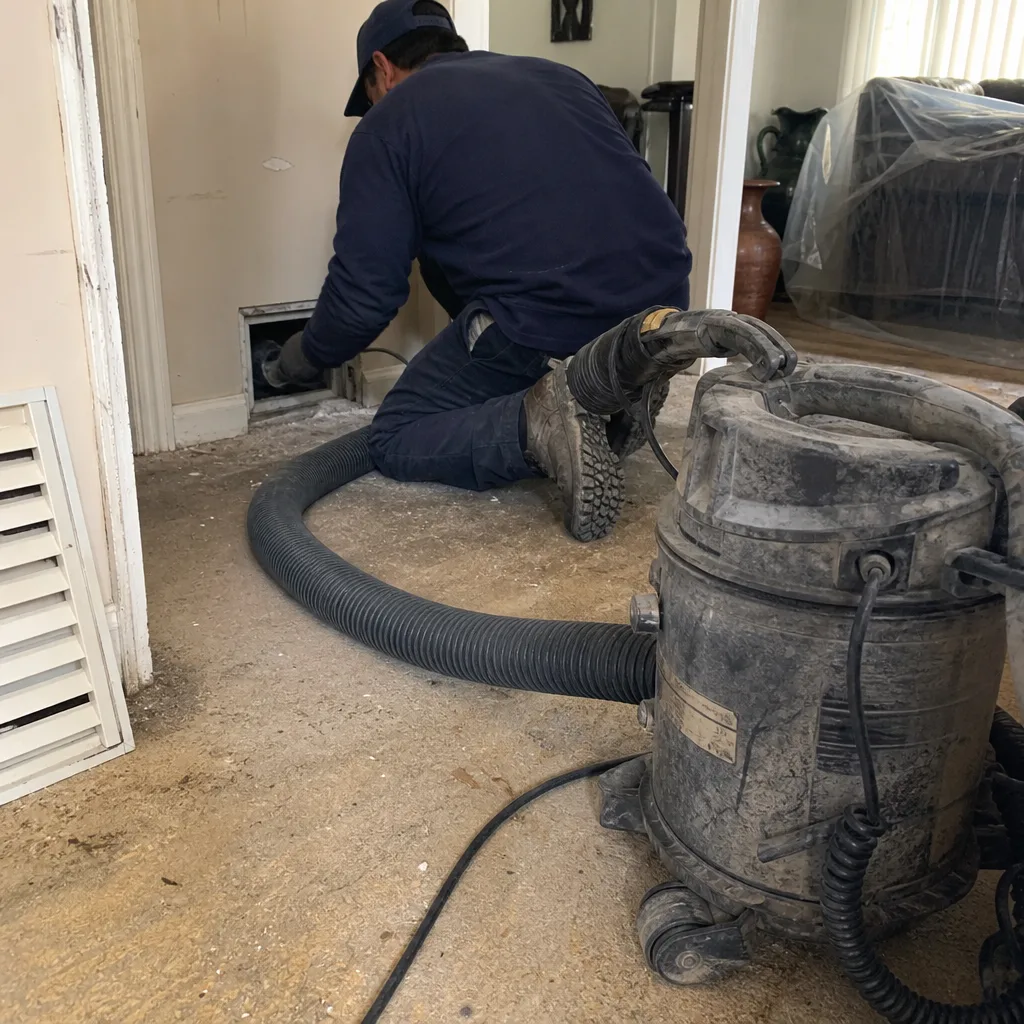 Before
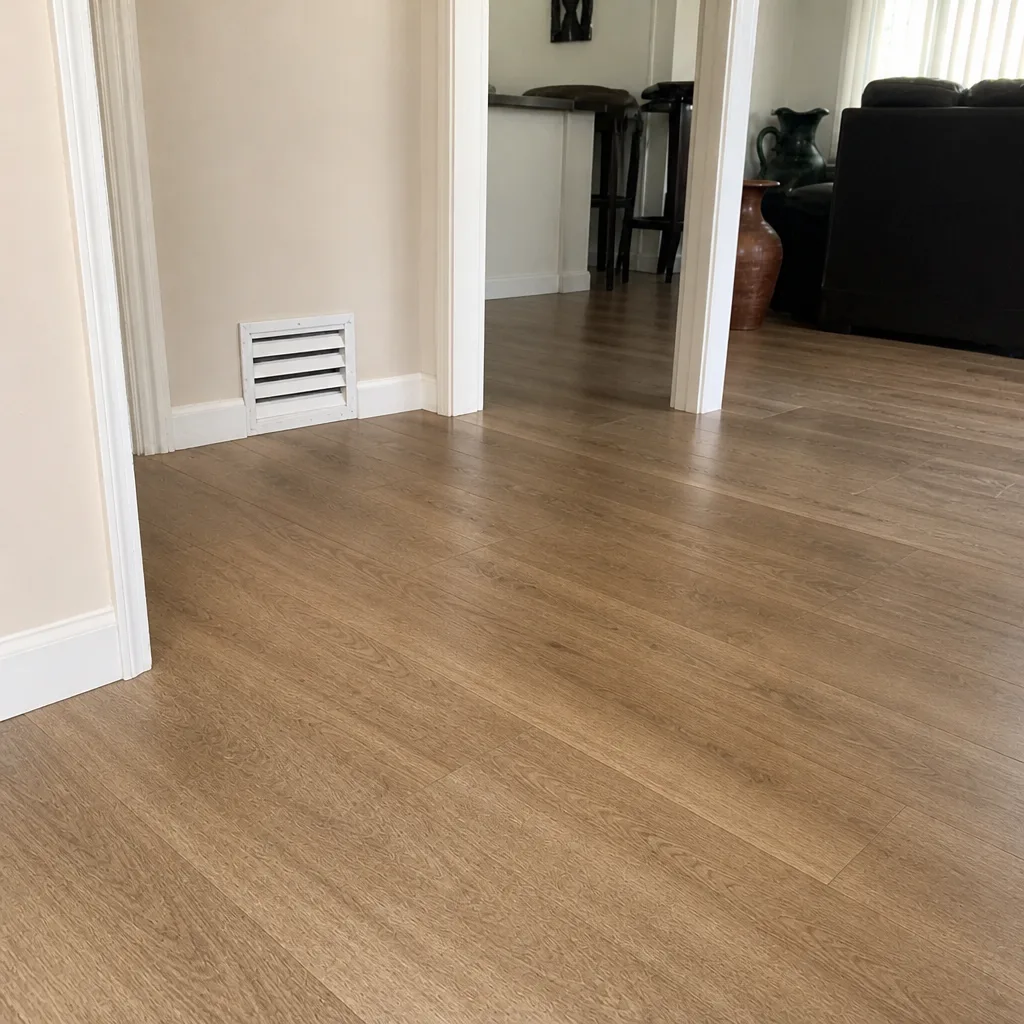 After
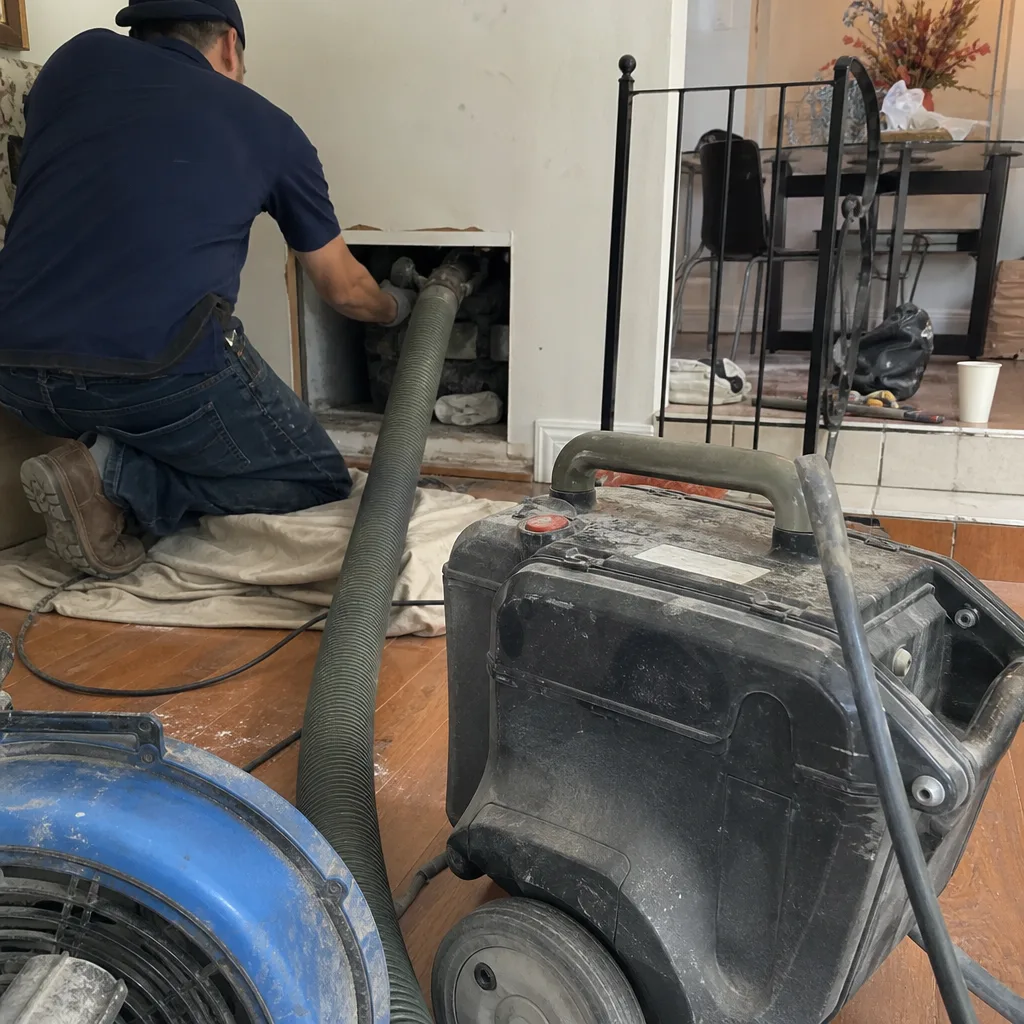 Before
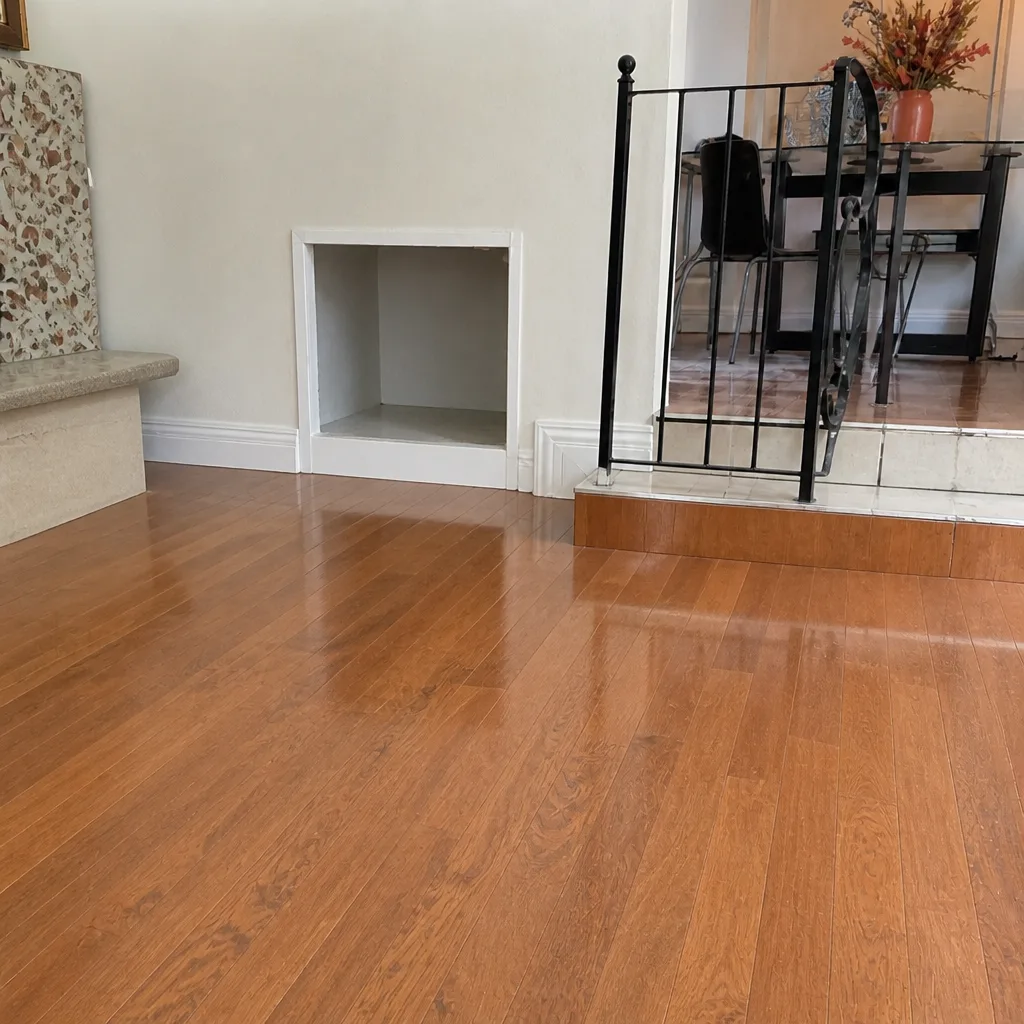 After
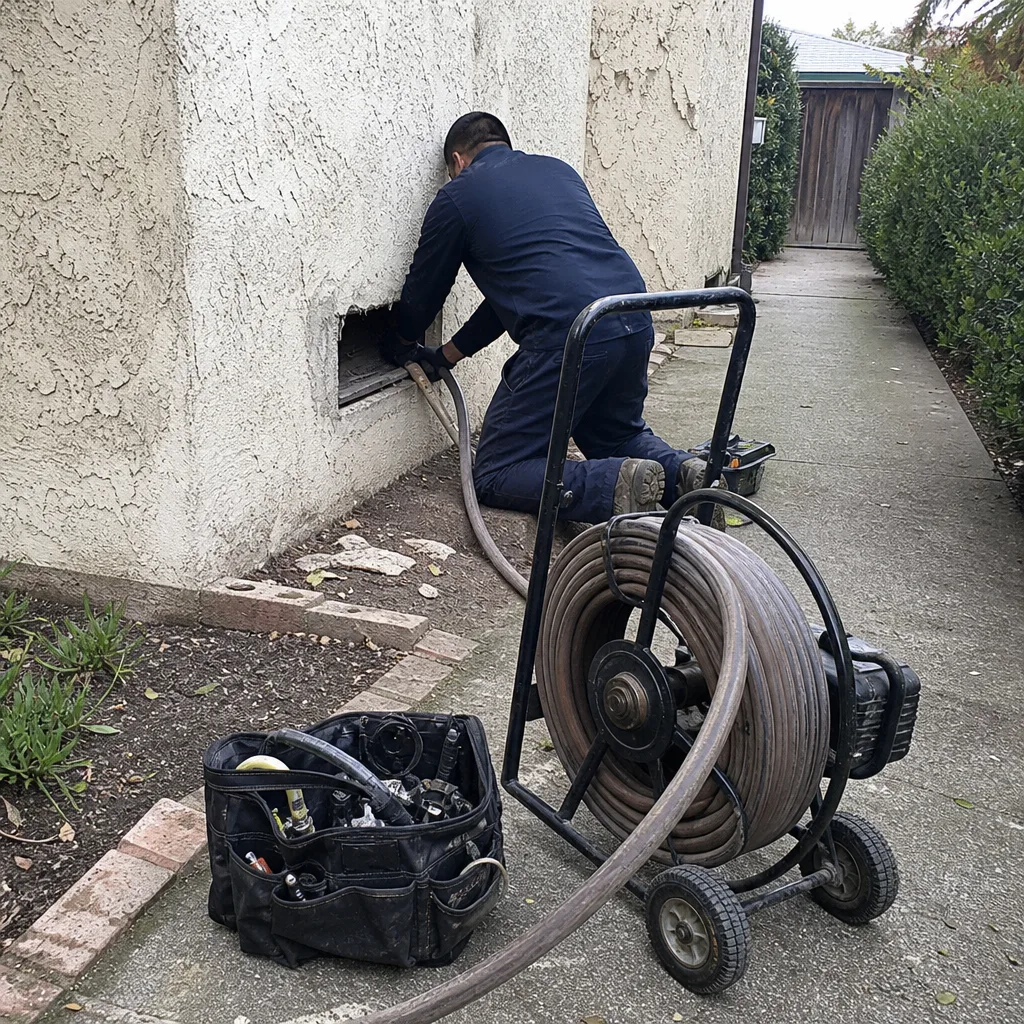 Before
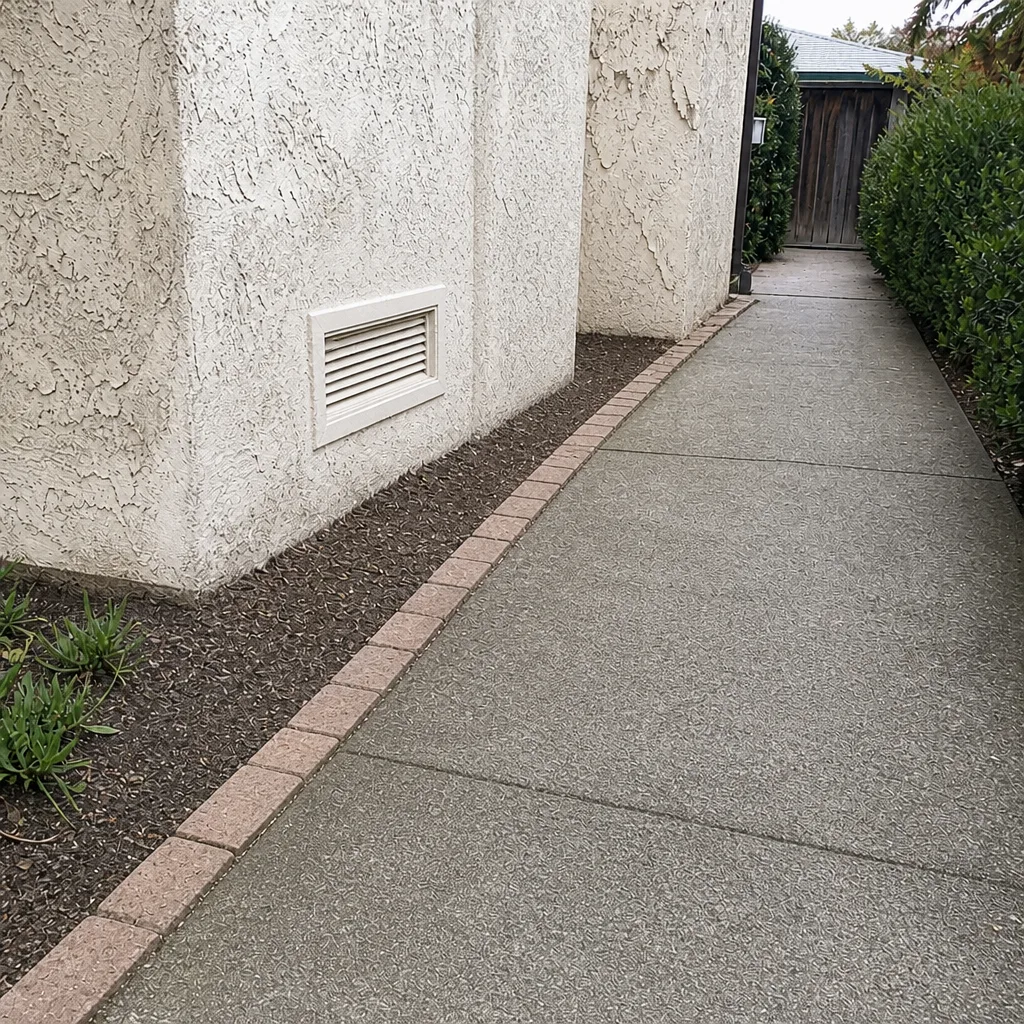 After