Last updated November 4, 2026
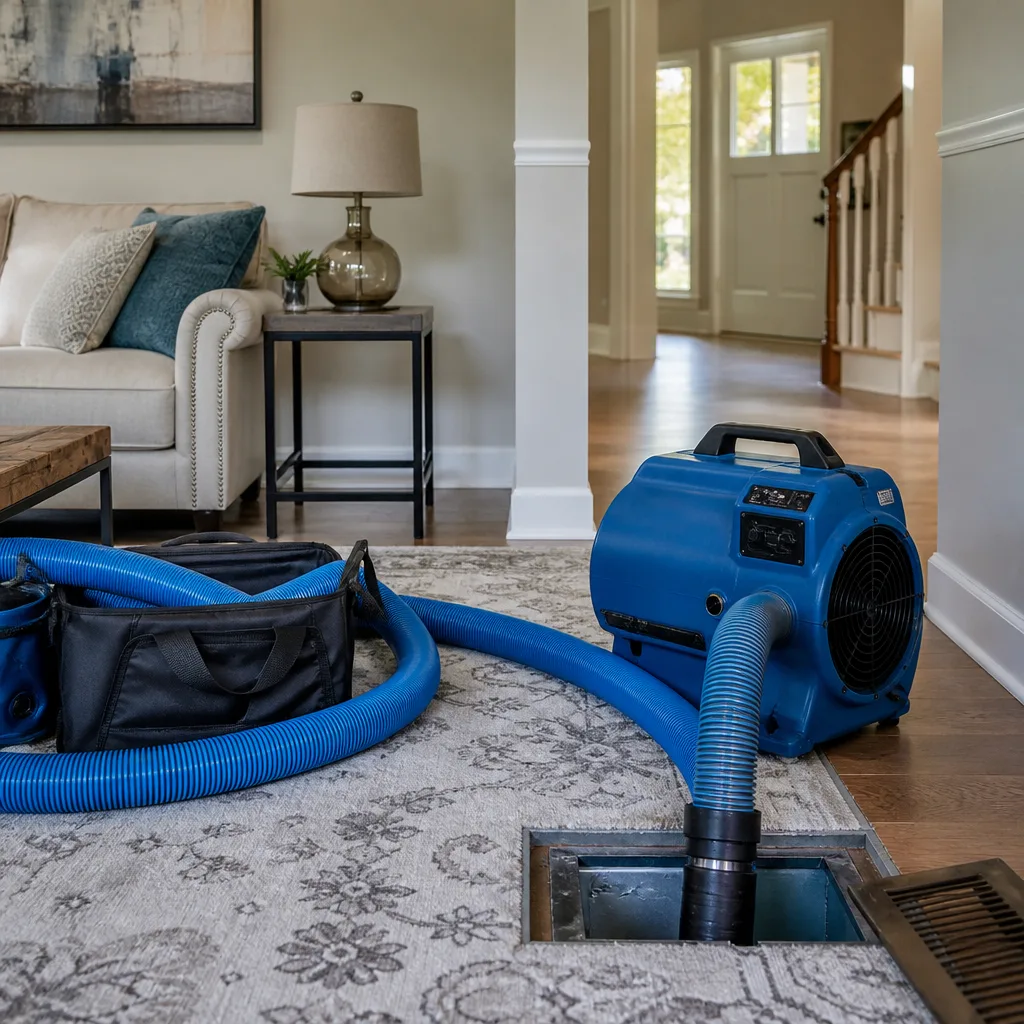 Whole-home duct cleaning
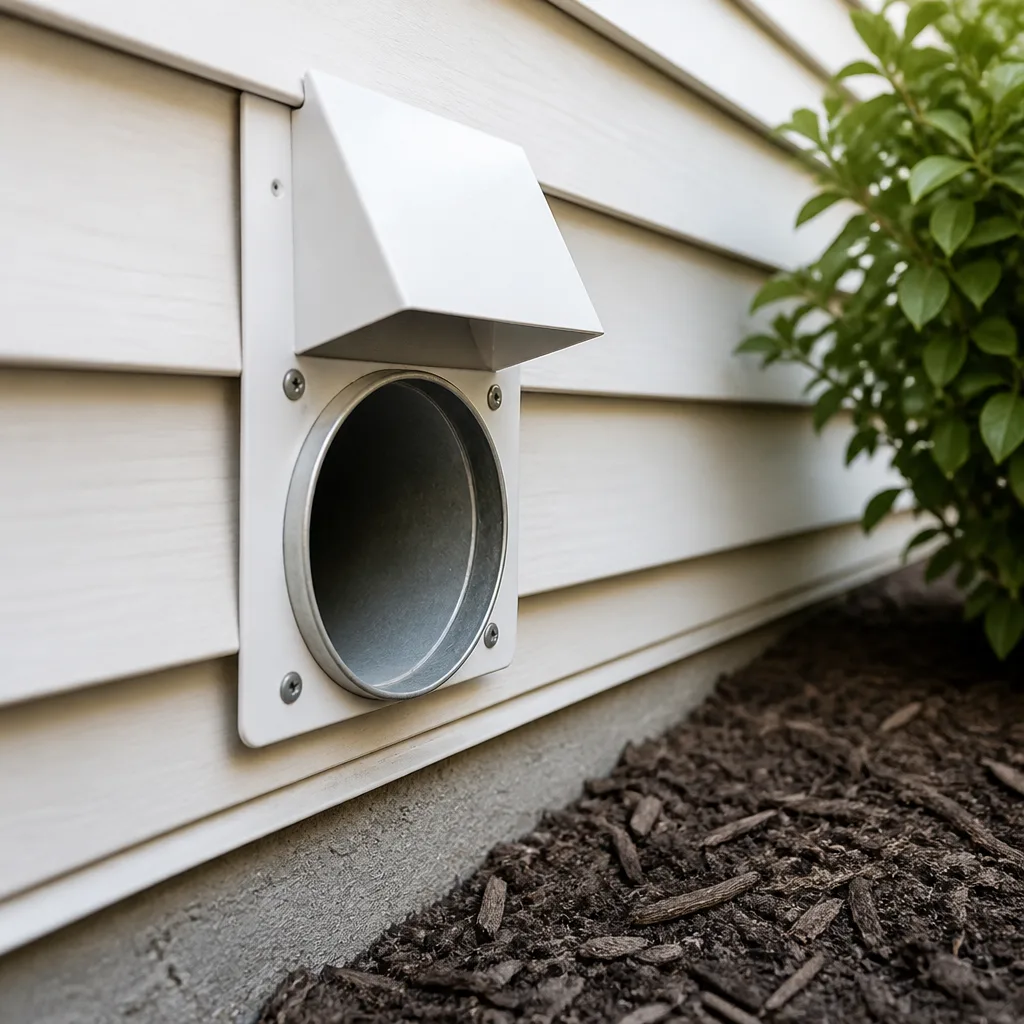 Dryer vent cleaning
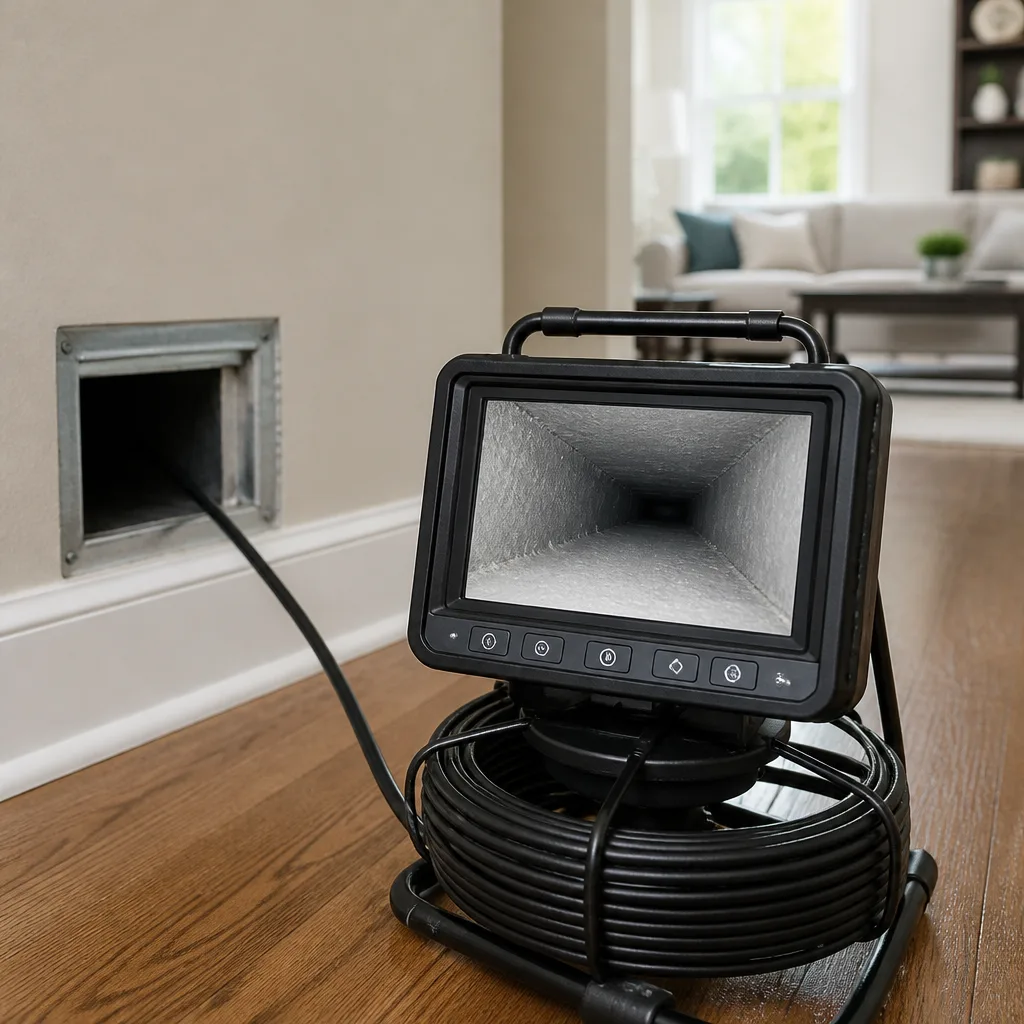 Camera inspection
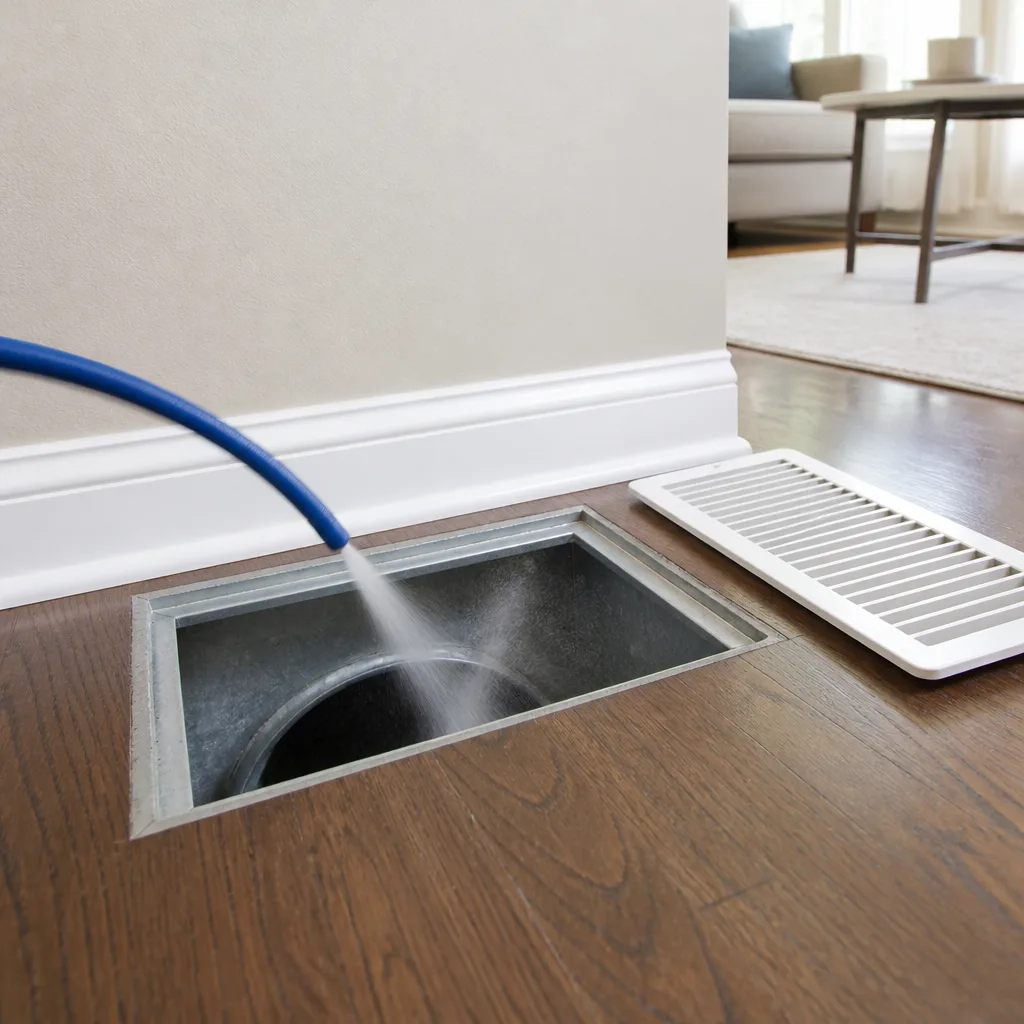 Sanitizing & deodorizing
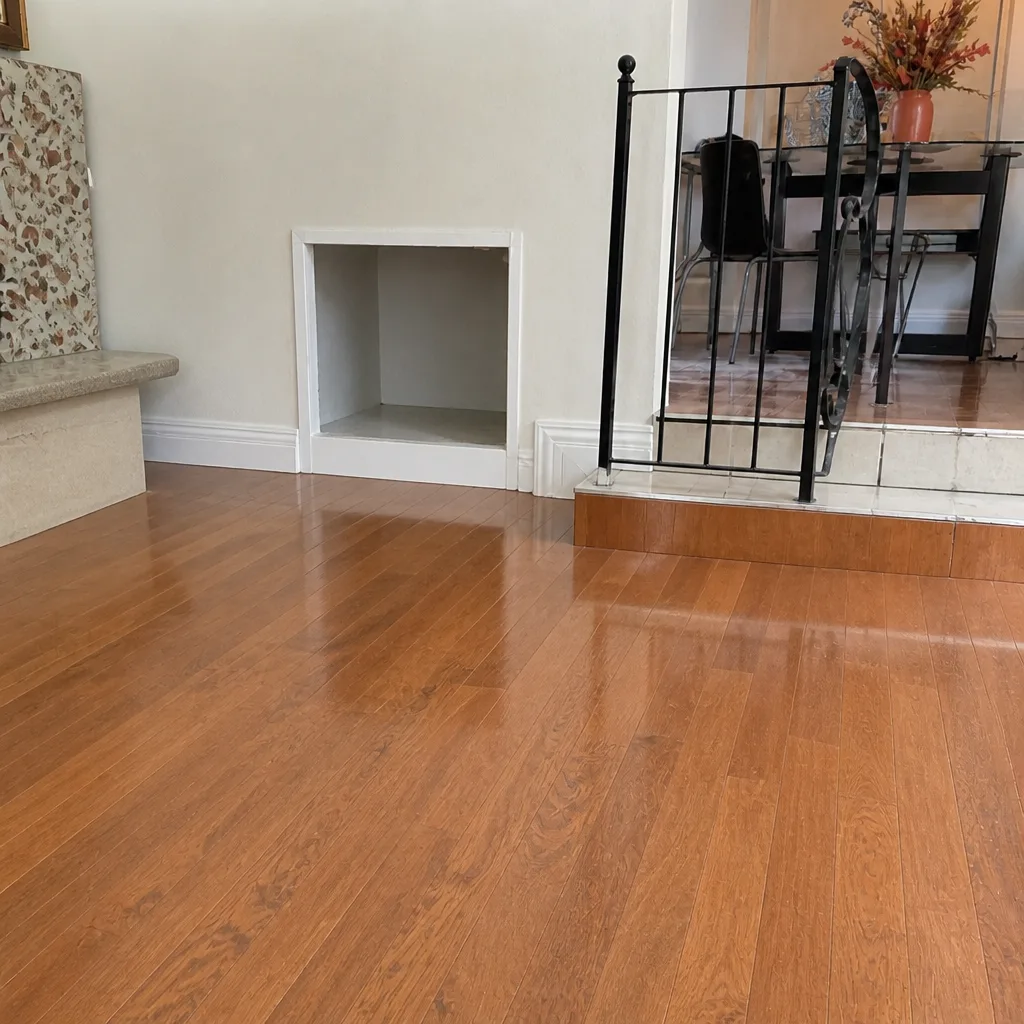
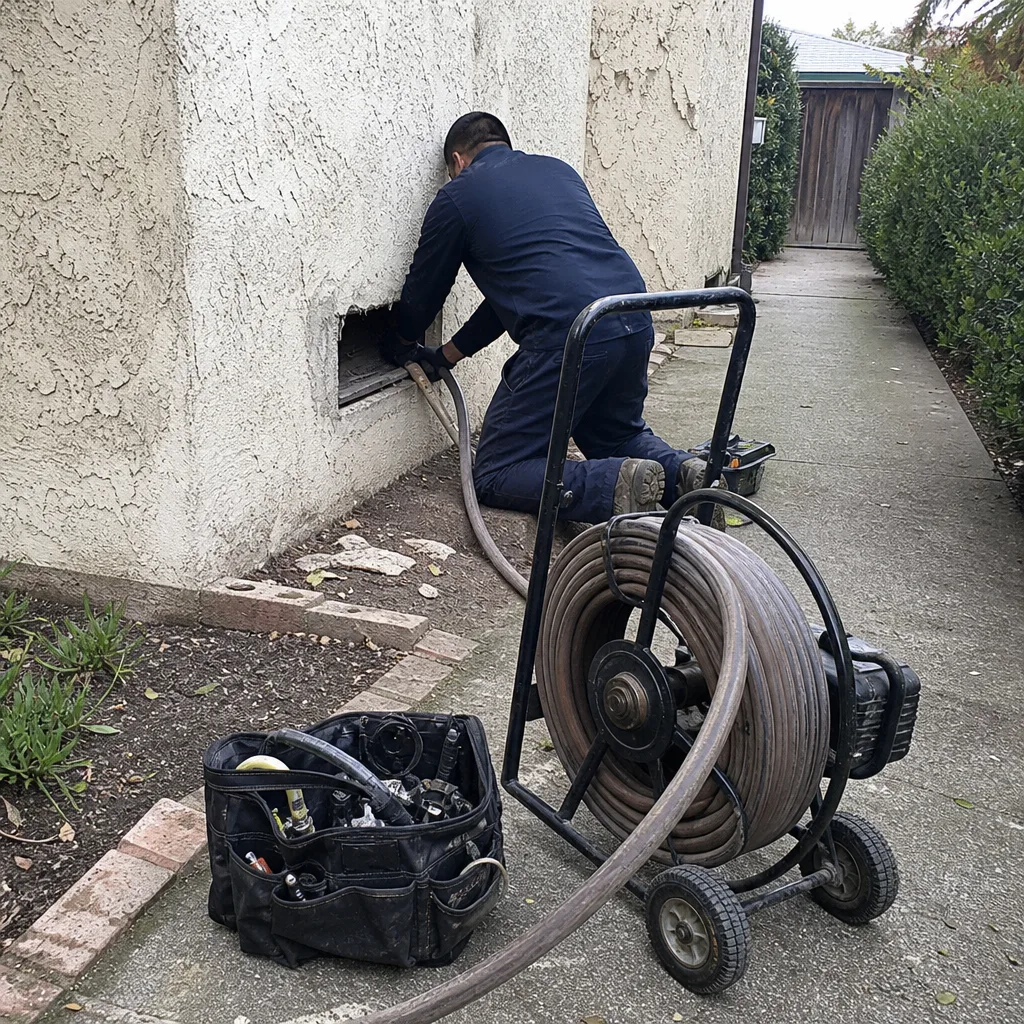
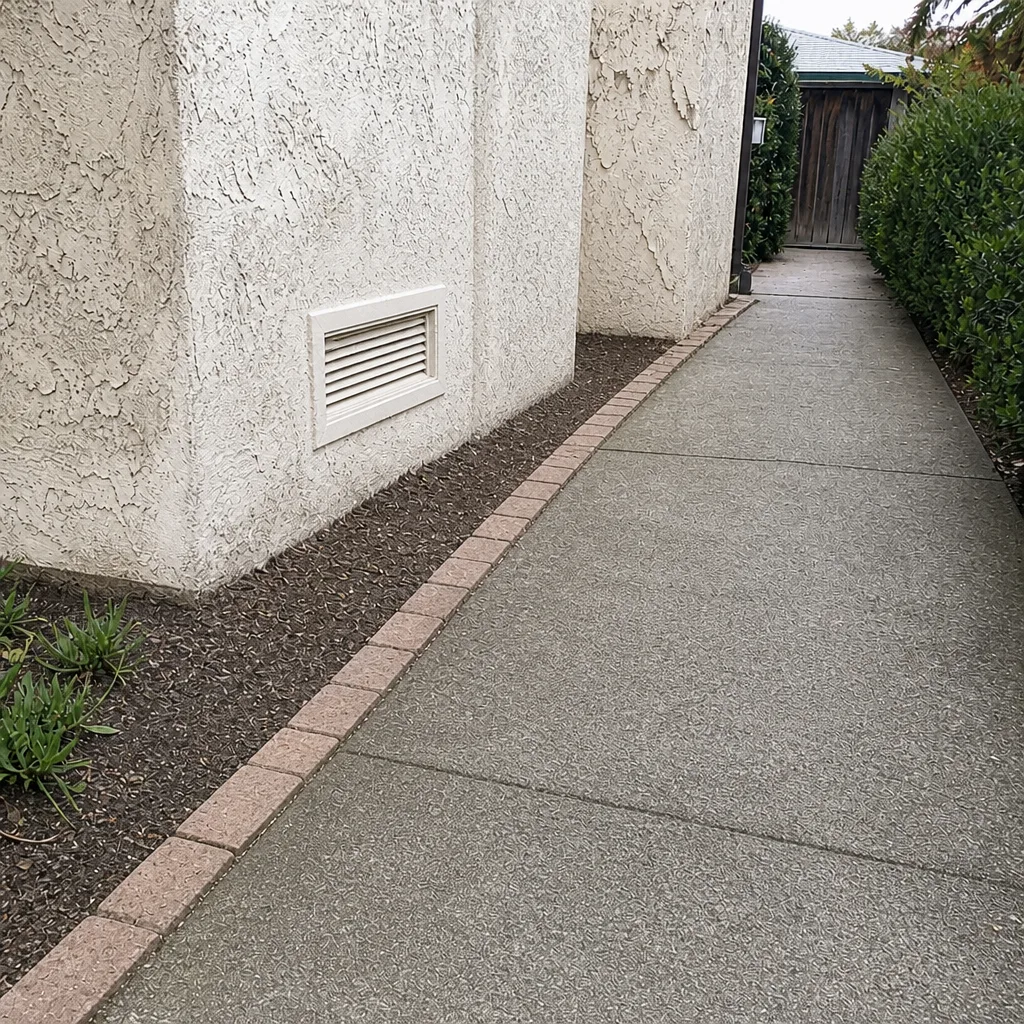
Whole-system duct and dryer vent check with before-and-after photos - you see exactly what came out of your vents
That "$99 whole-house special" is a bait ad - the real number appears once they are in your hallway, or the "clean" is a shop-vac at the register. We photograph the inside of your ducts before and after instead.
Choosing the Right Air Duct Cleaning Brand: A Buyer’s Guide for North San Jose
Most homeowners in North San Jose assume a well-known air duct cleaning brand guarantees a consistent result. That assumption is costing people money and leaving ductwork half-cleaned. The reality in this industry is that a nationally recognized nameplate often has nothing to do with the equipment, training, or technician who actually pulls up to your house. One franchisee may run a professional Rotobrush system with HEPA filtration, while another location of the same brand twenty miles away uses a portable unit that barely reaches the main trunk line. This guide explains what actually matters when comparing air duct cleaning companies, how to spot technical substance behind a familiar logo, and what questions separate a real specialist from a marketing operation.
Styles & brands we work with
- Whole-home duct cleaning
- Dryer vent cleaning
- Camera inspection
- Sanitizing & deodorizing
Quick Answer
The right air duct cleaning brand in North San Jose is not the one with the most recognizable name or the most five-star reviews. It is the company that owns professional rotary-brush and HEPA-vacuum equipment, trains its own technicians on that specific machinery, documents the work with before-and-after photos, and offers duct repair rather than cleaning around problems. When you call, ask what equipment model will be used and whether the technician owns or rents it – the answer tells you more than any brand logo.
Table of Contents
- Why Brand Names Matter Less Than You Think
- The Equipment Question: Rotary Brush vs. Portable Units
- Franchise, National Van Operation, or Local Specialist
- What Online Reviews Actually Tell You About Technical Quality
- Questions to Ask Before You Book
- Red Flags That Signal a Bait-and-Switch Operation
- Why Documentation and Post-Job Deliverables Matter
- Common Mistakes to Avoid
- When to Call a Professional
- Frequently Asked Questions
- The Bottom Line
Why Brand Names Matter Less Than You Think
Air duct cleaning is not like buying a car or a refrigerator. There is no factory that stamps out a standardized product and ships it to every market. What you are actually purchasing is a service performed by a person with a machine, and both the person and the machine vary wildly between companies that share the same logo. A franchise agreement gives someone the right to use a name and maybe a marketing playbook. It does not dictate which extraction unit they buy, whether they invest in HEPA filtration, how many hours of training their technicians receive, or whether they own their equipment at all.
In North San Jose, you will find national franchise locations, regional chains, and locally owned operations all competing for the same homes. Some are legitimate. Some are not. The brand on the side of the van tells you almost nothing about what happens inside your ductwork. What tells you everything is the equipment list, the technician’s training, and the documentation you receive before and after the job.
We work with professional Rotobrush rotary-brush systems and Nikro HEPA-rated vacuums. That matters because these are the same categories of equipment used by industrial and commercial contractors, not consumer-grade shop vacs. A company that invests in this machinery has made a financial commitment to doing the job correctly. A company that rents whatever is available at the local equipment yard has not.
The Equipment Question: Rotary Brush vs. Portable Units
This is the single most important distinction in air duct cleaning, and it is the one almost no homeowner knows to ask about. Yet the answer determines whether your ducts actually get clean or just get disturbed.
Professional air duct cleaning requires two things to work in tandem. First, you need agitation: something physically dislodges the debris that has compacted onto the interior walls of your ductwork. In a properly equipped shop, that is a rotary brush – a spinning brush head driven by a flexible shaft that travels through the duct, scrubbing the walls as it goes. Second, you need extraction: a vacuum powerful enough to create negative pressure and pull the dislodged debris out of the system, through a HEPA filter, and into a containment unit. Without both, you are not cleaning ducts. You are just moving dust around.
Portable units, the kind you might rent from a hardware store or see in the back of a low-budget operation’s van, typically lack the agitation power and the filtration capacity of professional systems. They connect to a single vent and pull a limited amount of air. In most residential duct systems, which branch and turn and narrow, a portable unit simply cannot create enough negative pressure to extract debris from the far reaches of the system.
Here is what a professional setup looks like in practice:
- Rotary brush agitation: Rotobrush systems use a motorized brush head that spins inside the duct, breaking loose debris that has adhered to the metal or flex duct walls. This is the only reliable way to remove the greasy, dust-laden film that accumulates over years of air movement.
- HEPA-rated extraction: Nikro vacuums capture particulates down to 0.3 microns. Without HEPA filtration, fine dust gets blown back into your living space during the cleaning process – which is worse than not cleaning at all.
- Negative pressure containment: The vacuum creates a sealed airflow that pulls debris toward the collection point rather than letting it drift into rooms. This is the difference between cleaning and contaminating.
- Inspection capability: Professional work includes camera inspection before and after. If a company cannot show you the inside of your own ducts, they cannot prove they cleaned them.
When you call a company in North San Jose, do not ask “Do you clean air ducts?” Every company will say yes. Ask “What specific equipment do you use, and do you own it?” A professional answer will name the system. A vague answer means you are dealing with a portable unit or a subcontractor who shows up with whatever was available.
Franchise, National Van Operation, or Local Specialist
There are three basic business models in the air duct cleaning industry, and each one creates different incentives for the people doing the work.
National franchises sell brand recognition. You have heard the name, so you call. The actual work is performed by a local franchisee who paid for the right to use that name. Some franchisees invest heavily in equipment and training. Others are absentee owners running a volume business with rented machinery and rotating crews. The franchise agreement rarely specifies equipment standards, because doing so would reduce the number of people willing to buy in. You cannot tell which kind of franchisee you are getting until you ask the questions in the next section.
National van-based operations are often marketing companies first and service companies second. They generate leads through aggressive online advertising, then subcontract the work to independent operators who may or may not have professional equipment. The person who answers the phone may never have set foot in a mechanical room. The person who shows up may be a different company entirely. This model is structurally designed to separate you from the person doing the work, and that separation is where quality dies.
Locally owned specialists are accountable to the market they serve. A company like Elmwood Air Duct Cleaning exists because homeowners in North San Jose need a specific technical outcome: ducts that are actually clean, documented, and verified. We own our Rotobrush and Nikro equipment, train our technicians on it, and offer dryer vent cleaning and air duct repair alongside cleaning. If we do bad work, our reputation suffers immediately. Nationally, one franchise location can trash a brand’s reputation while another quietly does good work – the name survives, but the local quality varies.
Equipment ownership is a meaningful signal. A company that owns professional-grade machinery has made a capital investment that a subcontractor renting equipment for the day has not. The owner of the equipment treats it well, uses it regularly, and knows how to operate it in the specific conditions of the homes they serve. The renter shows up, figures it out, and leaves.
What Online Reviews Actually Tell You About Technical Quality
Most people read reviews to gauge whether a company is “good” or “bad.” For air duct cleaning, that approach misses the point. A five-star review that says “the technician was friendly and on time” tells you nothing about whether the ducts were actually cleaned. The most useful reviews are the ones that mention specific technical details.
Here is what to look for in reviews of air duct cleaning companies in North San Jose:
- Equipment mentions: Does any review name the equipment used? A reviewer who writes “they used a rotary brush system” or “the vacuum had HEPA filtration” is describing a professional operation. Generic praise about friendliness is not evidence of technical quality.
- Documentation references: Did the reviewer mention before-and-after photos? A company that provides visual proof of the work is confident enough to show it. A company that cleans unverified is not.
- Technician knowledge: Look for reviews that describe the technician explaining what they found, what they did, and why. A knowledgeable technician changes the nature of the interaction from a transaction to a diagnostic service.
- Specific problem mentions: Reviews that mention “they found a disconnected return duct” or “they showed me where the dryer vent was clogged” indicate a company that actually inspects rather than just runs a vacuum.
- Absence of upsell complaints: A pattern of reviews mentioning surprise charges or bait-and-switch pricing is a massive red flag. Legitimate companies set the price before work begins.
Ignore the star rating as a primary signal. Focus on the content of the reviews. Three reviews that mention equipment and documentation are worth more than fifty that say “nice people, good job.”
Questions to Ask Before You Book
You have the right to know exactly what will happen in your home before you hand over any money. These questions will separate the specialists from the marketing operations in North San Jose:
- “What specific equipment will you use on my ducts?” The answer should name a system. “Professional rotary brush with HEPA vacuum” is a real answer. “We have all the right equipment” is not.
- “Do you own your equipment or rent it?” Ownership signals investment and familiarity. Rental signals a part-time operation.
- “Does this price cover the entire system, or is it per vent?” Per-vent pricing is the classic bait-and-switch model. A low advertised price for “up to 10 vents” becomes a large invoice when the technician finds 18. Legitimate companies quote the whole system.
- “Will you show me before-and-after photos of my own ducts?” If the answer is anything but yes, walk away. Documentation is the only way to verify the work.
- “Do you repair ductwork, or just clean it?” This is a revealing question. A company that only cleans will clean around a disconnected section or a damaged joint without telling you, because they cannot fix it. A company that offers air duct cleaning and repair can diagnose and resolve the problem in one visit. We repair what we find, not just clean around it.
- “Who is actually doing the work?” Are they employees of the company you called, or subcontractors? Subcontracting is not automatically bad, but you should know who is in your home and what equipment they are bringing.
You will notice that none of these questions are about the brand name. That is intentional. The brand is the least informative thing about the service.
Red Flags That Signal a Bait-and-Switch Operation
The air duct cleaning industry has a well-earned reputation problem, and it is not because the service is unnecessary. It is because a certain segment of the industry operates on a model designed to get inside your home with a low price and then extract as much as possible once the van is parked.
Here are the specific patterns to watch for:
- Extremely low advertised prices: A whole-house air duct cleaning in North San Jose is not a $49 job. If the price seems too good to be true, the company is planning to make up the difference inside your home.
- Per-vent pricing structures: Any company that quotes per vent is setting up a situation where the final price depends on how many vents they count once they arrive. You will not know the real price until the technician is already in your house.
- Unwillingness to answer equipment questions: A company that will not tell you what machine they use is hiding something. Usually it is a portable unit or a subcontractor arrangement.
- No mention of inspection or documentation: If there is no camera inspection and no before-and-after photos, there is no proof the work happened. The company is selling you a feeling, not a service.
- Pressure to add services you did not request: Air duct cleaning should be a defined scope of work. If the technician suddenly finds “mold” and “needs” to add a treatment, get a second opinion. Mold testing and remediation is a separate field, and a legitimate technician will document findings and let you decide.
The temptation of a cheap price is understandable. But a cheap air duct cleaning that does not actually clean your ducts is not cheap. It is a donation to a marketing company.
Why Documentation and Post-Job Deliverables Matter
You cannot see inside your own ductwork without a camera. That is the fundamental asymmetry in this industry: the company knows whether the job was done correctly, and you do not. The only way to close that gap is documentation.
A professional air duct cleaning company in North San Jose should provide, at minimum:
- Pre-cleaning camera inspection: Photographs or video of the inside of your ducts before work begins. This establishes the baseline condition and identifies any pre-existing damage, disconnections, or contamination.
- Post-cleaning camera inspection: Photographs or video of the same locations after cleaning. This is your verification. If the before and after look the same, the job was not done.
- Written summary of findings: What was found, what was cleaned, what was repaired, and any recommendations for future maintenance. This should be specific, not generic.
- Full-system pricing in writing: The price you agreed to before the work began should be the price on the final invoice. No surprises.
Companies that resist documentation are not being modest. They are avoiding accountability. A company that is proud of its work wants you to see it. See what is inside your ducts before and after – that is the standard.
For homeowners in North San Jose with whole-home filtration systems, documentation matters even more. If you have invested in an Aprilaire or Honeywell air-quality system, the ductwork feeding it needs to be genuinely clean for the filtration to work properly. A HEPA vacuum that captures particulates rather than recirculating them is not a luxury; it is the minimum standard for homes with elevated air-quality needs. We work with Aprilaire and Honeywell systems regularly and can speak credibly to how duct condition affects system performance.
Common Mistakes to Avoid
- Choosing by brand recognition alone. As covered above, the same brand name can mean a professional operation or a rented portable unit. The name is not the service.
- Prioritizing the lowest price. In North San Jose, the median home has ductwork that has been accumulating debris for a decade or more. A cheap cleaning that does not agitate and extract properly leaves the debris in place and charges you for the privilege.
- Ignoring the equipment question. Not asking about agitation and HEPA extraction means you are flying blind. The difference between a rotary brush and a portable vacuum is the difference between clean ducts and disturbed dust.
- Skipping the documentation review. If you book a company that does not provide before-and-after photos, you have no way to verify the work. You are paying on faith, and in this industry, faith is expensive.
- Using a company that cannot repair ductwork. Cleaning around a problem does not fix it. If your ductwork has a disconnected joint, a loose return, or a damaged section, a cleaning-only company will leave it in place and you will continue losing conditioned air through the same gap.
- Hiring a company whose primary business is something else. A carpet cleaning company that also “does ducts” has a different equipment profile and a different set of incentives than a duct-focused specialist. The machinery required for carpet extraction and the machinery required for duct agitation and HEPA capture are not the same.
- Not asking about dryer vent scope. If you are investing in your home’s ventilation system, the dryer vent is part of it. A clogged dryer vent is a fire risk, and a company that treats it as an afterthought is not seeing the whole picture. Dryer vent cleaning is a standalone safety service, not an upsell.
When to Call a Professional
You should call a professional air duct cleaning company when you notice dust accumulating on surfaces despite regular cleaning, when your energy bills have crept up without a clear explanation, when anyone in the home has allergy or respiratory symptoms that worsen indoors, or when you have not had the ducts inspected in several years. Professional attention is also warranted after any renovation that generated drywall dust or other fine particulates, and any time you suspect vermin may have left debris in the system. The equipment required to do the job properly is not available at a rental counter, and the skills required to operate it safely are not obvious from a video. North San Jose homeowners should treat duct cleaning the way they treat electrical work or plumbing: as a trade that rewards professional equipment and trained judgment. Elmwood Air Duct Cleaning offers free estimates in North San Jose, call (855) 506-8636. We answer 24/7. Fast dispatch from 7am to 7pm, Sunday through Friday.
Frequently Asked Questions
Air duct cleaning in North San Jose typically ranges from $350 to $700 for a whole-home system, depending on the size of the home, the number of returns, the condition of the ductwork, and whether any repairs are needed. That range assumes a professional rotary-brush system with HEPA extraction and includes inspection and documentation. Companies advertising prices below that range are usually operating on a per-vent model or planning to upsell aggressively once on site. The written estimate sets the final price before work begins. Call (855) 506-8636 for an exact quote, estimates are free.
The only reliable way to know the work was done is to receive before-and-after camera documentation of your own ductwork. A professional company will inspect the system with a camera before cleaning, perform the work, then inspect again and show you the comparison. If a company cannot or will not provide this, you have no way to verify the service and should choose a different provider. We provide pre-cleaning and post-cleaning camera inspection on every job.
Cheaper quotes usually reflect cheaper equipment and a different business model. A portable vacuum unit connected to one vent cannot agitate the duct walls or extract debris from the far reaches of the system, so the labor is faster and the result is worse. Some companies use a low advertised price as a lead-generation tactic, then convert to a per-vent or add-on pricing model once the technician arrives. A legitimate whole-system price for professional equipment and trained labor is higher because the work is fundamentally different. The written estimate should reflect the actual scope, not a teaser. Call (855) 506-8636 for a real number.
Most homes in North San Jose benefit from professional air duct cleaning every 3 to 5 years, with more frequent service if the home has pets, recent renovation work, or occupants with respiratory sensitivities. The valley climate produces long dry spells that keep dust airborne, and homes with older HVAC systems tend to accumulate debris faster. A camera inspection during a routine service can establish the right interval for your specific home. Trust the inspection, not a calendar.
Air duct cleaning can help with allergies when the ducts have accumulated significant dust, pollen, or pet dander that is recirculating through the home. The cleaning removes the reservoir of particulate matter from the system, and a HEPA extraction system ensures that removed debris is captured rather than redistributed. However, duct cleaning is not a substitute for source control or filtration. Homes with persistent allergy issues should combine professional duct cleaning with improved filtration, such as whole-home systems from Aprilaire or Honeywell, to see meaningful results.
An HVAC contractor installs, maintains, and repairs heating and cooling equipment. An air duct cleaning specialist focuses on the interior condition of the ductwork itself, using rotary-brush agitation and HEPA extraction to remove accumulated debris. Some HVAC contractors offer duct cleaning as a secondary service, but they may not invest in professional extraction equipment. A duct-focused specialist is more likely to own the right machinery and to have technicians trained specifically on duct inspection, agitation, and documentation. The ideal situation is a specialist who can also diagnose and repair ductwork issues uncovered during cleaning, which is the model we follow at Elmwood Air Duct Cleaning.
Yes, and that is the practical option for most North San Jose homeowners. The dryer vent is part of the same ventilation ecosystem as the ductwork, and a company that offers both services can assess the entire system in one visit. Dryer vent cleaning is safety-critical because lint accumulation is a leading cause of residential dryer fires, and it should be treated as a defined service with its own scope, not an add-on afterthought. We offer dryer vent cleaning as a standalone service, consistent with NFPA guidance on dryer-fire prevention.
If you believe a previous cleaning was inadequate, request the before-and-after documentation from the original company. If they cannot provide it, that is a meaningful finding on its own. Then schedule a camera inspection with a professional company to assess the current condition of the system. The inspection will show whether debris remains on the duct walls, whether the system was properly agitated, and whether any repairs are needed. You should not need to pay for a second full cleaning without first seeing evidence of what the first one did or did not do. Call (855) 506-8636 for an inspection and honest assessment.
The Bottom Line
Choosing the right air duct cleaning company in North San Jose is not a brand loyalty exercise. It is an equipment, training, and documentation decision. The name on the van matters less than the machine in it and the person operating it. Ask about rotary-brush agitation and HEPA extraction. Ask about before-and-after photos. Ask whether the company owns its equipment or rents it. Ask whether they can repair what they find. A company that answers those questions directly and professionally is the one worth hiring, regardless of its logo. Professional-grade equipment, not portable shop vacs, is the real standard. Better air starts at the source, and that source is the ductwork running through your home.
For a free estimate in North San Jose, call Elmwood Air Duct Cleaning at (855) 506-8636. We answer 24/7. Fast dispatch from 7am to 7pm, Sunday through Friday.
Written by the team at Elmwood Air Duct Cleaning, serving North San Jose since 2018.
See the difference
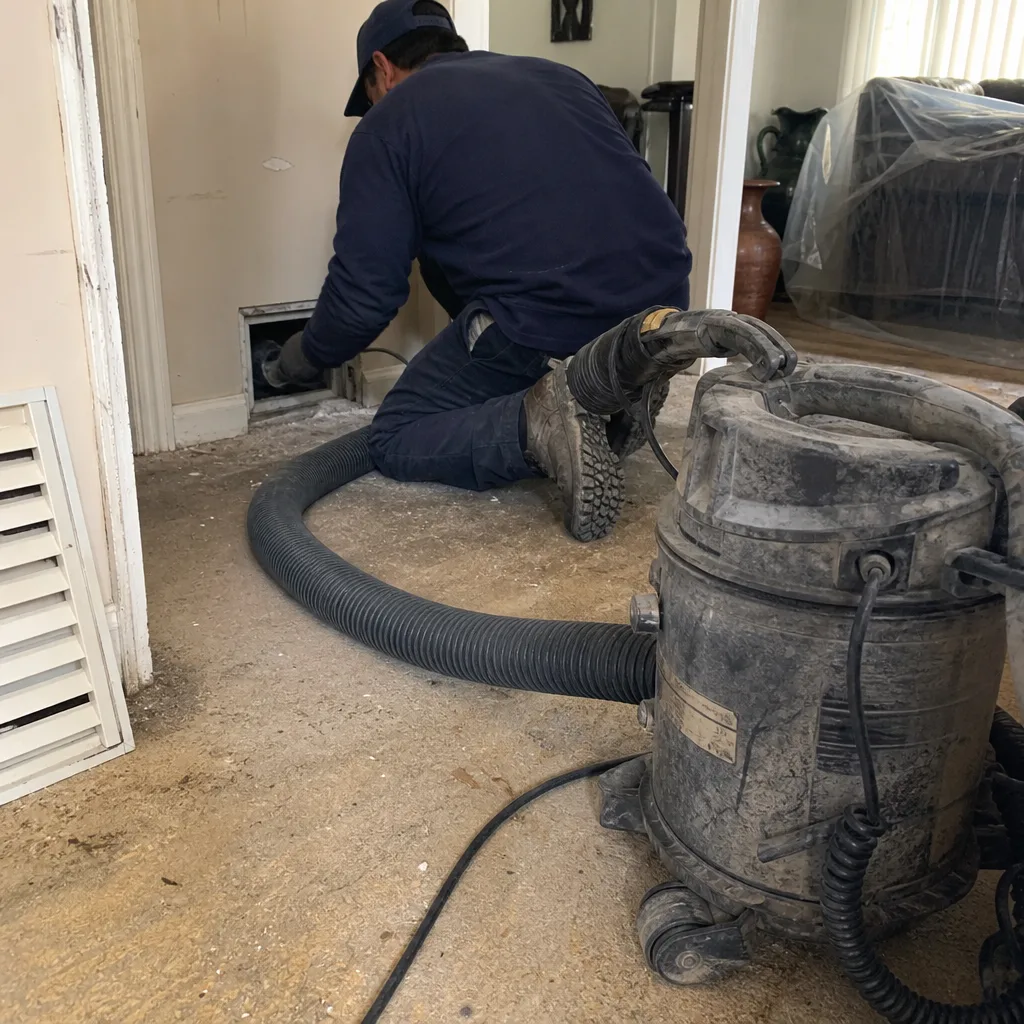 Before
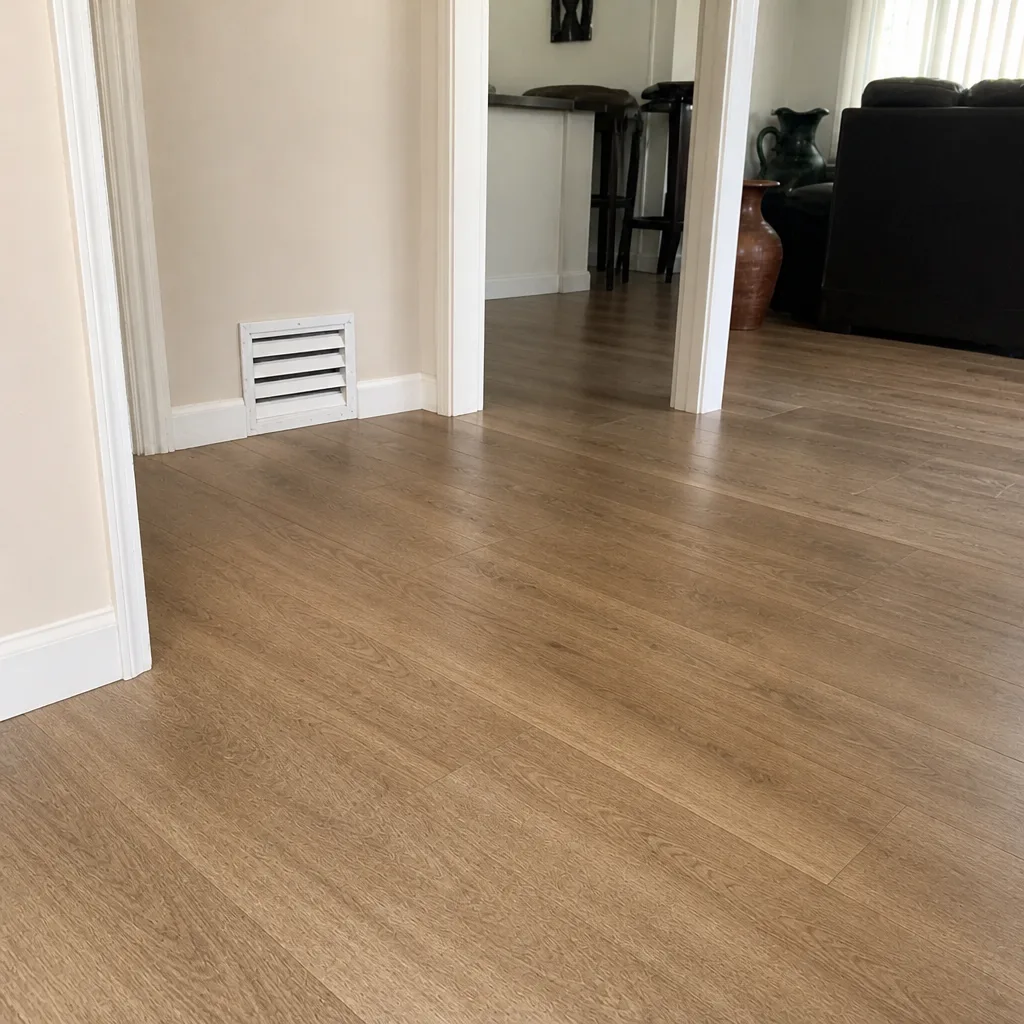 After
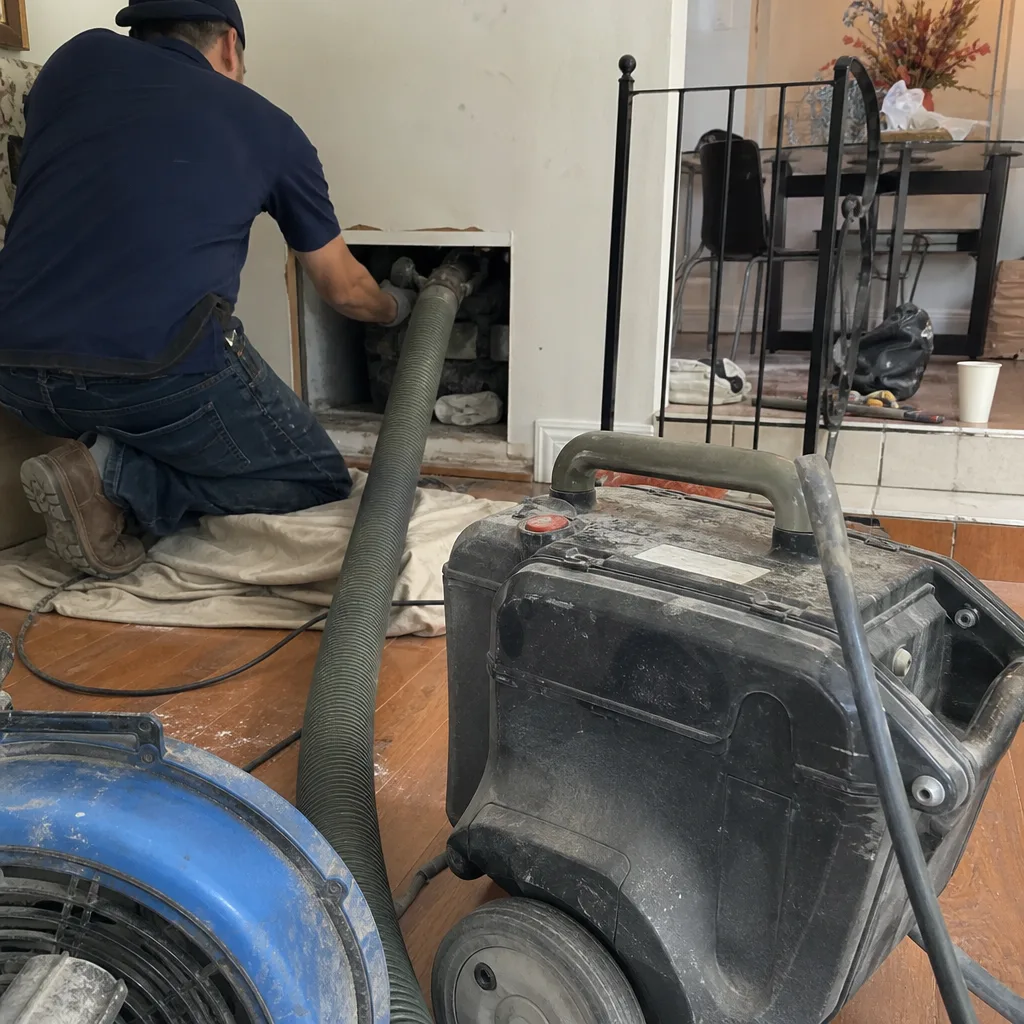 Before
 After
 Before
 After